


Smooth Surface Air & Water Hose: High-Flow, Durable, Versatile
In demanding industrial environments where reliability, efficiency, and safety are paramount, the selection of appropriate fluid transfer solutions is critical. Among the vast array of industrial hoses, the Smooth surface air&water hose stands out as a versatile and high-performance component. Engineered for superior flow characteristics and exceptional durability, these hoses are designed to handle both compressed air and various water-based fluids across a multitude of applications. This comprehensive guide delves into the technical intricacies, market dynamics, and operational advantages of these essential industrial components, providing B2B decision-makers with the insights needed for informed procurement.
Industry Trends and Market Dynamics
The global industrial hose market is experiencing steady growth, driven by increasing industrialization, infrastructure development, and stringent safety regulations. Within this market, the segment for air and water hoses, particularly those with specialized characteristics like a smooth surface, is expanding due to their enhanced performance attributes. Key trends include a rising demand for hoses with superior abrasion resistance, improved flexibility at various temperatures, and compliance with international environmental and safety standards such as ISO 14001 and OSHA. The adoption of advanced polymer science and composite materials is leading to lighter, yet more robust, hose constructions. Furthermore, the push towards energy efficiency in manufacturing operations fuels the demand for hoses that minimize pressure drop and optimize fluid transfer, directly benefiting from the design principles inherent in the Smooth surface air&water hose.
Geographically, emerging economies in Asia-Pacific and Latin America are showing significant growth due to rapid industrial expansion in sectors like construction, mining, and general manufacturing. In mature markets, the focus is on replacement demand and technological upgrades, with an emphasis on products offering extended service life and reduced maintenance. The emphasis on worker safety also mandates the use of hoses that can withstand high pressures and abrasive conditions without premature failure, underscoring the value proposition of meticulously engineered smooth-surface solutions.
Technical Specifications and Construction
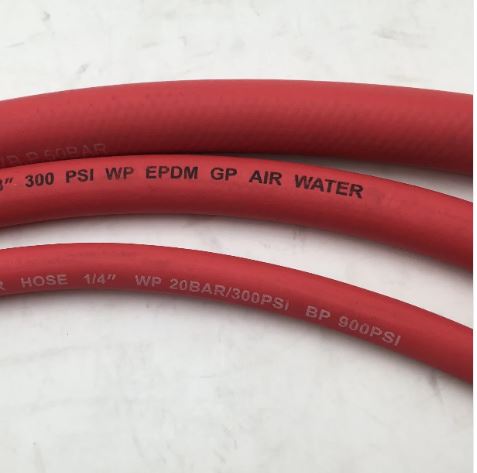
The design of a Smooth surface air&water hose is optimized for hydraulic efficiency and longevity. Typically, these hoses comprise multiple layers, each serving a specific function to ensure structural integrity and operational performance under diverse conditions.
Core Components:
- Inner Tube: Constructed from high-quality synthetic rubber compounds, often EPDM (Ethylene Propylene Diene Monomer) or SBR (Styrene Butadiene Rubber), selected for its excellent resistance to water, air, non-conductive chemicals, and ozone. The smooth bore minimizes friction, reducing pressure drop and ensuring efficient fluid flow.
- Reinforcement: A critical layer providing the hose's pressure-handling capability. This typically consists of high-tensile synthetic textile braids or spirals. Multiple plies enhance burst strength and provide dimensional stability under pulsating pressures. For applications requiring higher pressure ratings, spiraled steel wire reinforcement might be incorporated.
- Outer Cover: Made from abrasion-resistant EPDM or weather-resistant synthetic rubber. The smooth exterior finish is not only aesthetically pleasing but also prevents debris accumulation, simplifies cleaning, and reduces drag in crowded environments. It also offers enhanced resistance to ozone, UV radiation, and general weathering, prolonging the hose's service life in outdoor or harsh conditions.
Key Performance Parameters:
Understanding the following parameters is essential for selecting the correct hose for specific operational requirements:
- Working Pressure: The maximum continuous pressure the hose can safely withstand. This is typically rated with a safety factor of 3:1 or 4:1 against burst pressure.
- Burst Pressure: The pressure at which the hose is expected to fail.
- Temperature Range: The minimum and maximum temperatures at which the hose can operate without degradation of materials or performance. Typical ranges are from -40°C to +95°C (-40°F to +200°F).
- Bend Radius: The minimum radius to which a hose can be bent without kinking or sustaining permanent damage. Critical for installation in confined spaces.
- Certifications: Compliance with international standards such as ISO 1402, EN ISO 2398 for rubber hoses for air and water, or specific industry standards like MSHA (Mine Safety and Health Administration) for mining applications.
Typical Product Specification Table:
Application Scenarios and Target Industries
The robust construction and versatility of the Smooth surface air&water hose make it indispensable across a broad spectrum of industrial applications. Its ability to efficiently convey both air and water, often interchangeably, provides significant operational flexibility.
Target Industries:
- Petrochemical Industry: Used for general utility air and water lines, cooling systems, and process water transfer where non-oily media are involved. The corrosion resistance of the outer cover is crucial in environments exposed to chemical fumes or splashes.
- Metallurgy and Steel Mills: Essential for cooling processes, dust suppression, and operating pneumatic tools. The smooth surface facilitates easy handling around heavy machinery, minimizing snagging.
- Construction and Mining: Widely employed for air compressors, rock drills, pneumatic tools, and water for dust control, dewatering, and washdown applications. Its robust design withstands harsh site conditions.
- Water Supply & Drainage: For industrial water transfer, discharge, and general utility purposes in various plants and facilities.
- Manufacturing and Assembly Plants: Supplying compressed air to pneumatic machinery, assembly lines, and workshops, as well as for general washdown and utility water.
- Agriculture: For irrigation, spraying, and general water transfer needs on farms and agricultural facilities.
Typical Application Scenarios:
- Pneumatic Tool Operation: Providing consistent and reliable air supply to air hammers, grinders, impact wrenches, and paint sprayers, ensuring uninterrupted workflow and energy efficiency due to minimal pressure loss.
- Industrial Washdown: For cleaning equipment, floors, and work areas with water, often at moderate pressures. The smooth cover is easy to clean and resists bacterial growth.
- Cooling Systems: Circulating non-potable water for cooling machinery, molds, or other industrial processes, where corrosion resistance of the inner tube is crucial.
- Air Compressor Lines: Connecting air compressors to distribution manifolds or point-of-use stations, guaranteeing efficient air delivery.
- Temporary Water Transfer: For construction sites, events, or emergency water supply, offering quick deployment and robust performance.
In these scenarios, the smooth inner tube ensures optimal flow rates and minimizes friction losses, directly translating to energy savings by reducing the load on compressors and pumps. The robust outer cover ensures prolonged service life, resisting wear and tear from dragging, impacts, and environmental exposure, thereby reducing replacement costs and downtime.
Technical Advantages of a Smooth Surface Air & Water Hose
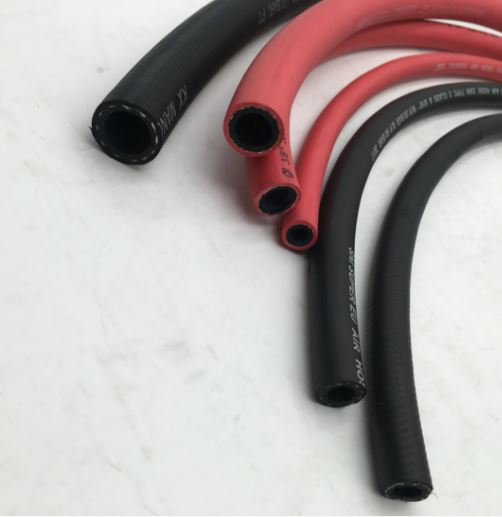
The design and material composition of a Smooth surface air&water hose confer several distinct advantages that contribute to enhanced operational efficiency, reduced maintenance, and superior longevity compared to conventional corrugated or ribbed hoses.
- Optimized Flow Characteristics & Energy Saving: The primary advantage of a smooth inner bore is significantly reduced friction. This minimizes pressure drop across the hose length, ensuring that compressed air or water reaches the point of use with minimal energy loss. For air compressors, this translates directly into reduced power consumption and lower operational costs. For fluid transfer, it means more efficient delivery and less strain on pumps.
- Enhanced Durability and Abrasion Resistance: The smooth outer cover is specifically engineered to resist abrasion, cuts, and snags, which are common causes of failure for hoses in rugged industrial environments. Unlike corrugated covers that can trap dirt and wear more quickly on ridges, the smooth surface distributes external forces more evenly, extending service life.
- Superior Weathering and Ozone Resistance: Utilizing advanced synthetic rubber compounds like EPDM for both the inner tube and outer cover provides excellent resistance to environmental factors such as UV radiation, ozone, and general weathering. This is crucial for hoses used outdoors or in areas with high ozone levels, preventing premature cracking and material degradation.
- Ease of Cleaning and Maintenance: The smooth exterior surface prevents the accumulation of dirt, grime, and other contaminants, making cleaning simple and efficient. This is particularly important in hygiene-sensitive industries or where hoses need to be maintained regularly to prevent cross-contamination or operational issues.
- Flexibility and Handling: Despite their robust construction, these hoses are designed to offer good flexibility, allowing for easier routing and handling in complex industrial setups. This reduces operator fatigue and simplifies installation, particularly in confined spaces or where frequent movement is required.
- Corrosion Resistance: The synthetic rubber compounds used for the inner tube are highly resistant to water-based fluids and mild industrial chemicals, ensuring the integrity of the conveyed media and the longevity of the hose itself.
These combined advantages lead to a lower total cost of ownership (TCO) over the product's service life, making them a preferred choice for discerning industrial buyers.
Manufacturing Process of Smooth Surface Air & Water Hose
The production of a high-quality Smooth surface air&water hose involves a sophisticated multi-stage manufacturing process, combining advanced material science with precision engineering. Adherence to strict quality control measures and international standards (e.g., ISO 9001) is paramount at every step.
Process Flow Overview:
The manufacturing process typically follows these key steps, ensuring optimal material integration and structural integrity:
-
Material Preparation:
- Rubber Compounding: Raw synthetic rubbers (EPDM, SBR) are mixed with various additives (fillers, plasticizers, curing agents, antioxidants) in internal mixers to create specific compounds for the inner tube and outer cover, each optimized for flexibility, abrasion resistance, and chemical compatibility. This is a critical step, ensuring the final product meets specified hardness, tensile strength, and temperature resistance.
- Textile Preparation: High-tensile synthetic yarns (e.g., polyester, aramid) are prepared for braiding or spiraling, providing the necessary reinforcement.
-
Inner Tube Extrusion:
- The compounded rubber for the inner tube is fed into an extruder. Under heat and pressure, it is forced through a die to form a continuous, seamless, and precisely dimensioned smooth tube. This tube serves as the conduit for air or water and must be free of defects to prevent leaks and ensure optimal flow.
-
Reinforcement Application (Braiding/Spiraling):
- The extruded inner tube is then fed into braiding or spiraling machines. These machines apply layers of synthetic textile yarn (often polyester) around the inner tube in specific patterns (e.g., cross-woven or spiraled). The number of plies and the angle of the reinforcement determine the hose's working pressure and flexibility. For example, two or four textile braids are common for air and water hoses.
-
Outer Cover Extrusion:
- Once the reinforcement is applied, the hose carcass is fed through a second extruder. The compounded rubber for the outer cover is extruded directly onto the reinforced tube, encapsulating it. This layer is crucial for external protection and for achieving the desired smooth finish.
-
Vulcanization (Curing):
- The raw hose assembly is then subjected to heat and pressure in a vulcanization chamber. This process cures the rubber, cross-linking the polymer chains and transforming the soft, pliable rubber into a durable, elastic, and resilient material. Steam or hot air curing methods are commonly used. The duration and temperature of curing are meticulously controlled to achieve optimal material properties.
-
Finishing and Testing:
-
After curing, the hose is cooled, cut to specified lengths, and visually inspected for any surface defects. Each batch or a representative sample of hoses undergoes rigorous testing:
- Hydrostatic Pressure Testing (ISO 1402 / EN ISO 2398): Hoses are filled with water and subjected to pressures well above their rated working pressure, up to their burst pressure, to verify structural integrity and identify any potential weak points.
- Dimensional Checks: Inner diameter, outer diameter, and wall thickness are measured to ensure they meet specifications.
- Adhesion Testing: Layers (tube, reinforcement, cover) are tested to ensure proper bonding.
- Flexibility and Kink Resistance: Samples are bent to their minimum bend radius to ensure they do not kink or collapse.
-
After curing, the hose is cooled, cut to specified lengths, and visually inspected for any surface defects. Each batch or a representative sample of hoses undergoes rigorous testing:
-
Marking and Packaging:
- Hoses are clearly marked with manufacturer details, product name, size, working pressure, and relevant standards. They are then coiled and packaged for shipment, often with protective wrapping.
HTML Schematic Representation of Process:
[Raw Materials]  --> [Compounding]
       |                       |
       v                       v
[Inner Tube Rubber] --> [EXTRUSION (Tube)]
                               |
                               v
[Textile Reinforcement] --> [BRAIDING/SPIRALING]
                               |
                               v
[Outer Cover Rubber]  --> [EXTRUSION (Cover)]
                               |
                               v
[Raw Hose Assembly] --> [VULCANIZATION (Curing)]
                               |
                               v
[Cured Hose]       --> [CUTTING & FINISHING]
                               |
                               v
[QUALITY TESTING (Hydrostatic, Dimensions, Adhesion)]
                               |
                               v
[MARKING & PACKAGING]
                               |
                               v
[Ready for Shipment]
Vendor Comparison and Selection Criteria
Choosing the right supplier for industrial hoses, particularly for a critical component like the Smooth surface air&water hose, requires careful consideration beyond just the initial price. B2B decision-makers must evaluate vendors based on a comprehensive set of criteria to ensure long-term reliability, performance, and cost-effectiveness.
Key Vendor Evaluation Factors:
- Product Quality & Certifications: Look for vendors with ISO 9001 certification for quality management, and products that meet relevant industry standards (e.g., ISO 1402, EN ISO 2398).
- Technical Expertise & Customization: A vendor with deep technical knowledge can provide valuable insights and offer tailored solutions for specific application challenges.
- Reputation & Track Record: Longevity in the market, testimonials, and a portfolio of reputable clients are strong indicators of reliability.
- Supply Chain & Lead Times: Evaluate a vendor's ability to consistently deliver products on time, especially for large orders or critical replacements.
- After-Sales Support & Warranty: Comprehensive warranty policies and responsive customer service are crucial for managing potential issues and ensuring operational continuity.
- Pricing & Total Cost of Ownership (TCO): While competitive pricing is important, prioritize TCO, which includes product lifespan, maintenance, and energy efficiency, over initial purchase price.
Product Comparison Table (Illustrative):
This comparison highlights how specialized engineering in hoses like Kebing's Smooth Surface Air & Water Hose can translate into tangible benefits, such as reduced energy consumption due to lower pressure drop and extended operational lifespan, ultimately leading to a superior return on investment.
Customized Solutions and Partnerships
While standard Smooth surface air&water hose products meet the needs of many industrial applications, specific operational environments often require bespoke solutions. Leading manufacturers understand this need and offer extensive customization capabilities to address unique challenges.
Customization Options Include:
- Specific Lengths and Diameters: Hoses can be manufactured in exact lengths to minimize waste and the need for multiple connections, and in non-standard inner/outer diameters to fit unique equipment requirements.
- Enhanced Material Compounds: Tailoring the inner tube or outer cover materials for resistance to specific chemicals, higher temperatures, extreme abrasion, or static dissipation requirements.
- Special Reinforcement: Adjusting the type or number of reinforcement plies (e.g., higher-tensile steel wire for increased pressure ratings, or softer textiles for enhanced flexibility) for specialized high-pressure or dynamic applications.
- Color-Coding and Branding: Custom cover colors for easy identification of different lines (e.g., air vs. water) or private branding for distributors.
- End Fittings and Assemblies: Hoses can be supplied as complete assemblies with factory-installed couplings (e.g., NPT, BSP, quick-disconnect) to ensure optimal crimp integrity and reduce installation time and potential for leaks.
Collaborative partnerships with clients allow manufacturers to co-develop solutions, leveraging their material science expertise and manufacturing capabilities to solve complex fluid transfer problems. This approach ensures that the final product not only meets but often exceeds operational expectations, providing a competitive edge. Kebing Hose, for example, has a dedicated engineering team that works closely with B2B clients to analyze their specific requirements and develop tailored hose solutions, often involving prototype development and rigorous testing to validate performance in the target environment.
Application Case Studies
Real-world applications demonstrate the tangible benefits of deploying high-quality Smooth surface air&water hose solutions.
Case Study 1: Large-Scale Automotive Manufacturing Plant
Challenge: An automotive assembly plant faced frequent hose failures on its pneumatic tool lines, leading to downtime and high replacement costs. Their existing hoses, with a ribbed outer cover, were prone to abrasion from dragging across the concrete floor and snagging on equipment, resulting in premature wear and leaks. The internal pressure drops were also impacting tool efficiency.
Solution: Kebing Hose supplied custom-length Smooth Surface Air & Water Hoses with an extra-thick, high-abrasion-resistant EPDM outer cover. The smooth surface significantly reduced wear from dragging, and the optimized inner bore reduced pressure drop by an estimated 8-10%, enhancing tool performance.
Results: Hose service life increased by over 150%, reducing annual replacement costs by 60%. The improved pneumatic tool efficiency translated into a 3% increase in production output and a measurable reduction in energy consumption for the compressed air system.
Case Study 2: Marine Shipyard Water Blasting Operations
Challenge: A shipyard conducting high-pressure water blasting for hull cleaning required hoses that could withstand continuous exposure to saltwater, UV radiation, and severe abrasion from being dragged over rough shipyard surfaces. Standard hoses showed rapid degradation, cracking, and kinking, creating safety hazards and operational bottlenecks.
Solution: Kebing Hose developed a customized Smooth Surface Air & Water Hose featuring a marine-grade EPDM cover with enhanced UV and ozone resistance, coupled with a more robust textile reinforcement to prevent kinking under dynamic use. The smooth, non-marking cover was specifically requested to prevent marks on ship surfaces during operations.
Results: The custom hoses demonstrated exceptional resilience, extending service intervals from 6 months to over 2 years. This led to a substantial reduction in hose procurement and labor costs associated with frequent replacements, alongside a significant improvement in worker safety due to fewer hose failures.
Frequently Asked Questions (FAQ)
- Q1: What is the maximum operating temperature for a Smooth surface air&water hose?
- A1: Our standard Smooth surface air&water hoses are designed to operate safely within a temperature range of -40°C to +95°C (-40°F to +200°F). Custom solutions for higher temperature applications may be available upon request.
- Q2: Can these hoses be used with oily compressed air?
- A2: Our standard Smooth surface air&water hoses are primarily designed for non-oily air and water. While they may tolerate trace amounts of oil, prolonged exposure to oil-laden air can degrade the inner tube material. For applications involving oil mist or lubricants, we recommend specialized oil-resistant air hoses, which we can also provide.
- Q3: How do I ensure proper selection of hose diameter and length?
- A3: Proper selection depends on flow rate requirements, operating pressure, and available space. Our technical team can assist you in calculating the optimal inner diameter to minimize pressure drop and selecting the appropriate length to avoid unnecessary connections or excessive slack.
- Q4: What maintenance is required for these hoses?
- A4: Regular visual inspection for cuts, abrasions, kinking, or blistering is recommended. Ensure proper storage away from direct sunlight and harsh chemicals when not in use. Periodic pressure testing may be advised for critical applications. The smooth surface simplifies cleaning, reducing build-up of dirt and grime.
- Q5: Are these hoses resistant to UV and ozone?
- A5: Yes, the EPDM or high-grade synthetic rubber outer cover of our Smooth surface air&water hoses provides excellent resistance to UV radiation and ozone, making them suitable for outdoor and exposed industrial environments.
Lead Time, Fulfillment, and Warranty Commitments
At Kebing Hose, we are committed to providing reliable products with transparent service logistics to ensure customer satisfaction and operational efficiency.
Lead Time & Fulfillment:
- Standard Orders: For standard dimensions and specifications of Smooth surface air&water hose, typical lead times range from 2 to 4 weeks, depending on order volume and current production schedules. We maintain a robust inventory of common sizes to facilitate quicker dispatch.
- Custom Orders: Customized solutions, due to the specific material compounding, tooling, and testing involved, may require a lead time of 6 to 10 weeks, following design approval. Our sales team provides precise timelines upon consultation.
- Expedited Shipping: Expedited production and shipping options are available for urgent requirements, subject to an additional charge and feasibility assessment.
- Logistics: We partner with reliable global and regional logistics providers to ensure timely and secure delivery of orders to your specified destination, offering various shipping terms (e.g., FOB, CIF) as per client preference.
Warranty Commitments:
Kebing Hose stands behind the quality and craftsmanship of our products. All Smooth surface air&water hoses come with a comprehensive warranty against manufacturing defects and material failures under normal operating conditions.
- Standard Warranty Period: A 12-month warranty from the date of purchase or 18 months from the date of manufacture (whichever comes first) is provided for all standard products.
- Warranty Scope: This warranty covers defects in materials and workmanship. It does not cover damage resulting from improper installation, misuse, abuse, unauthorized modification, or exposure to conditions exceeding specified limits.
- Claim Process: In the event of a warranty claim, customers are requested to contact our customer support with proof of purchase and a description of the issue. Our technical team will review the claim and, if validated, provide repair, replacement, or credit as deemed appropriate.
Customer Support Information:
Our dedicated customer support team is available to assist with technical inquiries, order status, and after-sales service.
- Technical Assistance: Our engineering experts are available for consultation on product selection, application specifics, and troubleshooting.
- Sales Inquiries: For quotations, orders, and product information, please contact our sales department.
-
Contact Channels:
- Email: sales@kebinghose.com
- Phone: +86-532-8789XXXX
- Website: www.kebinghose.com (for online inquiry forms and product catalog)
We pride ourselves on responsive and knowledgeable support, ensuring that your experience with Kebing Hose is seamless from inquiry to long-term operation.
References
- ISO 1402: Rubber and plastics hoses and hose assemblies — Guidelines for storage, handling and repair. International Organization for Standardization.
- EN ISO 2398: Rubber hoses for air and water — Specification. European Committee for Standardization.
- Goodman, B. (2020). Industrial Hose Handbook: Selection, Care, and Maintenance. Hydraulic & Pneumatic Systems Journal.
- Fluid Power Society. (2022). Principles of Pneumatic Systems: Efficiency and Component Selection.
- Polymer Science and Technology Journal. (2019). Advances in EPDM Rubber Compounding for Enhanced Weather Resistance.
-
High Strength Industrial Clear Braided PVC Hose Pipe GuideNewsApr.16,2026
-
Industrial Reinforced Braided PVC Hose for Fluid Transfer GuideNewsApr.09,2026
-
Comprehensive Guide to Braided PVC Tubing Applications and BenefitsNewsApr.07,2026
-
Comprehensive Guide to Braided Clear Vinyl Tubing Applications and BenefitsNewsApr.04,2026
-
Comprehensive Guide to PVC Braided Hose Applications and SelectionNewsMar.31,2026
-
Comprehensive Guide to Selecting the Best Double Welding Hose for Your NeedsNewsMar.28,2026
Smooth Surface Air & Water Hose: High-Flow, Durable, Versatile
In demanding industrial environments where reliability, efficiency, and safety are paramount, the selection of appropriate fluid transfer solutions is critical. Among the vast array of industrial hoses, the Smooth surface air&water hose stands out as a versatile and high-performance component. Engineered for superior flow characteristics and exceptional durability, these hoses are designed to handle both compressed air and various water-based fluids across a multitude of applications. This comprehensive guide delves into the technical intricacies, market dynamics, and operational advantages of these essential industrial components, providing B2B decision-makers with the insights needed for informed procurement.
Industry Trends and Market Dynamics
The global industrial hose market is experiencing steady growth, driven by increasing industrialization, infrastructure development, and stringent safety regulations. Within this market, the segment for air and water hoses, particularly those with specialized characteristics like a smooth surface, is expanding due to their enhanced performance attributes. Key trends include a rising demand for hoses with superior abrasion resistance, improved flexibility at various temperatures, and compliance with international environmental and safety standards such as ISO 14001 and OSHA. The adoption of advanced polymer science and composite materials is leading to lighter, yet more robust, hose constructions. Furthermore, the push towards energy efficiency in manufacturing operations fuels the demand for hoses that minimize pressure drop and optimize fluid transfer, directly benefiting from the design principles inherent in the Smooth surface air&water hose.
Geographically, emerging economies in Asia-Pacific and Latin America are showing significant growth due to rapid industrial expansion in sectors like construction, mining, and general manufacturing. In mature markets, the focus is on replacement demand and technological upgrades, with an emphasis on products offering extended service life and reduced maintenance. The emphasis on worker safety also mandates the use of hoses that can withstand high pressures and abrasive conditions without premature failure, underscoring the value proposition of meticulously engineered smooth-surface solutions.
Technical Specifications and Construction
The design of a Smooth surface air&water hose is optimized for hydraulic efficiency and longevity. Typically, these hoses comprise multiple layers, each serving a specific function to ensure structural integrity and operational performance under diverse conditions.
Core Components:
- Inner Tube: Constructed from high-quality synthetic rubber compounds, often EPDM (Ethylene Propylene Diene Monomer) or SBR (Styrene Butadiene Rubber), selected for its excellent resistance to water, air, non-conductive chemicals, and ozone. The smooth bore minimizes friction, reducing pressure drop and ensuring efficient fluid flow.
- Reinforcement: A critical layer providing the hose's pressure-handling capability. This typically consists of high-tensile synthetic textile braids or spirals. Multiple plies enhance burst strength and provide dimensional stability under pulsating pressures. For applications requiring higher pressure ratings, spiraled steel wire reinforcement might be incorporated.
- Outer Cover: Made from abrasion-resistant EPDM or weather-resistant synthetic rubber. The smooth exterior finish is not only aesthetically pleasing but also prevents debris accumulation, simplifies cleaning, and reduces drag in crowded environments. It also offers enhanced resistance to ozone, UV radiation, and general weathering, prolonging the hose's service life in outdoor or harsh conditions.
Key Performance Parameters:
Understanding the following parameters is essential for selecting the correct hose for specific operational requirements:
- Working Pressure: The maximum continuous pressure the hose can safely withstand. This is typically rated with a safety factor of 3:1 or 4:1 against burst pressure.
- Burst Pressure: The pressure at which the hose is expected to fail.
- Temperature Range: The minimum and maximum temperatures at which the hose can operate without degradation of materials or performance. Typical ranges are from -40°C to +95°C (-40°F to +200°F).
- Bend Radius: The minimum radius to which a hose can be bent without kinking or sustaining permanent damage. Critical for installation in confined spaces.
- Certifications: Compliance with international standards such as ISO 1402, EN ISO 2398 for rubber hoses for air and water, or specific industry standards like MSHA (Mine Safety and Health Administration) for mining applications.
Typical Product Specification Table:
Application Scenarios and Target Industries
The robust construction and versatility of the Smooth surface air&water hose make it indispensable across a broad spectrum of industrial applications. Its ability to efficiently convey both air and water, often interchangeably, provides significant operational flexibility.
Target Industries:
- Petrochemical Industry: Used for general utility air and water lines, cooling systems, and process water transfer where non-oily media are involved. The corrosion resistance of the outer cover is crucial in environments exposed to chemical fumes or splashes.
- Metallurgy and Steel Mills: Essential for cooling processes, dust suppression, and operating pneumatic tools. The smooth surface facilitates easy handling around heavy machinery, minimizing snagging.
- Construction and Mining: Widely employed for air compressors, rock drills, pneumatic tools, and water for dust control, dewatering, and washdown applications. Its robust design withstands harsh site conditions.
- Water Supply & Drainage: For industrial water transfer, discharge, and general utility purposes in various plants and facilities.
- Manufacturing and Assembly Plants: Supplying compressed air to pneumatic machinery, assembly lines, and workshops, as well as for general washdown and utility water.
- Agriculture: For irrigation, spraying, and general water transfer needs on farms and agricultural facilities.
Typical Application Scenarios:
- Pneumatic Tool Operation: Providing consistent and reliable air supply to air hammers, grinders, impact wrenches, and paint sprayers, ensuring uninterrupted workflow and energy efficiency due to minimal pressure loss.
- Industrial Washdown: For cleaning equipment, floors, and work areas with water, often at moderate pressures. The smooth cover is easy to clean and resists bacterial growth.
- Cooling Systems: Circulating non-potable water for cooling machinery, molds, or other industrial processes, where corrosion resistance of the inner tube is crucial.
- Air Compressor Lines: Connecting air compressors to distribution manifolds or point-of-use stations, guaranteeing efficient air delivery.
- Temporary Water Transfer: For construction sites, events, or emergency water supply, offering quick deployment and robust performance.
In these scenarios, the smooth inner tube ensures optimal flow rates and minimizes friction losses, directly translating to energy savings by reducing the load on compressors and pumps. The robust outer cover ensures prolonged service life, resisting wear and tear from dragging, impacts, and environmental exposure, thereby reducing replacement costs and downtime.
Technical Advantages of a Smooth Surface Air & Water Hose
The design and material composition of a Smooth surface air&water hose confer several distinct advantages that contribute to enhanced operational efficiency, reduced maintenance, and superior longevity compared to conventional corrugated or ribbed hoses.
- Optimized Flow Characteristics & Energy Saving: The primary advantage of a smooth inner bore is significantly reduced friction. This minimizes pressure drop across the hose length, ensuring that compressed air or water reaches the point of use with minimal energy loss. For air compressors, this translates directly into reduced power consumption and lower operational costs. For fluid transfer, it means more efficient delivery and less strain on pumps.
- Enhanced Durability and Abrasion Resistance: The smooth outer cover is specifically engineered to resist abrasion, cuts, and snags, which are common causes of failure for hoses in rugged industrial environments. Unlike corrugated covers that can trap dirt and wear more quickly on ridges, the smooth surface distributes external forces more evenly, extending service life.
- Superior Weathering and Ozone Resistance: Utilizing advanced synthetic rubber compounds like EPDM for both the inner tube and outer cover provides excellent resistance to environmental factors such as UV radiation, ozone, and general weathering. This is crucial for hoses used outdoors or in areas with high ozone levels, preventing premature cracking and material degradation.
- Ease of Cleaning and Maintenance: The smooth exterior surface prevents the accumulation of dirt, grime, and other contaminants, making cleaning simple and efficient. This is particularly important in hygiene-sensitive industries or where hoses need to be maintained regularly to prevent cross-contamination or operational issues.
- Flexibility and Handling: Despite their robust construction, these hoses are designed to offer good flexibility, allowing for easier routing and handling in complex industrial setups. This reduces operator fatigue and simplifies installation, particularly in confined spaces or where frequent movement is required.
- Corrosion Resistance: The synthetic rubber compounds used for the inner tube are highly resistant to water-based fluids and mild industrial chemicals, ensuring the integrity of the conveyed media and the longevity of the hose itself.
These combined advantages lead to a lower total cost of ownership (TCO) over the product's service life, making them a preferred choice for discerning industrial buyers.
Manufacturing Process of Smooth Surface Air & Water Hose
The production of a high-quality Smooth surface air&water hose involves a sophisticated multi-stage manufacturing process, combining advanced material science with precision engineering. Adherence to strict quality control measures and international standards (e.g., ISO 9001) is paramount at every step.
Process Flow Overview:
The manufacturing process typically follows these key steps, ensuring optimal material integration and structural integrity:
-
Material Preparation:
- Rubber Compounding: Raw synthetic rubbers (EPDM, SBR) are mixed with various additives (fillers, plasticizers, curing agents, antioxidants) in internal mixers to create specific compounds for the inner tube and outer cover, each optimized for flexibility, abrasion resistance, and chemical compatibility. This is a critical step, ensuring the final product meets specified hardness, tensile strength, and temperature resistance.
- Textile Preparation: High-tensile synthetic yarns (e.g., polyester, aramid) are prepared for braiding or spiraling, providing the necessary reinforcement.
-
Inner Tube Extrusion:
- The compounded rubber for the inner tube is fed into an extruder. Under heat and pressure, it is forced through a die to form a continuous, seamless, and precisely dimensioned smooth tube. This tube serves as the conduit for air or water and must be free of defects to prevent leaks and ensure optimal flow.
-
Reinforcement Application (Braiding/Spiraling):
- The extruded inner tube is then fed into braiding or spiraling machines. These machines apply layers of synthetic textile yarn (often polyester) around the inner tube in specific patterns (e.g., cross-woven or spiraled). The number of plies and the angle of the reinforcement determine the hose's working pressure and flexibility. For example, two or four textile braids are common for air and water hoses.
-
Outer Cover Extrusion:
- Once the reinforcement is applied, the hose carcass is fed through a second extruder. The compounded rubber for the outer cover is extruded directly onto the reinforced tube, encapsulating it. This layer is crucial for external protection and for achieving the desired smooth finish.
-
Vulcanization (Curing):
- The raw hose assembly is then subjected to heat and pressure in a vulcanization chamber. This process cures the rubber, cross-linking the polymer chains and transforming the soft, pliable rubber into a durable, elastic, and resilient material. Steam or hot air curing methods are commonly used. The duration and temperature of curing are meticulously controlled to achieve optimal material properties.
-
Finishing and Testing:
-
After curing, the hose is cooled, cut to specified lengths, and visually inspected for any surface defects. Each batch or a representative sample of hoses undergoes rigorous testing:
- Hydrostatic Pressure Testing (ISO 1402 / EN ISO 2398): Hoses are filled with water and subjected to pressures well above their rated working pressure, up to their burst pressure, to verify structural integrity and identify any potential weak points.
- Dimensional Checks: Inner diameter, outer diameter, and wall thickness are measured to ensure they meet specifications.
- Adhesion Testing: Layers (tube, reinforcement, cover) are tested to ensure proper bonding.
- Flexibility and Kink Resistance: Samples are bent to their minimum bend radius to ensure they do not kink or collapse.
-
After curing, the hose is cooled, cut to specified lengths, and visually inspected for any surface defects. Each batch or a representative sample of hoses undergoes rigorous testing:
-
Marking and Packaging:
- Hoses are clearly marked with manufacturer details, product name, size, working pressure, and relevant standards. They are then coiled and packaged for shipment, often with protective wrapping.
HTML Schematic Representation of Process:
[Raw Materials]  --> [Compounding]
       |                       |
       v                       v
[Inner Tube Rubber] --> [EXTRUSION (Tube)]
                               |
                               v
[Textile Reinforcement] --> [BRAIDING/SPIRALING]
                               |
                               v
[Outer Cover Rubber]  --> [EXTRUSION (Cover)]
                               |
                               v
[Raw Hose Assembly] --> [VULCANIZATION (Curing)]
                               |
                               v
[Cured Hose]       --> [CUTTING & FINISHING]
                               |
                               v
[QUALITY TESTING (Hydrostatic, Dimensions, Adhesion)]
                               |
                               v
[MARKING & PACKAGING]
                               |
                               v
[Ready for Shipment]
Vendor Comparison and Selection Criteria
Choosing the right supplier for industrial hoses, particularly for a critical component like the Smooth surface air&water hose, requires careful consideration beyond just the initial price. B2B decision-makers must evaluate vendors based on a comprehensive set of criteria to ensure long-term reliability, performance, and cost-effectiveness.
Key Vendor Evaluation Factors:
- Product Quality & Certifications: Look for vendors with ISO 9001 certification for quality management, and products that meet relevant industry standards (e.g., ISO 1402, EN ISO 2398).
- Technical Expertise & Customization: A vendor with deep technical knowledge can provide valuable insights and offer tailored solutions for specific application challenges.
- Reputation & Track Record: Longevity in the market, testimonials, and a portfolio of reputable clients are strong indicators of reliability.
- Supply Chain & Lead Times: Evaluate a vendor's ability to consistently deliver products on time, especially for large orders or critical replacements.
- After-Sales Support & Warranty: Comprehensive warranty policies and responsive customer service are crucial for managing potential issues and ensuring operational continuity.
- Pricing & Total Cost of Ownership (TCO): While competitive pricing is important, prioritize TCO, which includes product lifespan, maintenance, and energy efficiency, over initial purchase price.
Product Comparison Table (Illustrative):
This comparison highlights how specialized engineering in hoses like Kebing's Smooth Surface Air & Water Hose can translate into tangible benefits, such as reduced energy consumption due to lower pressure drop and extended operational lifespan, ultimately leading to a superior return on investment.
Customized Solutions and Partnerships
While standard Smooth surface air&water hose products meet the needs of many industrial applications, specific operational environments often require bespoke solutions. Leading manufacturers understand this need and offer extensive customization capabilities to address unique challenges.
Customization Options Include:
- Specific Lengths and Diameters: Hoses can be manufactured in exact lengths to minimize waste and the need for multiple connections, and in non-standard inner/outer diameters to fit unique equipment requirements.
- Enhanced Material Compounds: Tailoring the inner tube or outer cover materials for resistance to specific chemicals, higher temperatures, extreme abrasion, or static dissipation requirements.
- Special Reinforcement: Adjusting the type or number of reinforcement plies (e.g., higher-tensile steel wire for increased pressure ratings, or softer textiles for enhanced flexibility) for specialized high-pressure or dynamic applications.
- Color-Coding and Branding: Custom cover colors for easy identification of different lines (e.g., air vs. water) or private branding for distributors.
- End Fittings and Assemblies: Hoses can be supplied as complete assemblies with factory-installed couplings (e.g., NPT, BSP, quick-disconnect) to ensure optimal crimp integrity and reduce installation time and potential for leaks.
Collaborative partnerships with clients allow manufacturers to co-develop solutions, leveraging their material science expertise and manufacturing capabilities to solve complex fluid transfer problems. This approach ensures that the final product not only meets but often exceeds operational expectations, providing a competitive edge. Kebing Hose, for example, has a dedicated engineering team that works closely with B2B clients to analyze their specific requirements and develop tailored hose solutions, often involving prototype development and rigorous testing to validate performance in the target environment.
Application Case Studies
Real-world applications demonstrate the tangible benefits of deploying high-quality Smooth surface air&water hose solutions.
Case Study 1: Large-Scale Automotive Manufacturing Plant
Challenge: An automotive assembly plant faced frequent hose failures on its pneumatic tool lines, leading to downtime and high replacement costs. Their existing hoses, with a ribbed outer cover, were prone to abrasion from dragging across the concrete floor and snagging on equipment, resulting in premature wear and leaks. The internal pressure drops were also impacting tool efficiency.
Solution: Kebing Hose supplied custom-length Smooth Surface Air & Water Hoses with an extra-thick, high-abrasion-resistant EPDM outer cover. The smooth surface significantly reduced wear from dragging, and the optimized inner bore reduced pressure drop by an estimated 8-10%, enhancing tool performance.
Results: Hose service life increased by over 150%, reducing annual replacement costs by 60%. The improved pneumatic tool efficiency translated into a 3% increase in production output and a measurable reduction in energy consumption for the compressed air system.
Case Study 2: Marine Shipyard Water Blasting Operations
Challenge: A shipyard conducting high-pressure water blasting for hull cleaning required hoses that could withstand continuous exposure to saltwater, UV radiation, and severe abrasion from being dragged over rough shipyard surfaces. Standard hoses showed rapid degradation, cracking, and kinking, creating safety hazards and operational bottlenecks.
Solution: Kebing Hose developed a customized Smooth Surface Air & Water Hose featuring a marine-grade EPDM cover with enhanced UV and ozone resistance, coupled with a more robust textile reinforcement to prevent kinking under dynamic use. The smooth, non-marking cover was specifically requested to prevent marks on ship surfaces during operations.
Results: The custom hoses demonstrated exceptional resilience, extending service intervals from 6 months to over 2 years. This led to a substantial reduction in hose procurement and labor costs associated with frequent replacements, alongside a significant improvement in worker safety due to fewer hose failures.
Frequently Asked Questions (FAQ)
- Q1: What is the maximum operating temperature for a Smooth surface air&water hose?
- A1: Our standard Smooth surface air&water hoses are designed to operate safely within a temperature range of -40°C to +95°C (-40°F to +200°F). Custom solutions for higher temperature applications may be available upon request.
- Q2: Can these hoses be used with oily compressed air?
- A2: Our standard Smooth surface air&water hoses are primarily designed for non-oily air and water. While they may tolerate trace amounts of oil, prolonged exposure to oil-laden air can degrade the inner tube material. For applications involving oil mist or lubricants, we recommend specialized oil-resistant air hoses, which we can also provide.
- Q3: How do I ensure proper selection of hose diameter and length?
- A3: Proper selection depends on flow rate requirements, operating pressure, and available space. Our technical team can assist you in calculating the optimal inner diameter to minimize pressure drop and selecting the appropriate length to avoid unnecessary connections or excessive slack.
- Q4: What maintenance is required for these hoses?
- A4: Regular visual inspection for cuts, abrasions, kinking, or blistering is recommended. Ensure proper storage away from direct sunlight and harsh chemicals when not in use. Periodic pressure testing may be advised for critical applications. The smooth surface simplifies cleaning, reducing build-up of dirt and grime.
- Q5: Are these hoses resistant to UV and ozone?
- A5: Yes, the EPDM or high-grade synthetic rubber outer cover of our Smooth surface air&water hoses provides excellent resistance to UV radiation and ozone, making them suitable for outdoor and exposed industrial environments.
Lead Time, Fulfillment, and Warranty Commitments
At Kebing Hose, we are committed to providing reliable products with transparent service logistics to ensure customer satisfaction and operational efficiency.
Lead Time & Fulfillment:
- Standard Orders: For standard dimensions and specifications of Smooth surface air&water hose, typical lead times range from 2 to 4 weeks, depending on order volume and current production schedules. We maintain a robust inventory of common sizes to facilitate quicker dispatch.
- Custom Orders: Customized solutions, due to the specific material compounding, tooling, and testing involved, may require a lead time of 6 to 10 weeks, following design approval. Our sales team provides precise timelines upon consultation.
- Expedited Shipping: Expedited production and shipping options are available for urgent requirements, subject to an additional charge and feasibility assessment.
- Logistics: We partner with reliable global and regional logistics providers to ensure timely and secure delivery of orders to your specified destination, offering various shipping terms (e.g., FOB, CIF) as per client preference.
Warranty Commitments:
Kebing Hose stands behind the quality and craftsmanship of our products. All Smooth surface air&water hoses come with a comprehensive warranty against manufacturing defects and material failures under normal operating conditions.
- Standard Warranty Period: A 12-month warranty from the date of purchase or 18 months from the date of manufacture (whichever comes first) is provided for all standard products.
- Warranty Scope: This warranty covers defects in materials and workmanship. It does not cover damage resulting from improper installation, misuse, abuse, unauthorized modification, or exposure to conditions exceeding specified limits.
- Claim Process: In the event of a warranty claim, customers are requested to contact our customer support with proof of purchase and a description of the issue. Our technical team will review the claim and, if validated, provide repair, replacement, or credit as deemed appropriate.
Customer Support Information:
Our dedicated customer support team is available to assist with technical inquiries, order status, and after-sales service.
- Technical Assistance: Our engineering experts are available for consultation on product selection, application specifics, and troubleshooting.
- Sales Inquiries: For quotations, orders, and product information, please contact our sales department.
-
Contact Channels:
- Email: sales@kebinghose.com
- Phone: +86-532-8789XXXX
- Website: www.kebinghose.com (for online inquiry forms and product catalog)
We pride ourselves on responsive and knowledgeable support, ensuring that your experience with Kebing Hose is seamless from inquiry to long-term operation.
References
- ISO 1402: Rubber and plastics hoses and hose assemblies — Guidelines for storage, handling and repair. International Organization for Standardization.
- EN ISO 2398: Rubber hoses for air and water — Specification. European Committee for Standardization.
- Goodman, B. (2020). Industrial Hose Handbook: Selection, Care, and Maintenance. Hydraulic & Pneumatic Systems Journal.
- Fluid Power Society. (2022). Principles of Pneumatic Systems: Efficiency and Component Selection.
- Polymer Science and Technology Journal. (2019). Advances in EPDM Rubber Compounding for Enhanced Weather Resistance.
-
High Strength Industrial Clear Braided PVC Hose Pipe GuideNewsApr.16,2026
-
Industrial Reinforced Braided PVC Hose for Fluid Transfer GuideNewsApr.09,2026
-
Comprehensive Guide to Braided PVC Tubing Applications and BenefitsNewsApr.07,2026
-
Comprehensive Guide to Braided Clear Vinyl Tubing Applications and BenefitsNewsApr.04,2026
-
Comprehensive Guide to PVC Braided Hose Applications and SelectionNewsMar.31,2026
-
Comprehensive Guide to Selecting the Best Double Welding Hose for Your NeedsNewsMar.28,2026
 Afrikaans
 Albanian
 Arabic
 Azerbaijani
 Belarusian
 Bengali
 Bulgarian
 Czech
Czech
 Danish
 Dutch
Dutch
 Finnish
 French
 German
 Greek
Greek
 Hebrew
 Hindi
Hindi
 Hungarian
 Indonesian
 Irish
Irish
 Italian
 Japanese
 Kazakh
 Korean
 Kyrgyz
 Lao
Lao
 Latin
Latin
 Lithuanian
 Luxembourgish
 Malay
Malay
 Mongolian
 Myanmar
 Nepali
 Norwegian
 Persian
 Polish
 Portuguese
 Russian
 Serbian
 Slovak
 Spanish
 Swedish
 Tagalog
 Thai
Thai
 Turkish
 Ukrainian
 Uighur
 Uzbek
Uzbek
 Vietnamese
 Welsh
Welsh
 English