


Safe & Durable LPG Gas Hose | High-Pressure & Compliant
Introduction to LPG Gas Hoses in Industrial Applications
In various industrial and commercial sectors, the safe and efficient transfer of Liquefied Petroleum Gas (LPG) is paramount. This necessitates the use of specialized hoses designed to withstand the unique pressures, temperatures, and chemical properties of LPG. The choice of an appropriate lpg gas hose is critical for operational safety, regulatory compliance, and system longevity. These hoses are engineered components, far removed from standard fluid conduits, demanding meticulous attention to material science, manufacturing precision, and rigorous testing.
Our focus is on providing robust and reliable solutions for B2B clients, ensuring that every hose meets stringent industry benchmarks for performance and safety. This document delves into the technical aspects, market dynamics, and application specifics of these essential components, offering insights crucial for procurement specialists, engineers, and facility managers.
Industry Trends and LPG Gas Hose Regulations
The market for LPG gas transfer solutions is continuously evolving, driven by advancements in material science, increasing safety standards, and global energy demands. Key trends include the development of hoses with enhanced flexibility, improved flame resistance, and extended service life, particularly for applications involving high pressure lpg gas hose requirements.
Adherence to lpg gas hose regulations is non-negotiable. International standards like EN 16436 for rubber hoses and assemblies for LPG in vapor phase, UL 569 for residential and commercial gas hose connectors, and ISO 3821 for welding hoses, dictate design, materials, testing, and labeling. In North America, NFPA 58 (Liquefied Petroleum Gas Code) provides comprehensive guidelines for storage, handling, and transfer. These regulations often specify permissible operating pressures, temperature ranges, and material compatibility to prevent leaks and ensure structural integrity. Furthermore, restrictions on lpg gas hose maximum length are common in many codes to minimize potential hazards associated with excessive hose runs, promoting the use of rigid piping where appropriate and limiting flexible connections to specific, necessary points.
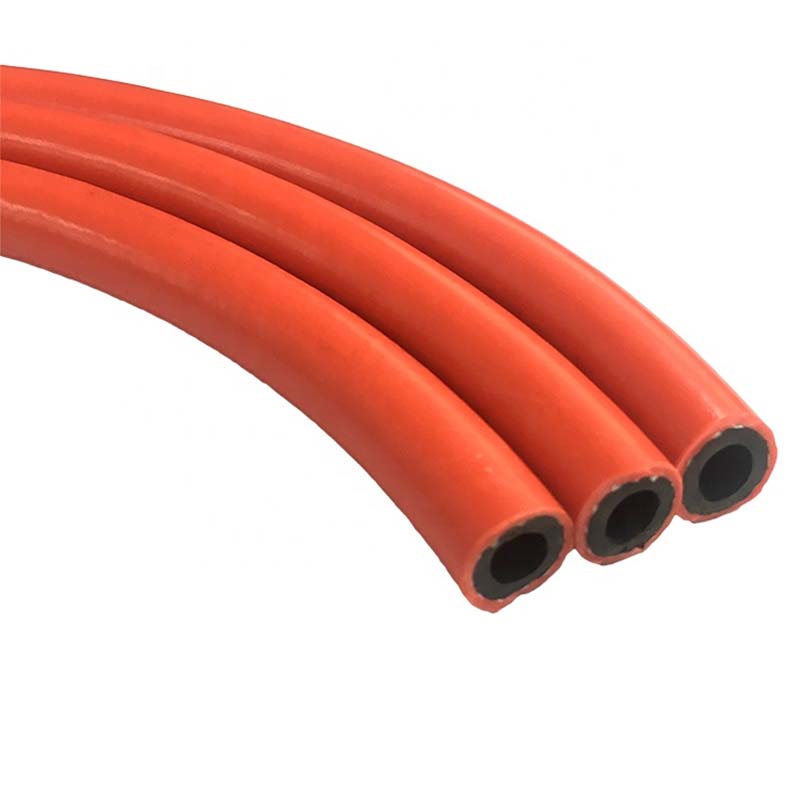
Key Regulatory Considerations:
- Material Compatibility: Hoses must be resistant to LPG's chemical properties, preventing degradation and permeation.
- Pressure Ratings: Compliance with specified maximum working pressure (MWP) and burst pressure ratios.
- Temperature Range: Performance stability across varied ambient and fluid temperatures.
- Flame Resistance: Critical for safety in environments where fire risk is present.
- Assembly Integrity: Ensuring fittings and couplings maintain integrity under stress and pressure.
Manufacturing Process of a High-Quality LPG Gas Hose
The production of a durable and safe lpg gas hose involves a multi-stage, precision-controlled process, distinct from generic hose manufacturing. Our commitment to quality starts with the selection of premium raw materials and extends through meticulous fabrication and rigorous testing.
Process Flow:
1. Material Selection & Preparation
Materials: Inner tube typically made from NBR (Nitrile Butadiene Rubber) for excellent LPG resistance and low permeation. Reinforcement layers use high-tensile synthetic fiber braids or spirals for pressure strength. Outer cover uses weather-resistant synthetic rubber (e.g., EPDM, SBR/NBR blend) for abrasion and ozone resistance. All materials undergo stringent QC checks for purity and consistency.
2. Extrusion of Inner Tube
Manufacturing Process: The chosen NBR compound is precisely extruded through a die to form a seamless, uniform inner tube. This process ensures consistent wall thickness and a smooth interior for optimal flow and minimal gas permeation. Temperature and pressure are carefully controlled during extrusion to maintain material integrity.
3. Reinforcement Layer Application
Manufacturing Process: The extruded inner tube is then fed into braiding or spiraling machinery. High-strength synthetic textile yarns (e.g., polyester, aramid) are applied in one or more layers, often with counter-directional wraps, to provide burst resistance and prevent kinking. This step is crucial for achieving specific pressure ratings, particularly for high pressure lpg gas hose applications.
4. Outer Cover Extrusion
Manufacturing Process: A protective outer cover, resistant to abrasion, ozone, UV radiation, and hydrocarbons, is then extruded over the reinforced core. This layer shields the structural integrity of the hose from external environmental factors and mechanical damage, enhancing its service life.
5. Vulcanization (Curing)
Manufacturing Process: The entire hose assembly is then subjected to a high-temperature, high-pressure vulcanization process. This chemically cross-links the rubber polymers, giving the hose its final elastic properties, strength, and durability. This curing is critical for achieving the specified physical and chemical resistances.
6. Testing & Quality Control
Testing Standards: Each batch undergoes rigorous testing to meet ISO, ANSI, EN, and UL standards. This includes hydrostatic burst pressure testing, impulse testing, ozone resistance, flame resistance, permeation rate measurement, and adhesion tests between layers. Visual inspection and dimensional checks are also performed. Only hoses passing all tests proceed to assembly.
Service Life: A well-manufactured and properly maintained lpg gas hose can have a service life ranging from 5 to 10 years, depending on application severity, environmental conditions, and adherence to inspection schedules. Regular inspection and timely replacement are crucial.
Target Industries: Our hoses serve a diverse range of industries, including petrochemical (for fuel transfer and sampling), metallurgy (for furnace and cutting gas lines), food processing (for heating and drying applications), commercial kitchens, outdoor heating systems, and general industrial gas distribution.
Technical Advantages: Our manufacturing process emphasizes several key advantages: superior corrosion resistance from specialized inner liners, enhanced flexibility for easier installation in confined spaces, and energy saving through optimized flow dynamics reducing pressure drops.
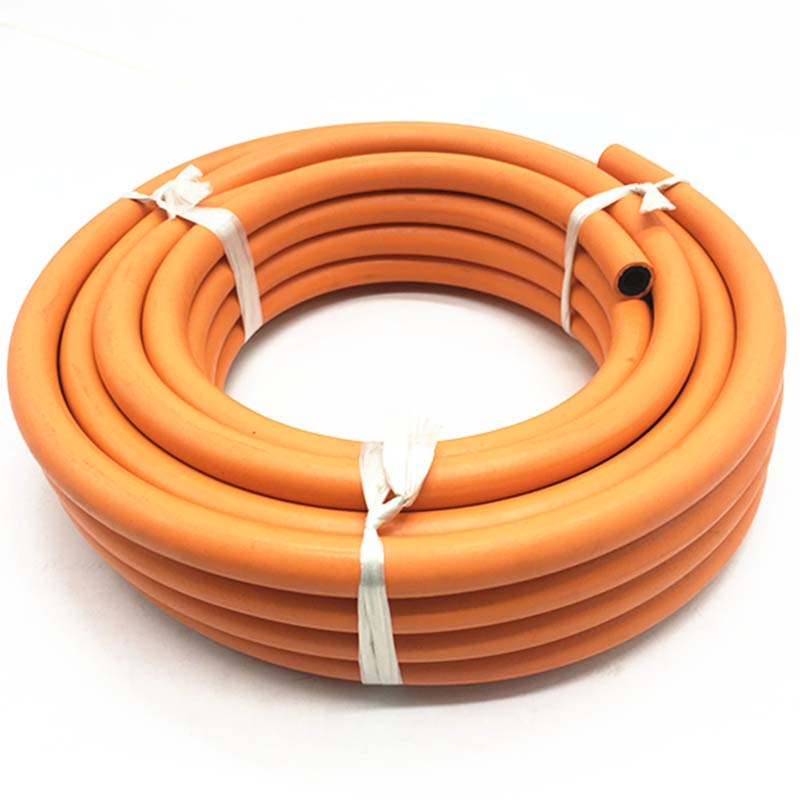
Technical Specifications and Performance Parameters
Understanding the precise technical specifications of an lpg gas hose is fundamental to selecting the correct product for any given application. Our hoses are engineered to deliver consistent performance under demanding conditions.
Typical LPG Gas Hose Specifications:
| Parameter | Description | Value/Range | Standard Compliance |
|---|---|---|---|
| Inner Tube Material | Nitrile Butadiene Rubber (NBR) | Excellent LPG compatibility | EN 16436-1, UL 569 |
| Reinforcement | High-tensile synthetic textile cord (braided/spiraled) | 1-2 layers | ISO 1307 |
| Outer Cover Material | EPDM/SBR blend (weather, abrasion, ozone resistant) | Flame retardant options available | ASTM D380, UL 94 |
| Working Pressure (WP) | Maximum continuous operating pressure | Up to 2.5 MPa (362 PSI) for standard, 4.0 MPa (580 PSI) for high pressure | Industry-specific |
| Burst Pressure (BP) | Minimum pressure causing hose failure | Typically 4x WP (10-16 MPa) | Safety Factor 4:1 |
| Temperature Range | Operating temperature limits | -30°C to +70°C (-22°F to +158°F) | EN 16436-1 |
| Bend Radius (Min) | Smallest radius hose can be bent without kinking/damage | 8-10x ID (Inner Diameter) | Manufacturer specific |
| Permeation Rate | Rate of gas diffusing through hose wall | Extremely low, compliant with EN/UL | EN 16436-1 |
| Inner Diameter (ID) Range | Standard available diameters | 6mm to 50mm (1/4" to 2") | Varies by application |
Application Scenarios and Technical Advantages
The versatility and robust nature of a specialized lpg gas hose make it indispensable across a spectrum of industrial and commercial applications.
Typical Application Scenarios:
- Commercial Kitchens: Connecting stoves, ovens, and other gas appliances where flexibility is required for installation and maintenance.
- Outdoor Heating and Grilling: Providing safe and reliable fuel lines for patio heaters, industrial barbecues, and other outdoor commercial heating solutions.
- Industrial Burners & Furnaces: Supplying LPG to high-temperature processing equipment in manufacturing and metallurgy.
- Portable Gas Manifolds: Facilitating temporary or mobile gas distribution systems on construction sites or event venues.
- Propane Forklifts & Vehicles: Fueling industrial vehicles that operate on LPG, demanding durable hoses resistant to vibration and constant movement.
- Agricultural Drying Equipment: Providing fuel for crop dryers and other farm machinery.
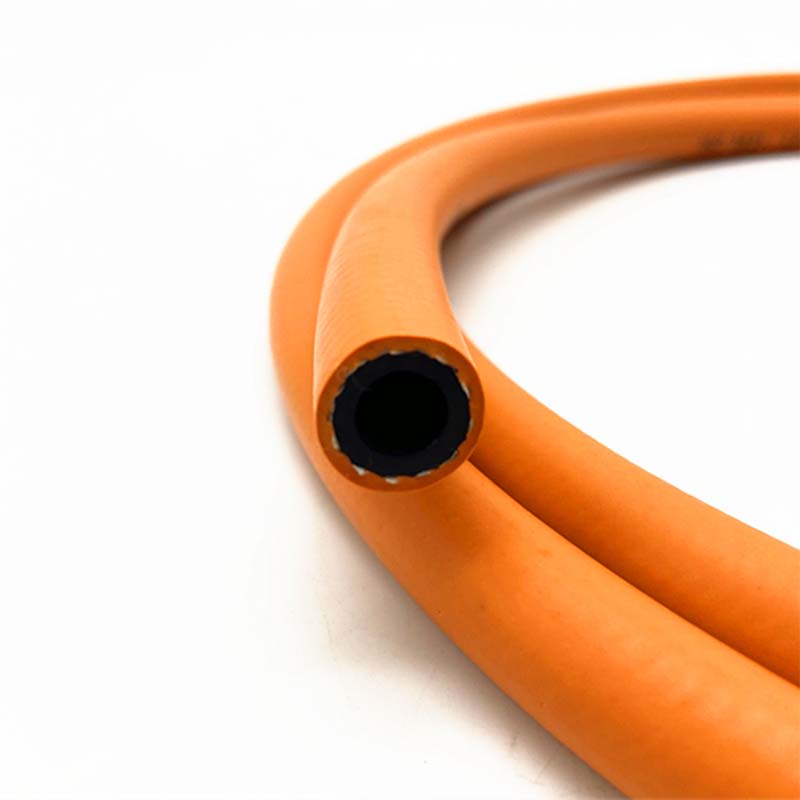
Key Technical Advantages:
- Superior Flexibility & Kink Resistance: Facilitates easier routing and installation in tight spaces, reducing installation time and potential damage.
- Exceptional Chemical & Permeation Resistance: Specialized NBR inner tubes minimize gas loss and prevent degradation from LPG, enhancing safety and efficiency.
- High Pressure Capability: Reinforced construction ensures hoses can safely handle varying pressures, including those required for high pressure lpg gas hose applications, with a significant safety margin.
- Durability & Longevity: Robust outer covers protect against abrasion, ozone, and UV, extending the service life and reducing replacement frequency. This translates to lower total cost of ownership.
- Wide Temperature Operating Range: Maintains performance integrity in diverse climatic conditions, from freezing winters to hot summers.
- Regulatory Compliance: Engineered and tested to meet or exceed international and regional lpg gas hose regulations, ensuring peace of mind for operators and authorities.
- Corrosion Resistance: Materials are chosen to resist internal and external corrosion, crucial for applications in harsh industrial environments or outdoor settings.
Vendor Comparison and Customized Solutions
Choosing the right supplier for LPG gas hoses involves more than just comparing price tags. It requires evaluating product quality, adherence to standards, customization capabilities, and post-sales support. While many suppliers offer standard hoses, Kebing Hose distinguishes itself through engineering expertise and a customer-centric approach to customized solutions.
Comparative Analysis: Kebing Hose vs. Generic Suppliers
| Feature/Aspect | Kebing Hose Offering | Generic Supplier (Typical) |
|---|---|---|
| Material Purity & Sourcing | Premium, certified NBR and synthetic fibers from trusted global suppliers. Strict incoming QC. | Variable quality, potentially non-certified materials. |
| Manufacturing Process | Advanced extrusion, precision braiding, controlled vulcanization. ISO 9001 certified. | Less stringent process controls, potential for inconsistencies. |
| Testing & Certifications | 100% batch testing, adherence to EN 16436, UL 569, ISO 3821. Full traceability. | Random sampling, may lack comprehensive international certifications. |
| Customization Options | Extensive (length, diameter, pressure, fitting types, color, branding). Engineering support. | Limited standard lengths/diameters, minimal fitting variety. |
| Service Life & Warranty | Extended service life (5-10 years typical), comprehensive warranty. | Shorter expected life, limited or basic warranty. |
| Technical Support | Dedicated technical team for application assistance, troubleshooting. | Basic product support, less application-specific guidance. |
Customized Solutions:
We understand that off-the-shelf solutions don't always meet the unique demands of every industrial application. Kebing Hose offers comprehensive customization for lpg gas hose products, including:
- Specific Lengths and Diameters: Tailored to fit exact installation requirements, optimizing flow and minimizing waste. This directly addresses concerns about lpg gas hose maximum length for compliance.
- Pressure Ratings: Custom hoses engineered for specific working and burst pressures, accommodating both standard and high pressure lpg gas hose needs.
- End Fittings & Couplings: A wide range of fittings (e.g., NPT, BSP, JIC, quick-connects) in various materials (brass, stainless steel) to ensure seamless integration with existing systems.
- Outer Cover Enhancements: Options for increased abrasion resistance, UV protection, chemical resistance, or specific color coding for safety and identification.
- Branding & Marking: Custom labeling with client logos, part numbers, and specific regulatory marks for inventory management and brand consistency.
Our engineering team collaborates closely with clients from concept to production, ensuring that every customized lpg gas hose solution delivers optimal performance and regulatory compliance.
Application Case Studies: Proving Our Expertise and Experience
Case Study 1: Large-Scale Commercial Kitchen Retrofit
Client: A national restaurant chain expanding its central kitchen operations in Europe.
Challenge: The client required flexible, compliant LPG connections for a new bank of commercial stoves and ovens. Existing hoses were failing prematurely due to heat and frequent movement, leading to safety concerns and costly downtime. Strict EN 16436-1 standards for lpg gas hose regulations were paramount.
Solution: We provided custom-length LPG gas hoses (1.5m and 2.5m, addressing lpg gas hose maximum length guidelines) with heat-resistant EPDM outer covers and robust stainless steel quick-connect fittings. Our hoses were certified to EN 16436-1 Type 2, ensuring superior thermal stability and fatigue resistance.
Outcome: The client reported a significant reduction in hose-related maintenance, improved operational safety, and full compliance with local regulations. The enhanced durability led to an estimated 60% increase in hose service life compared to previous suppliers, resulting in substantial cost savings over three years.
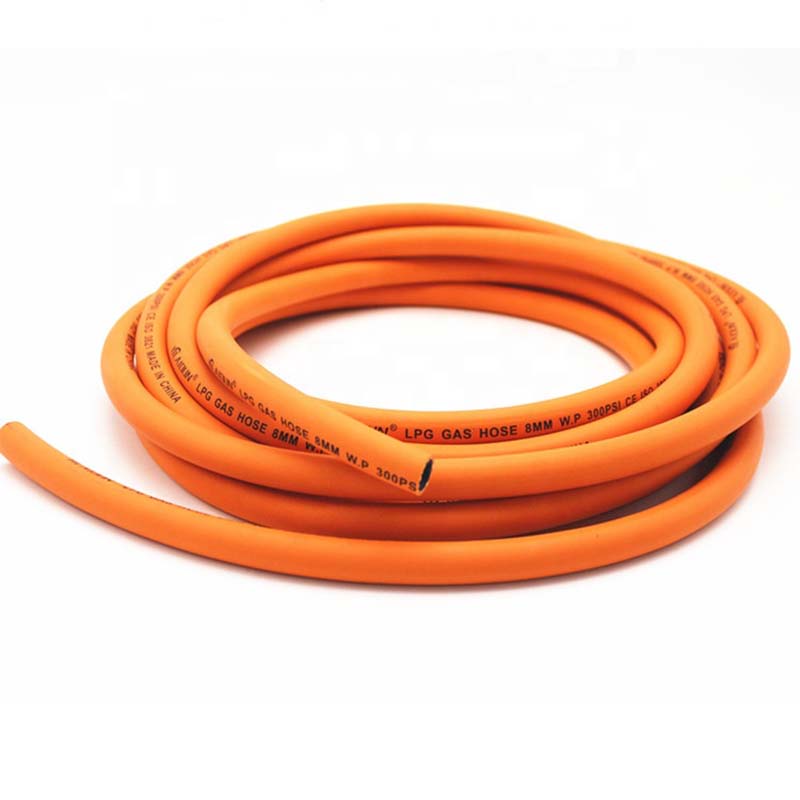
Case Study 2: Petrochemical Plant LPG Transfer
Client: A major petrochemical facility in the Middle East requiring flexible connections for LPG sampling and high-volume transfer operations.
Challenge: The application demanded hoses capable of handling LPG at elevated pressures (up to 4 MPa / 580 PSI) and temperatures, with exceptional resistance to aggressive chemicals present in raw LPG streams. Existing hoses frequently failed under pressure spikes, posing significant safety and environmental risks. The need was for a true high pressure lpg gas hose.
Solution: We engineered a specialized lpg gas hose with a multi-layered construction featuring a robust NBR inner tube, two layers of high-tensile steel wire braid reinforcement, and a chemical-resistant outer cover. Each hose assembly was hydrostatically tested to 1.5 times its working pressure, exceeding industry norms.
Outcome: The customized high-pressure hoses performed flawlessly, eliminating premature failures and significantly enhancing safety protocols. The plant reported zero incidents related to hose integrity over a 5-year period, validating the superior engineering and manufacturing quality. This case exemplifies our capability in delivering solutions for critical, high-stakes industrial environments.
Authoritativeness and Trustworthiness
Our commitment to quality, safety, and customer satisfaction is underpinned by rigorous adherence to international standards and transparent business practices. We strive to be a trusted partner in your supply chain.
Certifications and Quality Assurance:
- ISO 9001:2015 Certified: Our manufacturing facilities and quality management systems are certified to ISO 9001, ensuring consistent product quality and continuous improvement.
- Compliance with International Standards: All relevant products meet or exceed standards such as EN 16436, UL 569, ISO 3821, and pertinent national codes.
- Third-Party Verifications: Our hoses undergo regular audits and testing by independent laboratories to validate performance claims and regulatory compliance.
- Years of Service: With over 15 years of experience in hose manufacturing, we have built a reputation for reliability and technical excellence.
Frequently Asked Questions (FAQ):
Q1: What is the typical service life of an LPG gas hose?
A1: Under normal operating conditions and with proper maintenance, our lpg gas hose products are designed for a service life of 5 to 10 years. We recommend regular visual inspections and pressure testing, especially in harsh environments.
Q2: How do I determine the correct pressure rating for my application?
A2: You need to know your system's maximum operating pressure. Always select a hose with a Working Pressure (WP) rating at least 1.5 times your system's maximum operating pressure. For critical or high pressure lpg gas hose applications, consult our technical team.
Q3: Are your hoses compliant with specific regional regulations like NFPA 58?
A3: Yes, we offer hoses designed and tested to meet various international and regional standards, including components compliant with aspects of NFPA 58. Please specify your regulatory requirements when placing an inquiry.
Q4: What is the maximum length available for an LPG gas hose?
A4: While we can manufacture continuous lengths up to several hundred meters, lpg gas hose maximum length for assembled connections is often restricted by local regulations to ensure safety. We can provide custom lengths as per your project requirements and advise on compliance.
Lead Time, Warranty, and Support:
- Lead Time: Standard orders typically ship within 2-4 weeks. Customized solutions may require 4-8 weeks, depending on complexity and material sourcing. Expedited options are available upon request.
- Warranty: All our LPG gas hoses come with a standard 12-month warranty against manufacturing defects, effective from the date of purchase. Extended warranties can be arranged for specific projects.
- Customer Support: Our dedicated technical support team is available from 8:00 AM to 5:00 PM (GMT+8), Monday to Friday, to assist with product selection, technical queries, installation guidance, and troubleshooting.
- After-Sales Service: We provide comprehensive after-sales service, including periodic inspections, replacement parts, and technical consultations to ensure the continuous optimal performance of our products.
Conclusion
The selection and implementation of a suitable lpg gas hose are critical decisions impacting safety, operational efficiency, and long-term cost-effectiveness in B2B environments. Kebing Hose is committed to providing superior products that not only meet but exceed industry standards and customer expectations. Through our meticulous manufacturing processes, rigorous testing, and dedication to customized solutions, we ensure that our hoses deliver unparalleled performance and reliability, addressing diverse industrial needs from standard applications to demanding high pressure lpg gas hose requirements.
Partner with us to secure safe, durable, and compliant LPG transfer solutions for your operations, backed by expertise, experience, and unwavering trustworthiness.
References
- International Organization for Standardization (ISO). ISO 3821:2019. Gas welding equipment — Rubber hoses for welding, cutting and allied processes.
- European Committee for Standardization (CEN). EN 16436-1:2014+A1:2018. Rubber hoses and hose assemblies for liquefied petroleum gas, natural gas and town gas up to 200 mbar and to 0.5 bar.
- Underwriters Laboratories (UL). UL 569. Standard for Pigtails, Hoses, and Connectors for Liquefied Petroleum Gas.
- National Fire Protection Association (NFPA). NFPA 58: Liquefied Petroleum Gas Code, 2024 Edition.
- ASTM International. ASTM D380-14. Standard Test Methods for Rubber Hose.
-
High Strength Industrial Clear Braided PVC Hose Pipe GuideNewsApr.16,2026
-
Industrial Reinforced Braided PVC Hose for Fluid Transfer GuideNewsApr.09,2026
-
Comprehensive Guide to Braided PVC Tubing Applications and BenefitsNewsApr.07,2026
-
Comprehensive Guide to Braided Clear Vinyl Tubing Applications and BenefitsNewsApr.04,2026
-
Comprehensive Guide to PVC Braided Hose Applications and SelectionNewsMar.31,2026
-
Comprehensive Guide to Selecting the Best Double Welding Hose for Your NeedsNewsMar.28,2026
 Afrikaans
 Albanian
 Arabic
 Azerbaijani
 Belarusian
 Bengali
 Bulgarian
 Czech
Czech
 Danish
 Dutch
Dutch
 Finnish
 French
 German
 Greek
Greek
 Hebrew
 Hindi
Hindi
 Hungarian
 Indonesian
 Irish
Irish
 Italian
 Japanese
 Kazakh
 Korean
 Kyrgyz
 Lao
Lao
 Latin
Latin
 Lithuanian
 Luxembourgish
 Malay
Malay
 Mongolian
 Myanmar
 Nepali
 Norwegian
 Persian
 Polish
 Portuguese
 Russian
 Serbian
 Slovak
 Spanish
 Swedish
 Tagalog
 Thai
Thai
 Turkish
 Ukrainian
 Uighur
 Uzbek
Uzbek
 Vietnamese
 Welsh
Welsh
 English