


Reliable Corrugated Vacuum Hose Solutions – Durable, Flexible, and Cost-Effective
The Quiet Power of Corrugated Vacuum Hose: Why It Matters in a Connected World
If you’ve ever wondered how industrial dust gets whisked away safely or how wastewater is sucked from tight spaces, the humble corrugated vacuum hose is often the unsung hero making it happen. It’s one of those engineering marvels you rarely see but constantly rely on. Globally, as industries modernize and humanitarian aid seeks smarter, faster solutions, this flexible yet durable tubing quietly enables essential operations. Understanding its value, design, and applications might not make headlines but can open the door to innovations in sustainability, cost savings, and safety — all qualities increasingly vital today.
Introduction: The Global Scope of Corrugated Vacuum Hose
Did you know that the global industrial hose market is projected to cross $10 billion by 2027? (Source: Industry Research). A significant share of that comes from vacuum and suction hoses crucial in sectors like manufacturing, agriculture, environmental management, and even emergency response. Corrugated vacuum hoses, thanks to their flexibility and strength, address challenges that smooth hoses just can’t: tight bends, abrasion resistance, and pressure fluctuations.
Today’s industries and relief organizations grapple with increasingly complex operational environments. Whether it’s removing hazardous material from construction sites or delivering clean water post-disaster, the role of reliable vacuum hoses cannot be overstated. The ISO 5774:2019 standard even highlights specific requirements for industrial suction hoses, underscoring their importance in safe, efficient workflows.
What Exactly Is a Corrugated Vacuum Hose?
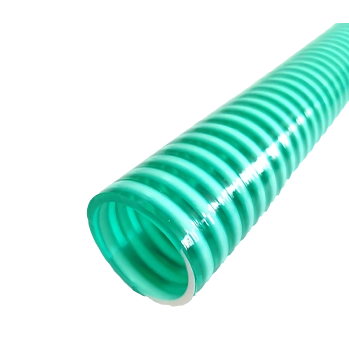
In simple terms, a corrugated vacuum hose is a flexible pipe characterized by alternating ridges and grooves — the “corrugations” — designed to enhance strength and flexibility. Imagine the bendy tube on your vacuum cleaner but made of durable synthetic materials that can endure rough industrial use. These hoses connect machinery, remove liquids, slurries, or solids, and manage air flows, often in demanding settings.
Beyond factories and workshops, these hoses also play vital roles in humanitarian efforts. For example, quick-deploy water extraction systems use corrugated vacuum hoses to restore sanitation rapidly following floods.
Mini takeaway:
- Corrugated vacuum hoses combine flexibility, durability, and specialized design to tackle problems where other hoses fail.
- They serve as critical infrastructure components across world industries and aid efforts alike.
Core Aspects of Corrugated Vacuum Hose Performance
1. Durability and Material Composition
Most corrugated vacuum hoses are made from high-strength thermoplastics like polyurethane or reinforced PVC. Their corrugated design boosts resistance to crushing and kinking without compromising flexibility. Many engineers say polyurethane versions handle abrasion far better, sometimes lasting 5x longer in gritty conditions.
2. Flexibility through Corrugation
This design isn’t just decorative: corrugations allow the hose to bend sharply without damaging the internal lining, perfect for cramped industrial setups or complex routing challenges.
3. Pressure and Vacuum Resistance
These hoses can sustain a positive pressure or vacuum, depending on their thickness and reinforcement. For example, some are rated up to -0.9 bar vacuum and +6 bar pressure applications — versatility that saves needing different hoses for different tasks.
4. Chemical and Temperature Resistance
Materials used are often chosen based on the expected chemical exposure and temperature ranges — from chilled environments to hot abrasive fumes. That’s why specifying the right hose material is key to long-term success.
5. Cost Efficiency and Lifespan
Though a higher upfront investment may be required, the longer lifespan and reduced downtime often mean corrugated vacuum hoses are more cost-effective over time.
Mini takeaway:
- Material choice and corrugation design directly influence hose durability and performance.
- Matching hose specs to application needs prevents premature failures and hidden costs.
How Corrugated Vacuum Hoses Make a Real-World Difference
In industrial hubs like Germany’s Ruhr Valley or China’s manufacturing belt, these hoses are workhorses for dust extraction, pneumatic conveying, and fluid transfer. Oddly enough, in places like sub-Saharan Africa, aid organizations have leveraged corrugated vacuum hoses to set up emergency water pumping systems after floods.
Consider a recent construction site in Texas where a corrugated vacuum hose system enabled quick and safe removal of slurry, avoiding costly delays caused by clogs or hose failures. Or a pulp and paper mill in Scandinavia relying on polyurethane corrugated hoses to transfer wood pulp mixtures without internal damage or leakage.
These examples aren’t isolated — real-world applications prove how crucial these hoses are across industries and geographies.
Advantages & Long-Term Impact
- Reliability: Minimizes downtime, keeping operations smooth.
- Sustainability: Longer lifespan means less waste and fewer replacements.
- Safety: Proper hose integrity protects workers from leaks or hazardous spills.
- Cost Savings: Though pricier initially, durability cuts maintenance and replacement expenses.
- Innovative Edge: Compatibility with automated systems and robotics in newer factories.
It’s not just about economics but also dignity and safety — especially in humanitarian contexts where dependable equipment means clean water or efficient waste removal.
Looking Ahead: Trends in Corrugated Vacuum Hose Technology
Smart manufacturing is influencing hose production with embedded sensors monitoring wear and performance. Imagine automated alerts before a hose failure — reducing unplanned downtime significantly.
There’s also movement toward greener materials, like biodegradable thermoplastics or recycled composites, aligning with global sustainability goals. Digital twin simulations help designers test new corrugation profiles for better flexibility and strength before production.
Common Challenges and How They’re Addressed
Despite all the perks, corrugated vacuum hoses aren’t without issues. Improper installation can lead to kinking or reduced flow rates. Sourcing quality materials consistently is another hurdle, especially in emerging markets.
Experts recommend rigorous testing per ISO 5774 standards and partnering with trustworthy vendors who offer full traceability and certifications. Also, modular hose systems enable easier maintenance without full replacement, which saves costs and downtime.
Product Specifications at a Glance
| Feature | Typical Range/Value | Notes |
|---|---|---|
| Material | Polyurethane, PVC, Rubber blends | Based on application and abrasion resistance |
| Inside Diameter | 10 mm – 300 mm | Custom sizes available |
| Temperature Range | -40°C to +80°C (typical) | Depends on material choice |
| Vacuum rating | Up to -0.9 bar (absolute) | Varies by hose thickness |
| Pressure rating | Up to +6 bar | Reinforcement layers matter |
Comparing Top Vendors: A Brief Overview
| Vendor | Material Focus | Custom Options | Certifications | Typical Lead Time |
|---|---|---|---|---|
| KeBing Hose | Polyurethane & PVC | High customization including length, diameter | ISO 5774, REACH, RoHS | 2-4 weeks |
| FlexaVac Inc. | Rubber blends | Moderate customization | ISO 9001 | 3-6 weeks |
| GlobalDuct Systems | Thermoplastic composites | Limited customization | CE marking | 4-5 weeks |
FAQ: Getting to Know Corrugated Vacuum Hose a Bit Better
- Q: How do I choose the right corrugated vacuum hose for abrasive materials?
- A: Pick hoses made of abrasion-resistant polyurethane with reinforced corrugations. These materials withstand wear better and maintain suction efficiency for longer periods.
- Q: Can corrugated vacuum hoses handle extreme temperatures?
- A: It depends. Many hoses operate safely between -40°C and +80°C, but for hotter or colder environments, specialized materials must be selected. Always check manufacturer specs.
- Q: Are corrugated vacuum hoses reusable or one-time use?
- A: Generally, they’re reusable and designed for long-term use if maintained properly. In hazardous applications, some may be single-use to avoid contamination risks.
- Q: What maintenance is required for these hoses?
- A: Regular inspections for cracks, abrasions, or kinks are essential. Flushing hoses and storing them properly when not in use helps prolong service life.
- Q: How can I ensure quick international delivery for urgent projects?
- A: Partner with vendors offering on-demand manufacturing and global logistics support. Companies like corrugated vacuum hose suppliers with flexible lead times can be a lifesaver.
Wrapping It Up: Why Corrugated Vacuum Hoses Will Stick Around
Looking back, it’s clear that corrugated vacuum hoses are more than just tubes — they’re lifelines powering countless essential functions worldwide. Their adaptability, durability, and evolving designs keep them relevant across industries and humanitarian aid alike. Whether it’s dust-free factories or clean water pumping in remote areas, they offer reliability and efficiency that operators crave.
For anyone dealing with suction or transfer challenges, understanding the nuances of these hoses opens up smarter procurement and operational planning. Think of a corrugated vacuum hose as a simple innovation with complex impact — and odds are, somewhere close by, it’s quietly doing its job right now.
Explore more, compare options, and order the right fit for your needs at corrugated vacuum hose.
References
-
High Strength Industrial Clear Braided PVC Hose Pipe GuideNewsApr.16,2026
-
Industrial Reinforced Braided PVC Hose for Fluid Transfer GuideNewsApr.09,2026
-
Comprehensive Guide to Braided PVC Tubing Applications and BenefitsNewsApr.07,2026
-
Comprehensive Guide to Braided Clear Vinyl Tubing Applications and BenefitsNewsApr.04,2026
-
Comprehensive Guide to PVC Braided Hose Applications and SelectionNewsMar.31,2026
-
Comprehensive Guide to Selecting the Best Double Welding Hose for Your NeedsNewsMar.28,2026
 Afrikaans
 Albanian
 Arabic
 Azerbaijani
 Belarusian
 Bengali
 Bulgarian
 Czech
Czech
 Danish
 Dutch
Dutch
 Finnish
 French
 German
 Greek
Greek
 Hebrew
 Hindi
Hindi
 Hungarian
 Indonesian
 Irish
Irish
 Italian
 Japanese
 Kazakh
 Korean
 Kyrgyz
 Lao
Lao
 Latin
Latin
 Lithuanian
 Luxembourgish
 Malay
Malay
 Mongolian
 Myanmar
 Nepali
 Norwegian
 Persian
 Polish
 Portuguese
 Russian
 Serbian
 Slovak
 Spanish
 Swedish
 Tagalog
 Thai
Thai
 Turkish
 Ukrainian
 Uighur
 Uzbek
Uzbek
 Vietnamese
 Welsh
Welsh
 English