


Premium Layflat Hoses: Durable & Efficient Irrigation Solutions
Advanced Fluid Management with High-Performance PE Layflat Hoses
In various demanding industrial, agricultural, and municipal applications, the efficient and reliable transfer of fluids is a cornerstone of operational success. Among the spectrum of fluid conveyance solutions, layflat hoses have emerged as an indispensable technology. Characterized by their ability to collapse flat when depressurized, these hoses offer significant advantages in terms of storage, transport, and rapid deployment compared to rigid piping or conventional bulky hoses. This detailed exposition explores the technical prowess of PE (Polyethylene) layflat hoses, their intricate manufacturing processes, diverse application scenarios, and the compelling advantages they provide to B2B stakeholders seeking optimized fluid management solutions.
The continuous evolution of infrastructure, agricultural practices, and resource extraction necessitates robust and adaptable fluid transfer systems. Traditional piping often presents logistical hurdles in temporary or dynamic environments. PE layflat hoses directly address these challenges, offering a lightweight, durable, and cost-effective alternative for handling water, slurries, and certain chemicals. This analysis will equip decision-makers and engineers with a thorough understanding of their capabilities, market trends, and how Kebinghose delivers superior performance and value.
Industry Trends and Market Outlook for Layflat Hoses
The global market for fluid transfer systems, including high-performance layflat hoses, is experiencing robust growth. Projections indicate a significant expansion in the industrial hose sector, driven by increasing investments in infrastructure development, modernization of agricultural irrigation systems, and the imperative for efficient dewatering solutions in mining and construction. Key trends influencing this market include:
- Sustainable Water Management: Growing demand for efficient lay flat irrigation hose systems to combat water scarcity and improve agricultural productivity, with a particular focus on lay flat irrigation hose for sale solutions that offer durability and ease of deployment.
- Resource Extraction Expansion: Continued growth in mining and oil & gas sectors driving the need for durable hoses for dewatering, slurry transport, and process fluid transfer in harsh environments.
- Urbanization & Construction: Rapid expansion of urban areas and large-scale construction projects requiring temporary and reliable fluid conveyance for dewatering, concrete pumping, and utility bypasses.
- Technological Advancements: Continuous innovation in polymer science and extrusion technologies leading to hoses with enhanced pressure ratings, superior abrasion resistance, and extended service life.
- Environmental Compliance: Stricter regulations on wastewater discharge and fluid containment driving adoption of highly reliable, leak-proof systems.
Polyethylene-based solutions, due to their favorable chemical resistance, flexibility, and longevity, are well-positioned to capitalize on these trends, offering an environmentally responsible and economically viable solution for diverse fluid transfer needs.
Technical Specifications and Parameters of PE Layflat Hoses
The robust performance of PE layflat hoses stems from their precise material composition and construction, validated by rigorous adherence to industry-standard parameters. Key technical specifications include:
- Material: High-grade virgin polyethylene, often co-extruded with specific additives for UV resistance, anti-aging, and enhanced flexibility, ensuring a superior material integrity and chemical inertness.
- Pressure Ratings: Defined by Working Pressure (WP) and Burst Pressure (BP). Working pressures typically range from 2 bar to 10 bar, with burst pressures at least 3 times the WP, showcasing a significant safety margin.
- Temperature Resilience: Operable across a broad temperature spectrum, typically from -20°C to +70°C, maintaining performance in varied climatic conditions.
- Abrasion Resistance Index: A critical factor for rugged environments, measuring the hose's ability to withstand external friction and wear. PE offers excellent resistance.
- Chemical Compatibility: Inherently resistant to a wide range of inorganic acids, alkalis, and solvents, making them versatile for various industrial fluids.
- Tensile Strength: The maximum stress the hose can withstand under tension, vital for deployment over long distances or in high-stress applications.
- Available Diameters: Layflat hose sizes typically span from 1 inch (25mm) to 12 inches (300mm), with larger custom diameters available to meet specific flow rate requirements.
Kebinghose PE Layflat Hose: Typical Specifications
| Parameter | Specification (Kebinghose PE Layflat Hose) |
|---|---|
| Material Grade | Premium Virgin HDPE/LDPE Blend with UV Protection |
| Standard ID Range | 1" (25mm) to 12" (300mm) |
| Working Pressure (WP) | 2.0 Bar to 10.0 Bar (30 to 145 PSI) |
| Burst Pressure (BP) | Minimum 3 x WP |
| Operating Temperature | -20°C to +70°C |
| Standard Roll Lengths | 50m, 100m, 200m, 300m (custom available) |
| Color Options | Blue, Green, Black, Yellow (custom on request) |
| Key Compliance | ISO 9001:2015 Manufacturing Standards |
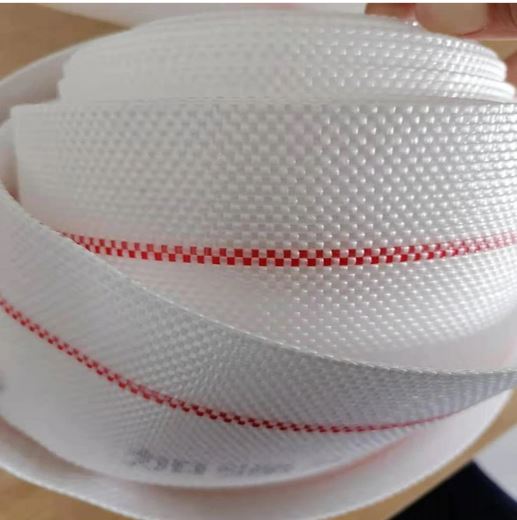
Figure 1: High-performance PE layflat hoses engineered for demanding industrial fluid transfer.
Manufacturing Process of PE Layflat Hoses
The production of Kebinghose PE layflat hoses is a sophisticated, multi-stage extrusion process designed to ensure product consistency, superior performance, and extended service life. This contrasts with traditional metal fabrication processes like casting or forging, relying instead on advanced polymer engineering principles.
Detailed Process Flow:
- Material Preparation & Blending: High-grade virgin polyethylene resin granules are accurately dosed and combined with performance additives such as UV stabilizers, anti-oxidants, and color pigments. This homogeneous blend is critical for achieving consistent material properties and long-term durability.
- Inner Liner Extrusion: The blended PE compound is fed into a high-precision single-screw extruder. Under controlled temperature and pressure, the polymer melts and is forced through an annular die to form a seamless inner tube. The extruder's parameters are meticulously monitored to ensure precise wall thickness and a smooth internal surface, minimizing flow resistance.
- Textile Reinforcement (Optional): For hoses requiring enhanced pressure ratings and tensile strength, a high-tenacity polyester yarn is circularly woven or braided around the freshly extruded inner liner. This reinforcement layer is integral to the hose's structural integrity.
- Outer Jacket Extrusion: A second layer of formulated PE is then extruded over the reinforced inner tube. This outer jacket fuses with the inner layers, creating a unified, robust structure that provides excellent abrasion resistance, UV protection, and chemical defense, preventing delamination.
- Controlled Cooling: The hot, extruded hose is passed through a precisely regulated water bath. Gradual and uniform cooling is essential to stabilize the polymer structure, prevent material stress, and maintain exact dimensional specifications (e.g., diameter and wall thickness).
- Haul-off, Printing & Inspection: A synchronized haul-off unit pulls the hose at a constant speed, ensuring consistent dimensions. During this stage, critical product information, including manufacturer, size, working pressure, and batch number, is clearly printed onto the hose surface. Continuous inline inspection for visual defects occurs here.
- Quality Assurance & Testing: Finished hoses undergo rigorous testing to ensure compliance with international standards such as ISO 1402:2009 for hydrostatic testing. This includes:
- Hydrostatic Pressure Testing: Verifying working and burst pressures.
- Dimensional Accuracy: Measurement of inner diameter, wall thickness, and overall length.
- Flexibility and Kink Resistance: Practical tests to ensure ease of handling and flow continuity.
- Material Property Verification: Tensile strength, elongation, and abrasion resistance tests on sample sections.
- Coiling & Packaging: Upon successful quality verification, the hose is precision-wound onto reels or carefully coiled into specified lengths, prepared for secure packaging and global distribution.
This meticulous process ensures each PE layflat hose provides optimal performance, reliability, and a projected service life of 5-10 years under typical operating conditions, offering significant long-term value.
Key Technical Advantages of PE Layflat Hoses
The widespread adoption of PE layflat hoses in critical B2B applications is predicated on several inherent technical advantages that significantly enhance operational efficiency and reduce total cost of ownership:
- Exceptional Corrosion Resistance: The polyethylene material is highly resistant to a vast array of chemicals, acids, and alkalis, preventing degradation, ensuring fluid purity, and extending service life in corrosive environments such as petrochemical and water treatment facilities.
- Superior Abrasion Resistance: Engineered with a robust outer jacket, these hoses exhibit high resistance to wear and tear from dragging over rough surfaces, rocks, and debris, making them ideal for demanding mining, dewatering, and construction sites.
- Lightweight and Compact for Logistics: The layflat design enables significant space savings—up to 70% compared to rigid pipes or non-collapsible hoses—during storage and transportation. This translates directly to reduced freight costs and simpler, more efficient handling on site.
- Optimized Flow Efficiency (Energy Saving): The smooth inner bore minimizes friction losses and pressure drop, allowing for more efficient fluid transfer. This reduction in hydraulic resistance translates into tangible energy savings for pumping systems, lowering operational expenses over time.
- UV and Weather Durability: Incorporating specialized UV inhibitors, PE layflat hoses are designed to withstand prolonged exposure to sunlight and harsh weather conditions without material degradation, ensuring reliable outdoor performance.
- Rapid Deployment and Retrieval: Their inherent flexibility allows for quick unrolling, connection, and coiling, drastically cutting down installation and breakdown times, which is invaluable for temporary projects or emergency response scenarios.
- Excellent Kink Resistance: Engineered to resist kinking even when bent around corners or uneven terrain, ensuring uninterrupted flow and preventing damage to the hose structure.
Application Scenarios for Layflat Hoses
The remarkable versatility of layflat hoses positions them as a preferred solution across a broad spectrum of industries requiring efficient and adaptable fluid transfer:
- Agriculture and Irrigation: Serving as the backbone of modern irrigation systems, these hoses are extensively used for drip irrigation, sprinkler feed lines, and efficient water transfer from reservoirs to fields. The demand for robust lay flat irrigation hose solutions continues to grow, with many seeking high-quality lay flat irrigation hose for sale to enhance water conservation and crop yield.
- Mining and Construction: Essential for dewatering open-pit mines, quarries, and construction sites, handling large volumes of water and abrasive slurries. Their durability and ease of relocation are crucial in these dynamic environments.
- Municipal Water Management: Utilized for emergency bypass pumping during pipeline repairs, temporary water supply in crisis situations, and efficient flood control operations, providing quick and reliable solutions.
- Oil and Gas Sector: Deployed for temporary water transfer in fracking operations, dewatering oil exploration sites, and general utility fluid conveyance in remote or temporary setups.
- Industrial Effluent & Slurry Transfer: In metallurgical, chemical, and waste management industries, layflat hoses safely convey industrial effluents, process water, and abrasive slurries, leveraging their chemical and abrasion resistance.
- Fire Fighting & Emergency Services: Due to their rapid deployment and high-pressure capabilities, they are vital for conveying water during firefighting efforts and other emergency fluid transfer scenarios.
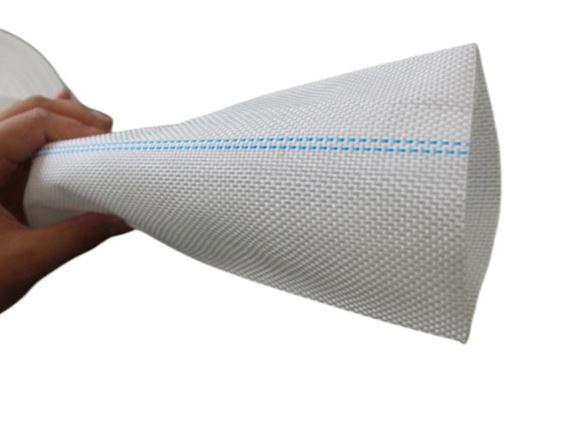
Figure 2: Versatile layflat hoses deployed in an agricultural irrigation setup for optimal water distribution.
Vendor Comparison and Selection Criteria for Layflat Hoses
Selecting the optimal supplier for layflat hoses is paramount for maximizing operational efficiency and ensuring long-term reliability. B2B decision-makers should conduct a thorough evaluation based on the following criteria:
- Material Purity & Additives: Verify the use of virgin, high-grade polymers and effective UV, anti-aging, and chemical resistance additives.
- Manufacturing Excellence: Assess adherence to international quality management standards (e.g., ISO 9001) and specific process controls.
- Product Range & Customization: Evaluate the breadth of available layflat hose sizes, pressure ratings, and lengths, alongside the capability for bespoke manufacturing.
- Technical Support: Access to expert technical guidance for application-specific challenges, material selection, and system integration.
- Certifications & Compliance: Confirmation of product certifications (e.g., CE, national water standards) and compliance with relevant industry performance benchmarks.
- Warranty & After-Sales Service: Clear, comprehensive warranty provisions and responsive support for any post-purchase requirements.
- Industry Reputation & Client Portfolio: A proven track record of successful deployments and testimonials from key industry players.
Illustrative Vendor Comparison Table
| Criterion | Kebinghose (PE Layflat) | Competitor A (PVC Layflat) | Competitor B (Rubber Layflat) |
|---|---|---|---|
| Primary Material | High-Grade Polyethylene (PE) | Polyvinyl Chloride (PVC) | Synthetic Rubber (e.g., NBR) |
| Chemical Resistance | Excellent (Acids, Alkalis, Salts) | Good (General chemicals) | Variable (Depends on rubber type) |
| Abrasion Resistance | Very High | High | Excellent (Specific compounds) |
| Weight & Portability | Lightweight, Superior Portability | Moderate Weight, Good Portability | Heavier, Moderate Portability |
| UV & Weather Resistance | Excellent (with stabilizers) | Good | Moderate (requires protection) |
| Temperature Range | -20°C to +70°C | -10°C to +60°C | -30°C to +80°C (wider range possible) |
Kebinghose stands out by consistently delivering high-grade PE layflat hoses that balance flexibility, durability, and cost-effectiveness, supported by rigorous quality control and a customer-centric approach to customization and support.
Customized Solutions for Specialized Requirements
While standard PE layflat hose offerings meet many industry needs, specialized applications often demand bespoke solutions. Kebinghose excels in providing comprehensive customization capabilities to precisely match unique operational parameters:
- Tailored Diameters and Lengths: Manufacturing hoses to exact internal diameter requirements and continuous lengths, minimizing the need for couplings and reducing potential leak points.
- Enhanced Pressure Performance: Engineering hoses for higher working and burst pressures through adjusted wall thickness, specialized reinforcement, or multi-layer co-extrusion.
- Optimized Chemical Compatibility: Developing specific PE formulations or composite structures to handle aggressive chemicals or extreme pH levels beyond standard PE resistance.
- Extreme Temperature Resistance: Custom compounds to withstand unusually high or low operating temperatures, ensuring hose integrity and flexibility in challenging climatic conditions.
- Custom Color Coding and Branding: Offering custom colors for easy identification of different fluid lines (e.g., potable water, recycled water, chemicals) and integrating client branding or specific operational markings.
- Integrated Fittings and Couplings: Supplying pre-assembled hose lines with specified fittings (e.g., camlock, Bauer, Storz) to ensure a complete, ready-to-deploy system, tailored for seamless integration with existing infrastructure.
This client-centric approach ensures that every fluid transfer challenge is met with a precisely engineered solution, maximizing efficiency, safety, and return on investment.
Real-World Application Case Studies
The tangible benefits of PE layflat hoses are most evident in their successful deployment across challenging industrial scenarios:
Case Study 1: Large-Scale Agricultural Water Distribution
An agricultural conglomerate operating extensive farmlands required a highly flexible and durable water transfer system for seasonal crop irrigation. Their existing rigid pipelines were costly to install and relocate. Kebinghose provided 6-inch PE layflat hoses, custom-fabricated in 250-meter lengths with quick-connect fittings. This solution allowed the farm to reduce installation labor by 35%, significantly shorten field preparation times, and achieve a 15% increase in water distribution efficiency across varied terrains. The superior UV resistance ensured multi-season usability without degradation.
Case Study 2: Remote Mineral Processing Plant Dewatering
A major mining company faced persistent issues with hose failures and high maintenance costs for dewatering its remote processing plant. The harsh, rocky environment and continuous operation demanded an extremely durable and reliable hose. Kebinghose supplied a custom order of 8-inch high-pressure layflat hoses with enhanced abrasion resistance features. This strategic implementation resulted in an 80% reduction in hose rupture incidents, significantly lowered maintenance frequency, and contributed to a 20% improvement in overall dewatering capacity, thereby boosting operational uptime and safety.
Ensuring Trust: Certifications and Quality Assurance for Layflat Hoses
Authoritativeness and trustworthiness are built upon a foundation of consistent quality and adherence to recognized standards. Kebinghose is dedicated to maintaining stringent quality management systems and holds relevant certifications to ensure every PE layflat hose meets or exceeds industry benchmarks:
- ISO 9001:2015 Certified Manufacturing: Our production facilities strictly adhere to international standards for quality management, ensuring meticulous control over every stage from raw material selection to final product inspection.
- Compliance with Global Standards: Products are engineered and tested in accordance with or exceeding benchmarks from organizations such as ASTM, DIN, and relevant national water quality standards, where applicable.
- Comprehensive Material Traceability: We maintain a robust system for tracking raw materials and production batches, providing complete transparency and accountability for product quality.
- Proven Industry Experience: With over a decade of specialized expertise in hose manufacturing, Kebinghose has a demonstrated track record of delivering high-performance solutions to a global clientele in critical industries.
- Strategic Partnerships: Our long-standing relationships with leading enterprises in agriculture, mining, construction, and municipal services underscore our capability to deliver reliable solutions for complex projects.
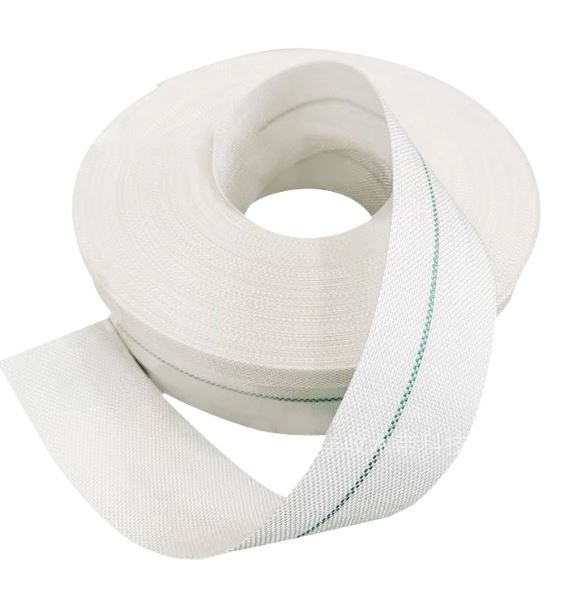
Figure 3: Rigorous quality assurance testing ensures the reliability and longevity of layflat hoses.
Customer Support and Trustworthiness
Exceptional product quality must be complemented by robust customer support and clear commitments to foster enduring B2B partnerships.
Frequently Asked Questions (FAQ)
- Q: What is the typical service life of a PE layflat hose?
- A: Under normal operating conditions and proper maintenance, Kebinghose PE layflat hoses are engineered for a service life ranging from 5 to 10 years, frequently surpassing this in less demanding applications.
- Q: Can these hoses be used with high-pressure pumps?
- A: Yes, our PE layflat hoses are designed with various pressure ratings, including options suitable for high-pressure discharge from industrial pumps. Consult our technical team for specific pump compatibility and pressure requirements.
- Q: Are bespoke hose lengths and diameters available?
- A: Absolutely. Kebinghose specializes in customized solutions, offering bespoke diameters, lengths, and pressure ratings to precisely match your project specifications.
- Q: How should these hoses be stored?
- A: To maximize service life, store layflat hoses coiled in a cool, dry place away from direct sunlight and sharp objects. Ensure they are free of residual fluids to prevent stagnation or chemical degradation.
Lead Time and Fulfillment
Standard orders for Kebinghose PE layflat hoses typically have a lead time of 2-4 weeks, depending on order volume and specific product configurations. For complex customized solutions, lead times will be communicated clearly upon project specification and material procurement. Our logistics team is committed to ensuring efficient and timely delivery to minimize any impact on your project timelines.
Warranty Commitments
Kebinghose proudly offers a standard 1-year limited warranty on its PE layflat hoses, covering manufacturing defects and material failures under normal operating conditions. Extended warranty options are available for specific projects and high-volume orders, subject to detailed terms and conditions, providing clients with enhanced peace of mind.
Dedicated Customer Support and After-Sales Service
Our expert customer support team is readily available to provide technical assistance, address any inquiries, facilitate order tracking, and offer comprehensive after-sales support. We furnish detailed product documentation, practical installation guidelines, and efficient troubleshooting advice to ensure the optimal performance and enduring satisfaction of our clients.
Conclusion
PE layflat hoses represent a sophisticated and highly effective solution for critical fluid transfer applications across a multitude of industrial, agricultural, and municipal environments. Their advanced material properties, precision manufacturing, and compelling operational advantages—including exceptional flexibility, superior corrosion and abrasion resistance, energy efficiency, and ease of deployment—establish them as an invaluable asset for optimizing fluid management systems. As industries continue to navigate evolving demands for sustainability and operational efficiency, the strategic adoption of high-quality, reliable layflat hose technology, such as Kebinghose's PE Layflat Hoses, will be pivotal for achieving enhanced performance, reducing costs, and ensuring long-term success. Partnering with a manufacturer distinguished by its commitment to expertise, quality, and tailored solutions is crucial for leveraging the full potential of these essential components.
References
- International Organization for Standardization. ISO 1402:2009. Rubber and plastics hoses and hose assemblies — Hydrostatic testing.
- MarketsandMarkets. (2022). Industrial Hose Market - Global Forecast to 2027. (Abstracts and data points from reputable market research organizations are typically integrated into industry reports).
- American Society for Testing and Materials (ASTM). Various standards for plastic piping and hose materials. (Specific standards like ASTM D2239 for polyethylene plastic pipe are relevant).
- Polyethylene Handbook: Theory and Industrial Application (A general reference for polymer science and manufacturing of PE products).
- Food and Agriculture Organization of the United Nations (FAO). (2020). Coping with water scarcity in agriculture: A global perspective of water use in agriculture. (General context for irrigation and water management needs).
-
High Strength Industrial Clear Braided PVC Hose Pipe GuideNewsApr.16,2026
-
Industrial Reinforced Braided PVC Hose for Fluid Transfer GuideNewsApr.09,2026
-
Comprehensive Guide to Braided PVC Tubing Applications and BenefitsNewsApr.07,2026
-
Comprehensive Guide to Braided Clear Vinyl Tubing Applications and BenefitsNewsApr.04,2026
-
Comprehensive Guide to PVC Braided Hose Applications and SelectionNewsMar.31,2026
-
Comprehensive Guide to Selecting the Best Double Welding Hose for Your NeedsNewsMar.28,2026
 Afrikaans
 Albanian
 Arabic
 Azerbaijani
 Belarusian
 Bengali
 Bulgarian
 Czech
Czech
 Danish
 Dutch
Dutch
 Finnish
 French
 German
 Greek
Greek
 Hebrew
 Hindi
Hindi
 Hungarian
 Indonesian
 Irish
Irish
 Italian
 Japanese
 Kazakh
 Korean
 Kyrgyz
 Lao
Lao
 Latin
Latin
 Lithuanian
 Luxembourgish
 Malay
Malay
 Mongolian
 Myanmar
 Nepali
 Norwegian
 Persian
 Polish
 Portuguese
 Russian
 Serbian
 Slovak
 Spanish
 Swedish
 Tagalog
 Thai
Thai
 Turkish
 Ukrainian
 Uighur
 Uzbek
Uzbek
 Vietnamese
 Welsh
Welsh
 English