


Premium Aluminium Foil Flexible Duct for HVAC & Ventilation
Introduction to Aluminium Foil Flexible Duct and Industry Trends
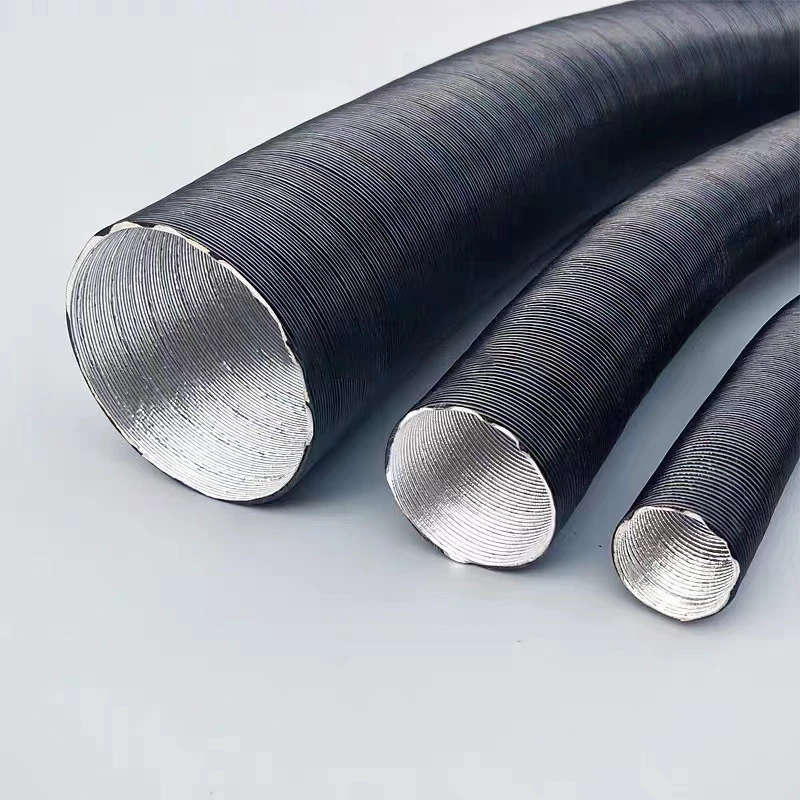
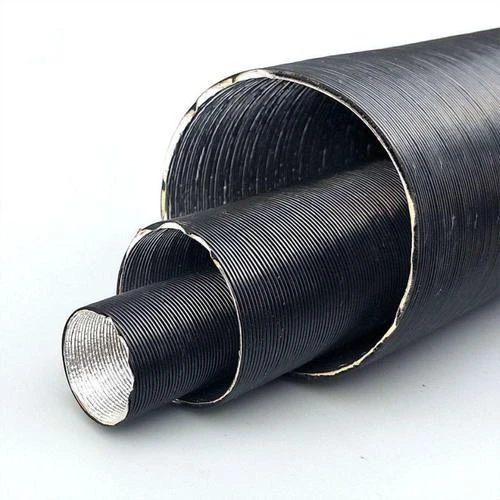
In the intricate landscape of industrial air distribution and ventilation, the efficiency and reliability of ducting systems are paramount. Among the diverse range of solutions, aluminium foil flexible duct stands out as a critical component, widely adopted across various sectors for its adaptability and performance. This product, also known as aluminium foil duct or aluminum foil duct hose, is engineered to convey hot and cold air, fumes, and light particulate matter with exceptional efficiency.
The global market for flexible ducting, particularly that derived from aluminum foil, is experiencing robust growth. Driven by increasing urbanization, industrial expansion, and stringent building energy efficiency regulations, the demand for high-performance HVAC and ventilation systems continues to rise. Industry analysis indicates a compound annual growth rate (CAGR) of over 5% for the flexible duct market, with a significant portion attributed to metal-based options like those utilizing aluminum foil. Key drivers include the product's lightweight nature, ease of installation, and inherent resistance to corrosion and fire, making it an indispensable asset in modern construction and industrial applications. Furthermore, the burgeoning demand from specialized applications such as diesel heater exhaust systems and portable cooling units underscores its versatility.
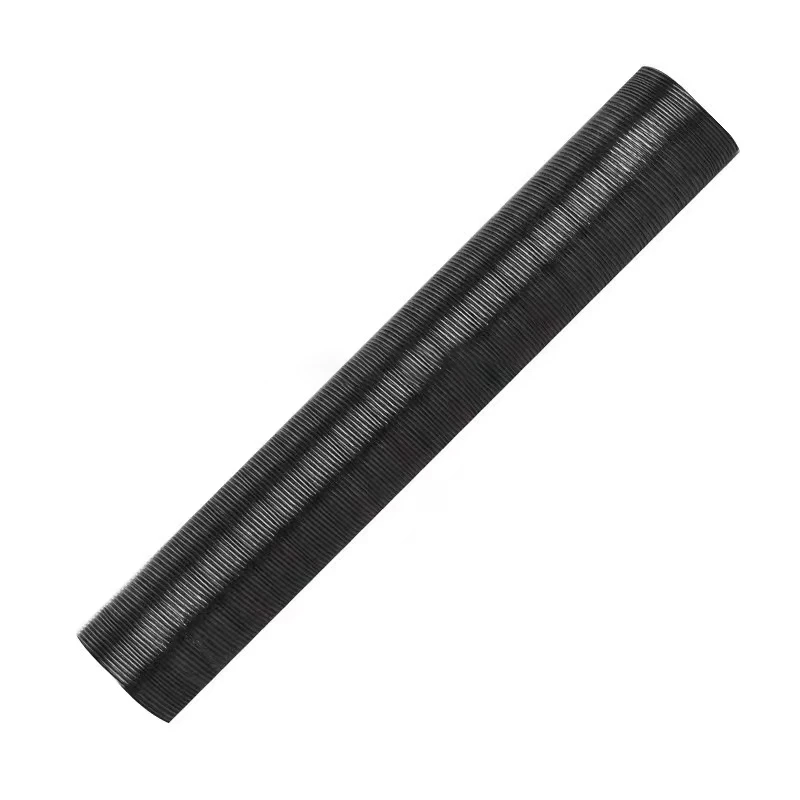
Manufacturing Process of Strong Aluminium Foil Flexible Duct
The production of aluminium foil flexible duct is a sophisticated process designed to ensure durability, flexibility, and optimal performance under various operating conditions. This multi-stage manufacturing process combines advanced material science with precision engineering to create a product that meets rigorous industry standards. Key materials typically include multiple layers of pure aluminum foil, often laminated with polyester film for enhanced strength and air tightness, reinforced by a high-tensile spring steel wire helix.
Process Flow Overview:
- Material Selection and Preparation: High-grade aluminum foil (typically 0.03mm to 0.04mm thickness) is chosen for its excellent thermal properties and corrosion resistance. This is often combined with a resilient polyester film to form a multi-ply laminate, ensuring superior tensile strength and puncture resistance. The reinforcing element, a high-carbon spring steel wire, is selected for its robust structural integrity and flexibility.
- Lamination Process: The aluminum foil and polyester film layers are meticulously bonded together using advanced adhesive systems under controlled temperature and pressure. This lamination is critical for creating a durable, tear-resistant, and airtight material web.
- Helix Wire Integration: The laminated material is then fed into specialized forming machinery. Concurrently, the spring steel wire, often pre-coated for corrosion protection, is spirally wound into the material. This helical wire acts as the primary structural support, maintaining the duct's shape and allowing for significant flexibility without collapse.
- Duct Forming and Sealing: As the wire is integrated, the laminated material is precisely crimped and sealed around the wire, forming a continuous, airtight seam. Modern machinery often utilizes robotic arms and advanced sealing technologies (e.g., ultrasonic welding or high-frequency induction) to ensure consistent, leak-proof seams along the entire length of the duct.
- Cutting and Finishing: The continuous duct is then cut to specified lengths, typically using automated cutting systems for precision. Ends are often prepared for easy connection, and any burrs are removed.
- Quality Control and Testing: Each batch undergoes rigorous testing to ensure compliance with international standards such as ISO 9001 for quality management, and ASTM E84 for fire and smoke propagation characteristics. Tests include air leakage rates, burst pressure, tensile strength, temperature resistance, and flexibility assessments. For instance, typical air leakage rates are often less than 1% at 2500 Pa, significantly contributing to energy efficiency.
Service Life and Target Industries:
Due to the robust construction and high-quality materials, the service life of a well-maintained aluminium foil flexible duct can exceed 15-20 years in standard operating conditions. Its resistance to degradation from UV exposure, humidity, and temperature fluctuations further extends its operational lifespan. Target industries leveraging these advantages include:
- HVAC & Building Services: For air conditioning, heating, and ventilation systems in commercial, residential, and industrial buildings.
- Industrial Ventilation: Fume extraction, dust collection, and general air circulation in manufacturing plants, workshops, and chemical facilities.
- Automotive & Marine: Specialized applications like diesel heater tubing, exhaust ventilation in vehicles and vessels, and air distribution within enclosed spaces.
- Portable Equipment: Connecting portable heaters, air conditioners, and dehumidifiers for temporary or localized air management.
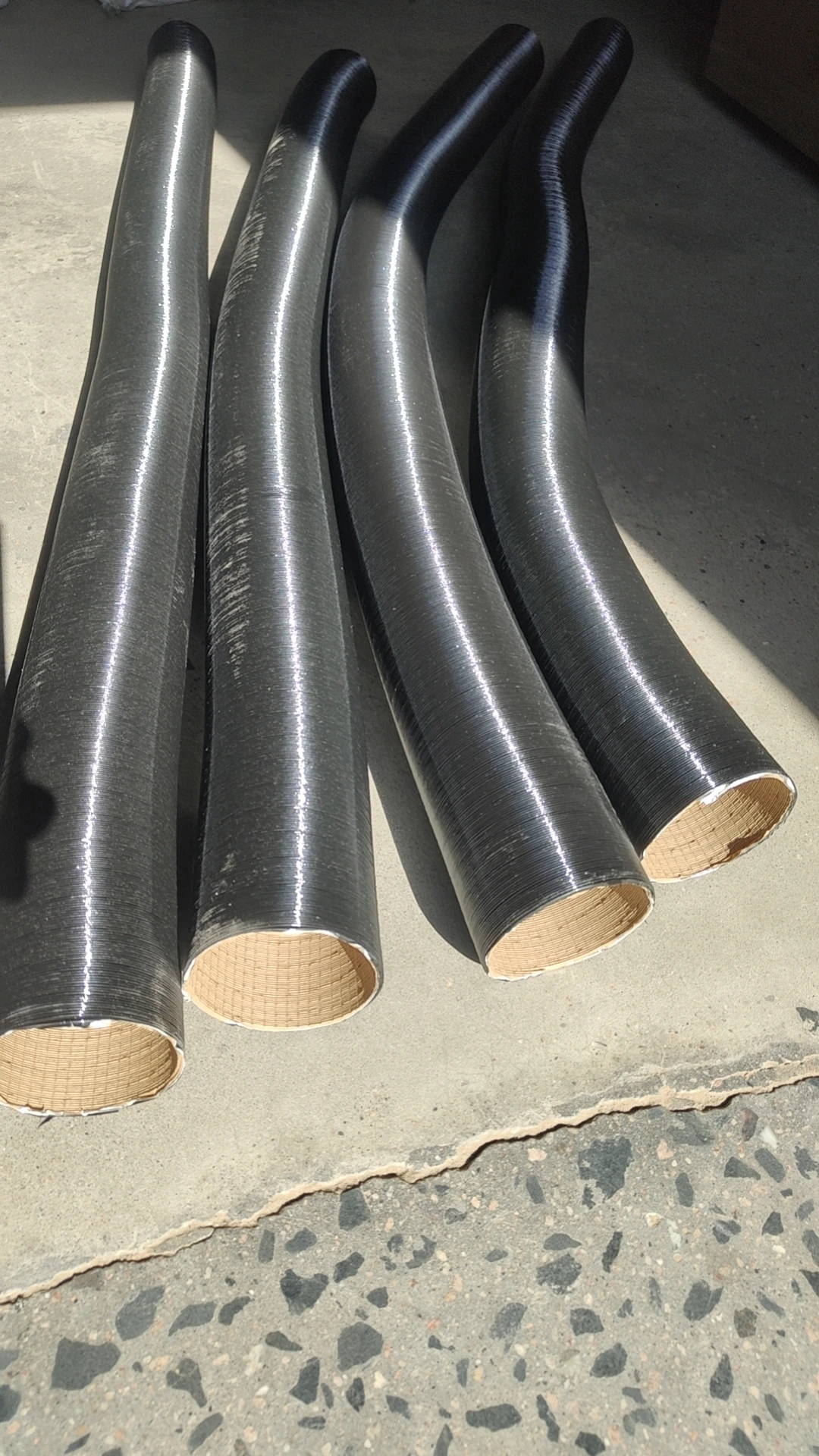
Technical Specifications and Parameters of Aluminium Foil Duct
Understanding the precise technical specifications of aluminium foil flexible duct is crucial for engineers and procurement specialists to ensure optimal system design and operational efficiency. These parameters dictate the suitability of the ducting for specific environmental conditions and performance requirements.
Typical Product Specifications: Diesel Heater Tube Aluminum Foil Tubes
| Parameter | Specification | Notes |
|---|---|---|
| Product Name | Diesel Heater Tube Aluminum Foil Tubes for Hot & Cold Air Distribution | Optimized for robust performance |
| Material Composition | Multi-ply Aluminum Foil + Polyester Film Laminate with High-Tensile Steel Wire Helix | Ensures strength, flexibility, and temperature resistance |
| Diameter Range (ID) | 60mm, 75mm, 90mm, 100mm, 120mm, 150mm, 175mm, 200mm, 250mm, 300mm (Custom available) | Standard sizes for common applications; bespoke solutions possible |
| Temperature Range | -30°C to +150°C (-22°F to +302°F) continuous | Suitable for both hot and cold air distribution |
| Maximum Air Velocity | 30 m/s (5900 FPM) | Ensures efficient airflow without excessive friction loss |
| Maximum Operating Pressure | +2500 Pa (10 in. w.g.) | Capable of handling significant positive pressure |
| Minimum Bend Radius | 0.6 x Diameter | Exceptional flexibility for tight installations |
| Fire Resistance | Meets ASTM E84 Class 1 / UL 181 (where applicable) | Enhanced safety in demanding environments |
| Length | Standard 10m (33 ft) compressed to 1.2m (4 ft), custom lengths available | Efficient storage and transportation, flexible deployment |
| Air Leakage Rate | Less than 0.5% at 2500 Pa | Optimized for energy efficiency |
These specifications highlight the engineering precision behind `aluminium foil duct`, demonstrating its capability to perform reliably in a broad spectrum of B2B applications, from critical HVAC systems to specialized industrial equipment.
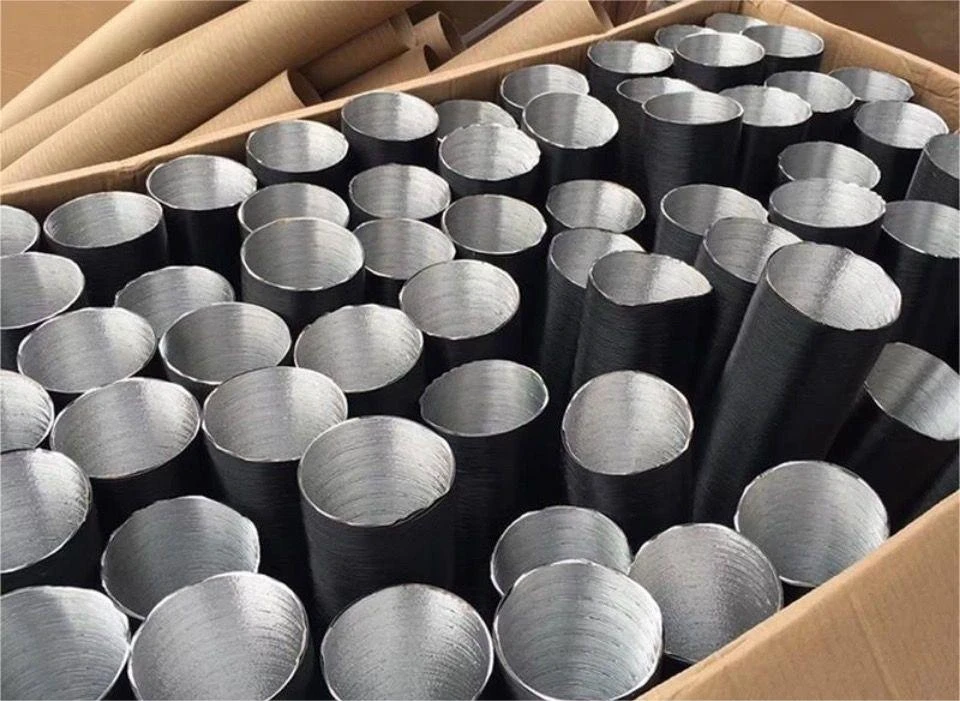
Key Technical Advantages of Aluminium Foil Flexible Duct
The widespread adoption of aluminium foil flexible duct is a testament to its compelling technical advantages, which translate directly into operational efficiencies and cost savings for businesses. These benefits are particularly pronounced in demanding industrial and commercial environments where reliability and performance cannot be compromised.
- Superior Flexibility and Ease of Installation: The helical wire reinforcement allows for exceptional bend radius and compression capabilities, enabling installers to navigate complex layouts with minimal fittings. This significantly reduces installation time and labor costs compared to rigid ducting systems. Its ability to be easily cut to length on-site further streamlines project execution.
- Excellent Thermal Insulation Properties: The aluminum foil layers inherently offer good thermal reflectivity, which, when combined with proper insulation, minimizes heat loss or gain. This contributes directly to energy savings in HVAC systems by maintaining the desired air temperature more effectively, reducing the load on heating and cooling units.
- High Corrosion Resistance: Aluminum is naturally resistant to oxidation and many corrosive agents commonly found in industrial atmospheres. This makes it an ideal choice for applications exposed to humidity, chemical fumes, or outdoor elements, ensuring a longer service life and reduced maintenance.
- Fire Safety and Compliance: Manufactured to meet stringent fire safety standards such as ASTM E84 Class 1, these ducts exhibit low flame spread and smoke development characteristics. This crucial feature enhances occupant safety and ensures compliance with building codes, particularly in commercial and public structures.
- Lightweight Design: Compared to rigid metal ducting, the lightweight nature of aluminum foil duct hose simplifies handling, transportation, and installation, reducing structural load requirements and making it easier to maneuver in confined spaces.
- Acoustic Dampening: The flexible construction and material composition can contribute to a degree of noise reduction compared to rigid ducts, improving the acoustic environment in ventilated spaces.
These technical attributes underscore the value proposition of using high-quality aluminum foil ducting, ensuring not only operational efficiency but also enhanced safety and longevity for critical air distribution systems.
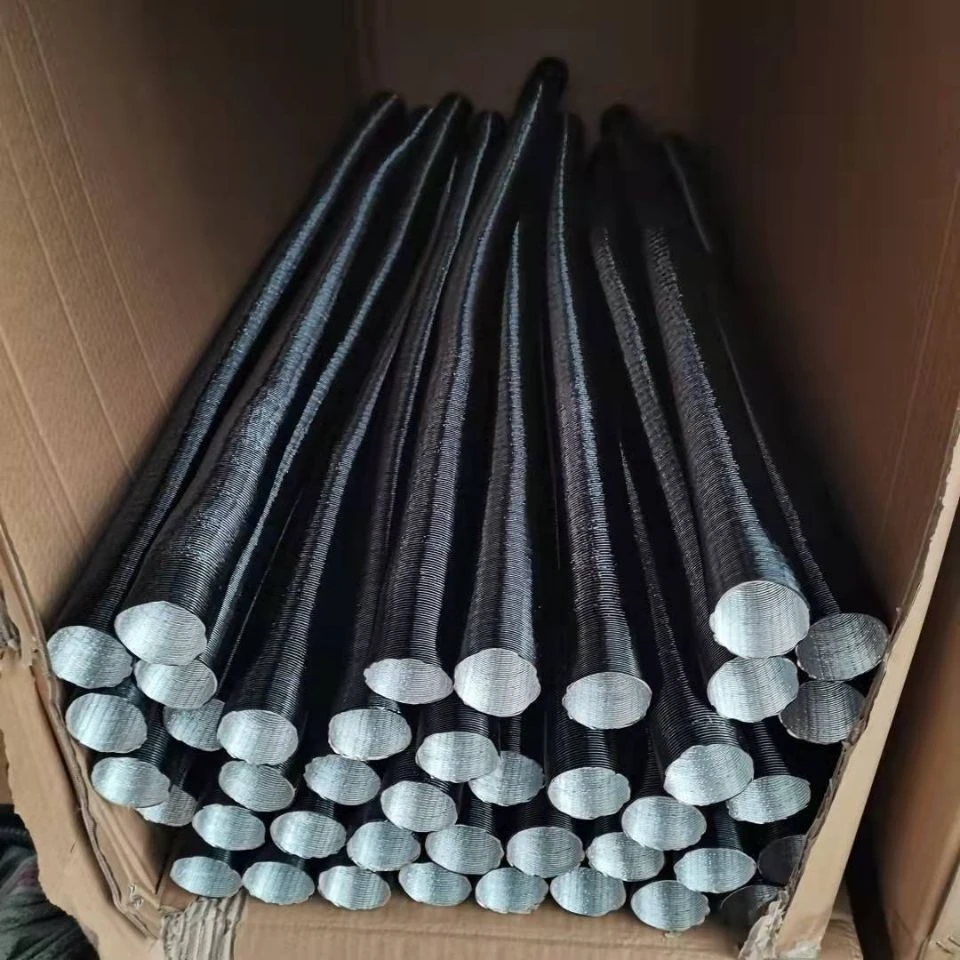
Application Scenarios and Case Studies for Aluminium Foil Ducting
The versatility of aluminium foil flexible duct makes it indispensable across a wide array of industrial and commercial applications. Its ability to handle diverse air streams, combined with its flexibility, positions it as a preferred solution where rigid ducting is impractical or inefficient.
Typical Application Scenarios:
- HVAC Systems for Commercial Buildings: Used as branch ducts connecting main plenums to diffusers, especially in drop ceilings or tight spaces where precise routing is needed.
- Industrial Exhaust and Fume Extraction: Essential for removing welding fumes, chemical vapors, and light dust from manufacturing areas to ensure worker safety and regulatory compliance.
- Diesel Heater Exhaust Systems: Specifically designed versions, like the Diesel Heater Tube Aluminum Foil Tubes, are critical for safely venting hot exhaust gases from portable diesel heaters in garages, workshops, and temporary structures, preventing carbon monoxide buildup.
- Dust Collection in Woodworking/Metalworking Shops: Connects machinery to central dust collectors, allowing for flexible positioning of equipment and efficient particulate removal.
- Temporary Ventilation and Cooling: Utilized with portable air conditioners, fans, and dehumidifiers for event spaces, construction sites, and emergency cooling operations.
- Automotive and Marine Ventilation: For engine room ventilation, bilge air extraction, or cabin heating/cooling distribution in vehicles and boats.
Customer Feedback and Case Studies:
Case Study 1: Large Scale Industrial Workshop Ventilation
A major automotive manufacturing plant in the Midwest faced challenges with localized fume extraction above welding stations. Rigid ducting proved cumbersome and costly to install due to the dynamic layout of the production line. Implementing flexible aluminum foil duct of 200mm diameter allowed for rapid deployment and easy reconfiguration as work cells changed. The plant reported a 40% reduction in installation time and significant improvement in air quality, with measured particulate matter levels dropping by 65% in targeted zones, directly enhancing worker health and safety according to OSHA standards.
Case Study 2: Remote Construction Site Heating
During winter construction on a remote pipeline project, consistent heating for temporary shelters and equipment thaw zones was vital. Traditional heating methods were inefficient. By integrating Diesel Heater Tube Aluminum Foil Tubes (100mm diameter) with portable diesel heaters, the project management team achieved efficient heat distribution. Feedback from site engineers highlighted the ducts' extreme durability in sub-zero temperatures (-25°C) and the ease with which workers could extend or retract the ducting, confirming its practical utility in harsh conditions. The fire-resistant properties were particularly valued, enhancing safety protocols on site.
These real-world examples underscore the practical utility, reliability, and performance advantages that businesses gain by incorporating high-quality aluminum foil flexible ducting into their operations.
Vendor Comparison and Customized Solutions for Aluminium Foil Duct
Selecting the right supplier for aluminium foil flexible duct is a critical decision for B2B clients, impacting project timelines, operational efficiency, and long-term cost of ownership. A thorough vendor comparison should extend beyond mere price points to encompass product quality, technical support, customization capabilities, and adherence to international standards.
Key Factors for Vendor Comparison:
- Certifications and Compliance: Verify adherence to ISO 9001 (Quality Management), ASTM E84 (Fire Rating), RoHS (Hazardous Substances), and CE marking for European markets.
- Material Purity and Lamination Quality: Inquire about the grade of aluminum foil and the bonding strength of the polyester laminate. Inferior materials lead to premature failure.
- Spring Steel Wire Gauge and Coating: A robust wire gauge ensures structural integrity, while anti-corrosion coatings extend lifespan.
- Manufacturing Consistency: Look for vendors with automated production lines and stringent QC protocols that ensure consistent wall thickness, seam integrity, and diameter.
- Technical Support and R&D: A reputable vendor offers expert advice, engineering support, and invests in product innovation.
Product Comparison Table: Flexible Duct Types
| Feature | Aluminium Foil Flexible Duct | Insulated Flexible Duct (R-Value 4.2) | Non-Metallic (e.g., PVC/Fabric) Flexible Duct |
|---|---|---|---|
| Primary Material | Aluminum Foil, Polyester Film, Steel Wire | Aluminum/Polyester Core, Fiberglass Insulation, Vapor Barrier Jacket | PVC, Fabric, Plastic Helix |
| Temperature Range | -30°C to +150°C | -30°C to +100°C | -10°C to +80°C (varies) |
| Fire Rating (ASTM E84) | Class 1 (FSD/SD | Class 1 (FSD/SD | Often Class 2 or lower (FSD/SD > 25/50) |
| Thermal Performance | Good reflectivity, minimal inherent insulation | Excellent insulation (high R-value) | Poor inherent insulation |
| Corrosion Resistance | High (Aluminum) | High (Core), Vapor Barrier protects insulation | Varies (PVC good, fabric moderate) |
| Typical Applications | General ventilation, exhaust, diesel heaters, industrial fumes (where insulation is external or not primary) | HVAC supply/return in conditioned spaces, minimizing energy loss | Light duty exhaust, low-temp ventilation, residential bath fans |
Customized Solutions:
Leading manufacturers recognize that off-the-shelf solutions may not always meet every unique project requirement. Customization options for aluminium foil flexible duct include:
- Specific Diameters and Lengths: Beyond standard ranges, manufacturers can produce ducts to exact diameter and cut lengths to minimize waste and optimize installation.
- Reinforcement Levels: Variations in steel wire gauge or pitch can enhance crush resistance or flexibility depending on the application's demands.
- Specialized Coatings or Laminates: For environments requiring enhanced chemical resistance or specific thermal properties, specialized films or internal coatings can be integrated.
- Integrated Connectors: Pre-attached flanges or collars can be factory-fitted to reduce on-site assembly time and ensure secure connections.
Partnering with a manufacturer capable of delivering these bespoke solutions ensures that your specific project requirements are not just met, but optimized for performance and longevity.
Trustworthiness, Support, and Guarantees
For B2B clients, establishing trust with a supplier extends beyond product specifications; it encompasses reliable service, transparent commitments, and robust after-sales support. A reputable manufacturer of aluminium foil flexible duct ensures complete peace of mind through comprehensive support structures.
Frequently Asked Questions (FAQ):
- Q1: What is the typical lead time for standard orders?
- A1: For standard sizes and quantities, our typical lead time is 7-14 business days from order confirmation. Expedited options are available for urgent requirements, please consult with our sales team.
- Q2: Can these ducts be used for outdoor applications?
- A2: Yes, the aluminum foil construction offers excellent UV and weather resistance. For prolonged outdoor exposure, especially in harsh conditions, we recommend reviewing specific product variants and potentially adding external protective wraps for enhanced longevity.
- Q3: How does the duct's flexibility impact airflow resistance?
- A3: While flexible ducts inherently have higher friction loss than rigid sheet metal ducts due to their corrugated interior, our products are engineered to minimize this. Careful installation, avoiding excessive bends or tight turns, will ensure optimal airflow and minimize pressure drop. Consult our technical data sheets for specific friction loss coefficients.
- Q4: Are these ducts suitable for chemical fume extraction?
- A4: Aluminum offers good resistance to many chemicals. However, for specific aggressive chemical fumes, we recommend assessing the chemical compatibility with aluminum and the polyester laminate. We offer specialized flexible ducting with enhanced chemical resistance for such applications.
Lead Time & Fulfillment:
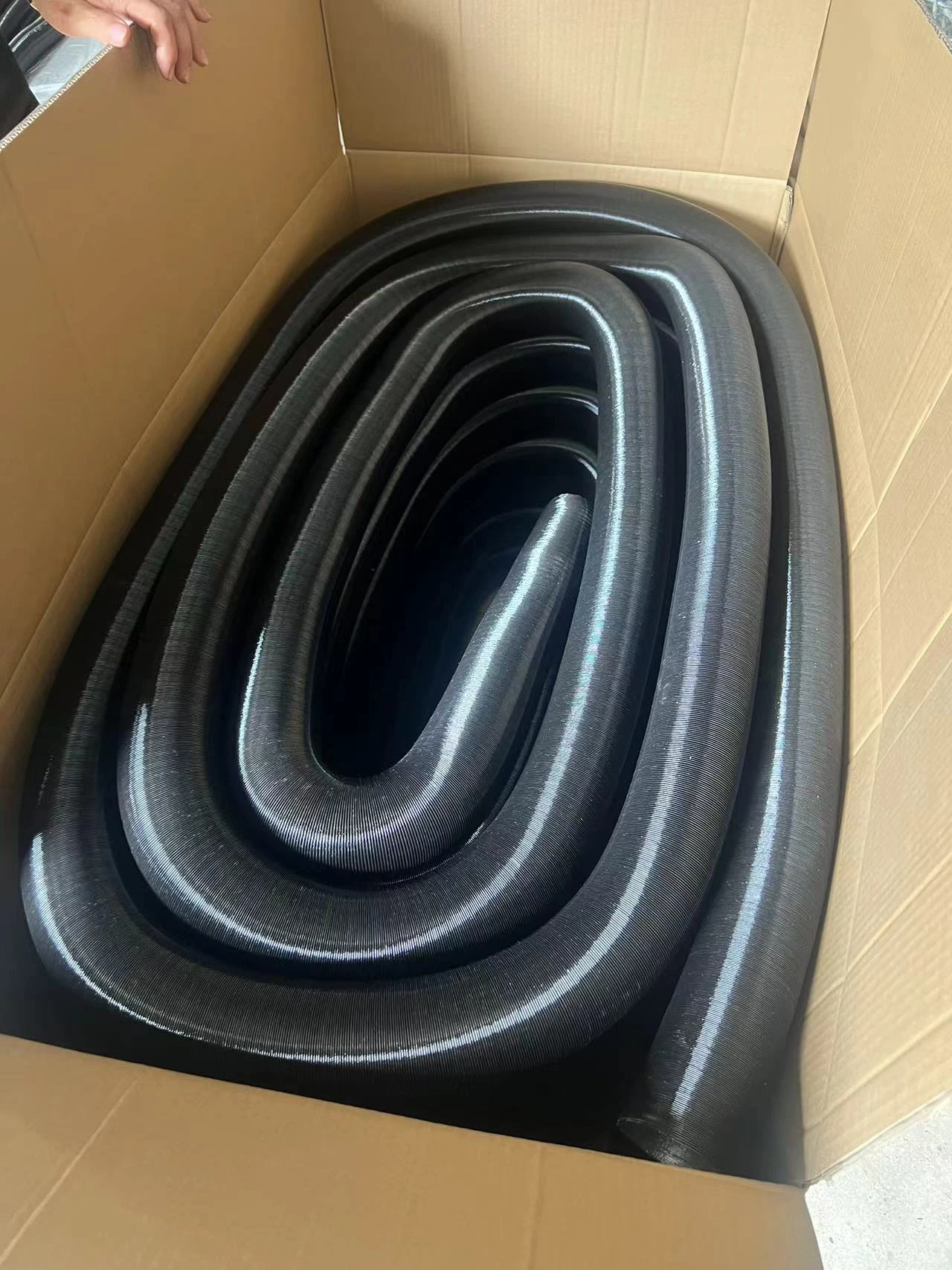
We maintain efficient production lines and a robust supply chain to ensure timely delivery. Standard orders are typically fulfilled within 7-14 business days. For large-volume projects or customized solutions, a dedicated project manager will provide a detailed fulfillment schedule. Our logistics team collaborates with trusted carriers to ensure secure and on-time delivery globally.
Warranty Commitments:
Our aluminium foil flexible duct products are backed by a comprehensive 5-year warranty against manufacturing defects and material failures under normal operating conditions. This commitment reflects our confidence in the quality and durability of our products, ensuring long-term performance and minimizing operational risks for our clients. Full warranty details are available upon request.
Dedicated Customer Support:
Our commitment to our clients extends beyond the sale. We offer dedicated technical support from experienced engineers and sales professionals ready to assist with product selection, installation guidance, and troubleshooting. Our support channels include direct phone lines, email support, and an online resource center. We are committed to providing prompt, knowledgeable assistance to ensure your systems operate efficiently and effectively throughout their lifespan. Our operations are certified under ISO 9001, affirming our unwavering commitment to quality management and customer satisfaction.
Conclusion
The strategic integration of high-quality aluminium foil flexible duct into industrial and commercial ventilation systems offers a compelling combination of flexibility, durability, and performance. Its robust construction, adherence to stringent industry standards, and demonstrated efficacy across diverse application scenarios make it an invaluable component for critical air distribution needs. By prioritizing detailed technical specifications, robust manufacturing processes, and comprehensive customer support, businesses can leverage this essential product to enhance operational efficiency, ensure safety, and achieve long-term cost-effectiveness.
References
- American Society for Testing and Materials (ASTM) International. (2020). ASTM E84-20: Standard Test Method for Surface Burning Characteristics of Building Materials.
- International Organization for Standardization (ISO). (2015). ISO 9001:2015 - Quality management systems — Requirements.
- Air Conditioning Contractors of America (ACCA). (2018). ACCA Manual D: Residential Duct Systems Design.
- The Sheet Metal and Air Conditioning Contractors’ National Association (SMACNA). (2012). HVAC Duct Construction Standards — Metal and Flexible.
-
High Strength Industrial Clear Braided PVC Hose Pipe GuideNewsApr.16,2026
-
Industrial Reinforced Braided PVC Hose for Fluid Transfer GuideNewsApr.09,2026
-
Comprehensive Guide to Braided PVC Tubing Applications and BenefitsNewsApr.07,2026
-
Comprehensive Guide to Braided Clear Vinyl Tubing Applications and BenefitsNewsApr.04,2026
-
Comprehensive Guide to PVC Braided Hose Applications and SelectionNewsMar.31,2026
-
Comprehensive Guide to Selecting the Best Double Welding Hose for Your NeedsNewsMar.28,2026
 Afrikaans
 Albanian
 Arabic
 Azerbaijani
 Belarusian
 Bengali
 Bulgarian
 Czech
Czech
 Danish
 Dutch
Dutch
 Finnish
 French
 German
 Greek
Greek
 Hebrew
 Hindi
Hindi
 Hungarian
 Indonesian
 Irish
Irish
 Italian
 Japanese
 Kazakh
 Korean
 Kyrgyz
 Lao
Lao
 Latin
Latin
 Lithuanian
 Luxembourgish
 Malay
Malay
 Mongolian
 Myanmar
 Nepali
 Norwegian
 Persian
 Polish
 Portuguese
 Russian
 Serbian
 Slovak
 Spanish
 Swedish
 Tagalog
 Thai
Thai
 Turkish
 Ukrainian
 Uighur
 Uzbek
Uzbek
 Vietnamese
 Welsh
Welsh
 English