


Polyurethane Tube: Durable and Flexible Industrial Tubing Solutions
Why Polyurethane Tube Remains an Industrial Staple
Having spent over a decade in the industrial equipment sector, I can say firsthand that not all tubing materials are created equal. Polyurethane tube still really holds its ground where flexibility, durability, and chemical resistance are concerned. It’s the kind of product engineers often swear by, even when newer polymers crop up.
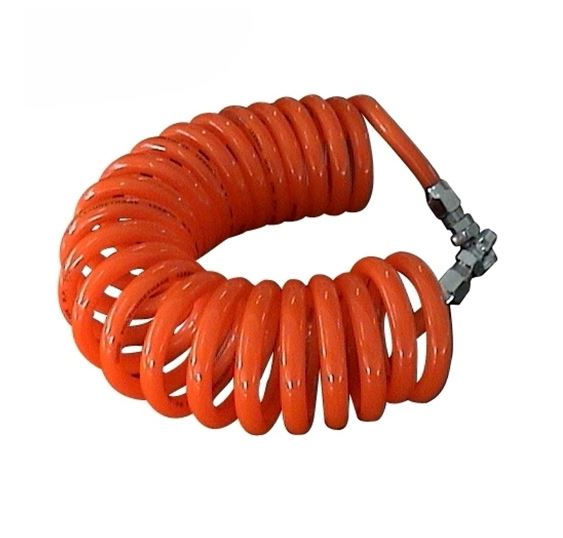
Polyurethane tubing feels like the quiet workhorse in a noisy manufacturing plant—robust yet elastic, tough but somewhat “friendly” to handle. Many of my colleagues in pneumatics and fluid transfer applications praise it for not kinking easily and lasting significantly longer compared to, say, PVC or rubber alternatives. There’s a unique toughness to it that’s partly why it’s found in everything from robotics to paint sprayers.
Oddly enough, the chemistry behind polyurethane is both simple and complex. It’s essentially a polymer made by reacting a polyol with an isocyanate. This combination yields tubes that boast impressive abrasion resistance and flexibility over a huge temperature range, often between -40°C and +90°C. That’s especially handy in harsher factory environments where sudden drops or spikes in temperature are practically routine.
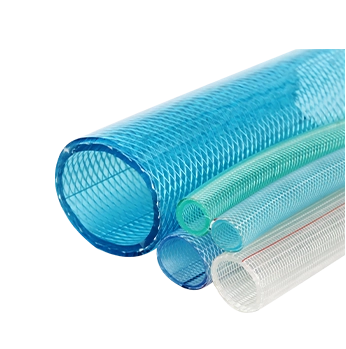
One of the things I’ve noticed over the years is how customizable polyurethane tubing can be. It often comes kink-resistant and transparent or colored, depending on the application, plus variations in hardness let engineers dial in exactly how stiff or pliable they want the tube. There’s even medical-grade polyurethane tubing used for certain food and pharmaceutical processing tasks.
Here’s a quick snapshot of typical polyurethane tube specifications that are pretty standard in industrial use:
| Specification | Details |
|---|---|
| Material Type | Polyurethane (TPU) |
| Temperature Range | -40°C to +90°C |
| Color Variants | Clear, Blue, Black, Custom |
| Tensile Strength | 35-50 MPa |
| Hardness (Shore A) | 70-98 (varies by grade) |
| Typical Uses | Pneumatic lines, fuel lines, cable protection |
In terms of sourcing, having worked with several suppliers, I found these three leading vendors all offer polyurethane tubes but with subtle variations worth noting:
| Vendor | Pricing | Custom Options | Material Quality | Lead Time |
|---|---|---|---|---|
| Kebing Hose | Competitive | Excellent, color & hardness | High-grade TPU | 2-4 weeks |
| Vendor B | Mid-range | Limited colors | Standard TPU | 3-5 weeks |
| Vendor C | Higher-end | Custom sizes only | Premium TPU | 1-3 weeks |
There was an interesting case with a client who needed a highly abrasion-resistant pneumatic tube for an automated packing line. They tried typical rubber initially and frequently faced downtime due to cuts and wear. Switching to polyurethane tube from Kebing Hose not only improved machine uptime but also made maintenance a breeze—go figure.
Frankly, in real terms, polyurethane tubing seems to combine the best of several worlds—more flexible than most plastics, more durable than rubber, and often more cost-effective than specialty elastomers. If you’re in manufacturing or equipment maintenance, it’s always worth keeping an eye on how suppliers like polyurethane tube can solve those stubborn hose failures.
Whether you’re specifying bulk fluid transfer lines, protective sheathing, or something custom, this material remains a reliable choice. And odd as it sounds, sometimes the simplest components can save you the most headaches.
Cheers to smooth-running lines and fewer unscheduled stops!
References:
- Manufacturing Industry Insights, 2023
- Polyurethane Chemistry Basics, Polymer Science Journal, 2022
- Kebing Hose Product Catalog, 2024
-
High Strength Industrial Clear Braided PVC Hose Pipe GuideNewsApr.16,2026
-
Industrial Reinforced Braided PVC Hose for Fluid Transfer GuideNewsApr.09,2026
-
Comprehensive Guide to Braided PVC Tubing Applications and BenefitsNewsApr.07,2026
-
Comprehensive Guide to Braided Clear Vinyl Tubing Applications and BenefitsNewsApr.04,2026
-
Comprehensive Guide to PVC Braided Hose Applications and SelectionNewsMar.31,2026
-
Comprehensive Guide to Selecting the Best Double Welding Hose for Your NeedsNewsMar.28,2026
 Afrikaans
 Albanian
 Arabic
 Azerbaijani
 Belarusian
 Bengali
 Bulgarian
 Czech
Czech
 Danish
 Dutch
Dutch
 Finnish
 French
 German
 Greek
Greek
 Hebrew
 Hindi
Hindi
 Hungarian
 Indonesian
 Irish
Irish
 Italian
 Japanese
 Kazakh
 Korean
 Kyrgyz
 Lao
Lao
 Latin
Latin
 Lithuanian
 Luxembourgish
 Malay
Malay
 Mongolian
 Myanmar
 Nepali
 Norwegian
 Persian
 Polish
 Portuguese
 Russian
 Serbian
 Slovak
 Spanish
 Swedish
 Tagalog
 Thai
Thai
 Turkish
 Ukrainian
 Uighur
 Uzbek
Uzbek
 Vietnamese
 Welsh
Welsh
 English