


Need a Water Discharge Hose—Layflat, Heavy-Duty, In Stock?
The Workhorse You Forget Until You Need It: Water Discharge Hose
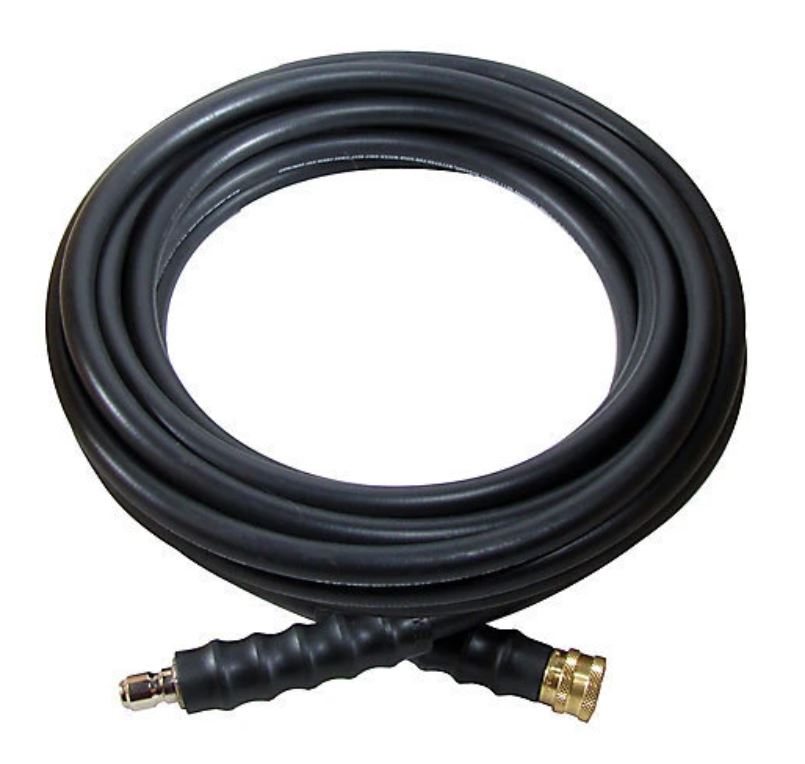
If you manage pumps, bypass lines, or dewatering on a muddy site at 5 a.m., you already know: the humble Water Discharge Hose either saves your shift or makes it twice as long. From construction pits to farm fields, the rubber tube-and-cover design with spirally wound synthetic fiber reinforcement has become the practical standard. Origin-wise, ours ships from Hongda Business 1602, Yuhua District, Shijiazhuang City, Hebei Province—yes, a serious manufacturing cluster with real test equipment, not a side shop.
What’s changing in the field
Trends? Three stand out: longer service life under UV/ozone, faster availability in custom lengths, and fittings that don’t leak after week two. Many customers say they’re moving back from disposable layflat to textile‑reinforced rubber because it tolerates abrasion, heat, and a bit of chemical splash better. Rental pump fleets—always pragmatic—seem to agree.
Process and quality (in plain language)
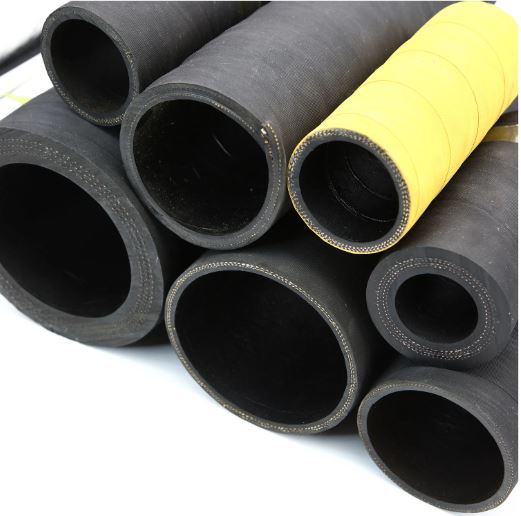
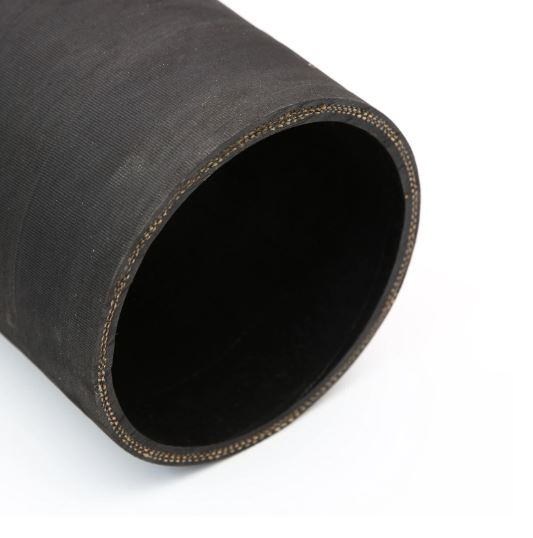
- Materials: SBR/EPDM rubber blends for the tube and cover (heat, ozone, and wear resistance); spirally wound synthetic textile plies for reinforcement.
- Methods: Mixing and calendering → hose building on mandrel → autoclave vulcanization → trimming and ID/OD check.
- Testing: Hydrostatic proof per ASTM D380; dimensional checks per ISO 1307; ozone aging per ISO 1431‑1; abrasion on cover per ISO 4649. Real‑world use may vary, obviously.
- Expected service life: ≈12–36 months in active outdoor duty; longer in sheltered, intermittent use (storage matters!).
- Industries: construction dewatering, mining, agriculture irrigation/transfer, municipal bypass, emergency flood relief, quarry washdown.
Typical specifications
| Inner diameter range | 1"–12" (25–305 mm) |
| Working pressure (WP) | ≈10–20 bar (150–300 psi), size‑dependent |
| Burst pressure | ≥3 × WP (sample verification) |
| Temperature range | −30°C to +90°C (intermittent to 100°C with EPDM) |
| Tube/Cover | SBR/EPDM, black, smooth tube; ozone‑resistant wrapped cover |
| Reinforcement | Spirally wound synthetic textile plies |
| Lengths | 3–60 m (10–200 ft), cut‑to‑length available |
| Fittings | Camlock, Bauer, flange, NPT/BSP—assembled on request |
| Standards referenced | ASTM D380, ISO 1307, ISO 1431‑1, ISO 4649 |
Vendor snapshot (quick take)
| Vendor | Origin | Certs | Customization | Lead time | MOQ | WP | Price |
|---|---|---|---|---|---|---|---|
| Kebing Hose | Shijiazhuang, Hebei | ISO 9001; RoHS/REACH compliant | ID/length/fittings/branding | ≈7–20 days | ≈100 m | Up to 20 bar | Mid |
| Brand A (import) | Mixed | ISO 9001 | Limited | ≈25–40 days | ≈300 m | 10–16 bar | Low–Mid |
| Brand B (PVC layflat) | Various | — | Color/length | ≈10–30 days | ≈200 m | 6–10 bar | Low |
Customization that actually helps
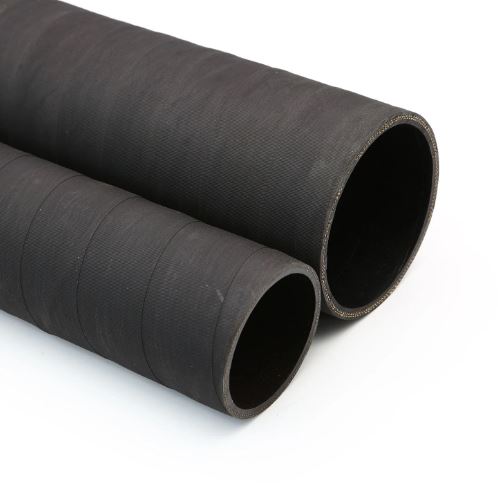
Pick your ID, cut length, and fittings (camlock/Bauer/flange), then add branding or color coding. For hotter lines or mild chemical carryover, choose an EPDM‑rich tube. For slightly oily water, we can tweak the blend; to be honest, a quick media compatibility chat saves headaches later.
Field notes and feedback
“Swapped four PVC runs for two Water Discharge Hose lines—no blowouts this season.” Construction foreman, coastal bypass job.
In a quarry dewatering case, moving to rubber textile‑reinforced hose cut replacement frequency from every 4–6 weeks to once per quarter; abrasion loss on the cover measured ≈120 mm³ (ISO 4649, sample), ozone cracks: none after 72 h at 50 pphm (ISO 1431‑1). Proof tests ran 2× WP without drift (ASTM D380). Not bad.
Where it fits best
- Construction dewatering and well‑point systems
- Municipal bypass pumping and storm response
- Agriculture: irrigation transfer and tank emptying
- Mining/quarry: sump discharge, washdown
Citations: [1] ASTM D380 — Standard Test Methods for Rubber Hose. [2] ISO 1307 — Rubber and plastics hoses — Dimensions and minimum bend radii. [3] ISO 1431‑1 — Rubber, vulcanized or thermoplastic — Resistance to ozone cracking. [4] ISO 4649 — Rubber, vulcanized — Determination of abrasion resistance.
-
High Strength Industrial Clear Braided PVC Hose Pipe GuideNewsApr.16,2026
-
Industrial Reinforced Braided PVC Hose for Fluid Transfer GuideNewsApr.09,2026
-
Comprehensive Guide to Braided PVC Tubing Applications and BenefitsNewsApr.07,2026
-
Comprehensive Guide to Braided Clear Vinyl Tubing Applications and BenefitsNewsApr.04,2026
-
Comprehensive Guide to PVC Braided Hose Applications and SelectionNewsMar.31,2026
-
Comprehensive Guide to Selecting the Best Double Welding Hose for Your NeedsNewsMar.28,2026
 Afrikaans
 Albanian
 Arabic
 Azerbaijani
 Belarusian
 Bengali
 Bulgarian
 Czech
Czech
 Danish
 Dutch
Dutch
 Finnish
 French
 German
 Greek
Greek
 Hebrew
 Hindi
Hindi
 Hungarian
 Indonesian
 Irish
Irish
 Italian
 Japanese
 Kazakh
 Korean
 Kyrgyz
 Lao
Lao
 Latin
Latin
 Lithuanian
 Luxembourgish
 Malay
Malay
 Mongolian
 Myanmar
 Nepali
 Norwegian
 Persian
 Polish
 Portuguese
 Russian
 Serbian
 Slovak
 Spanish
 Swedish
 Tagalog
 Thai
Thai
 Turkish
 Ukrainian
 Uighur
 Uzbek
Uzbek
 Vietnamese
 Welsh
Welsh
 English