


High-Performance LPG Gas Transfer Hose-Hebei Kebing Import and Export Trade Co., Ltd.|Durable|Safe
When it comes to safely and efficiently transferring liquefied petroleum gas (LPG), the LPG Gas Transfer Hose from Hebei Kebing Import and Export Trade Co., Ltd. stands out as a reliable solution. Designed for residential and industrial applications, this hose combines durability, flexibility, and safety to meet the demands of modern gas-powered equipment. In this article, we will explore the features, technical specifications, and applications of this product, along with insights into the company behind it.
Product Overview
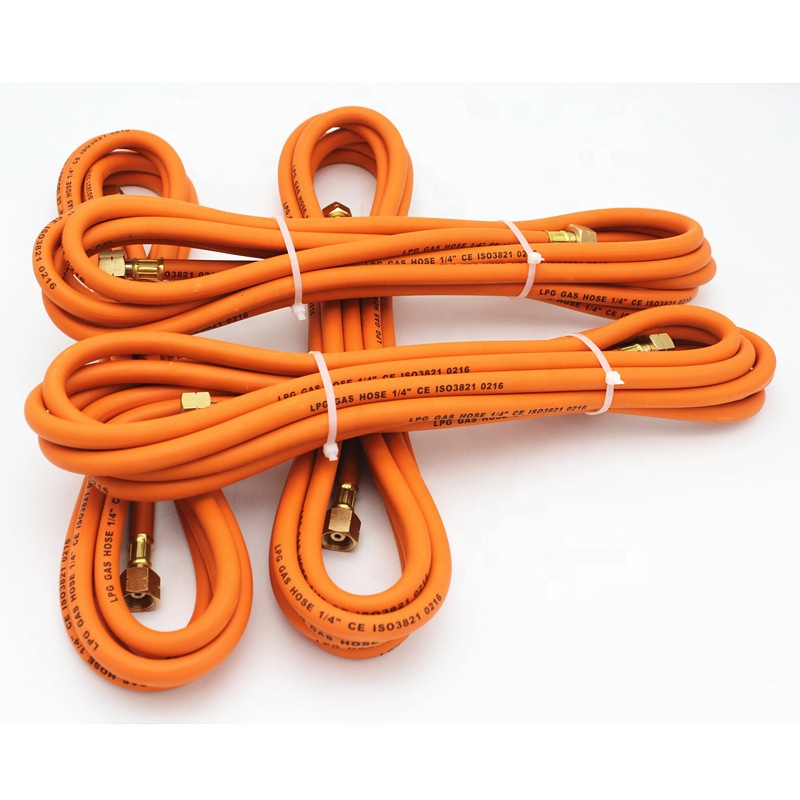
The LPG Gas Transfer Hose is a specialized hose engineered to handle low-pressure gas transfer, making it ideal for connecting LPG cylinders to stoves, furnaces, and other gas appliances. Measuring 1 meter in length, the hose is pre-cut for immediate use, eliminating the need for on-site cutting or measuring. This convenience, combined with its robust construction, ensures a seamless connection for users.
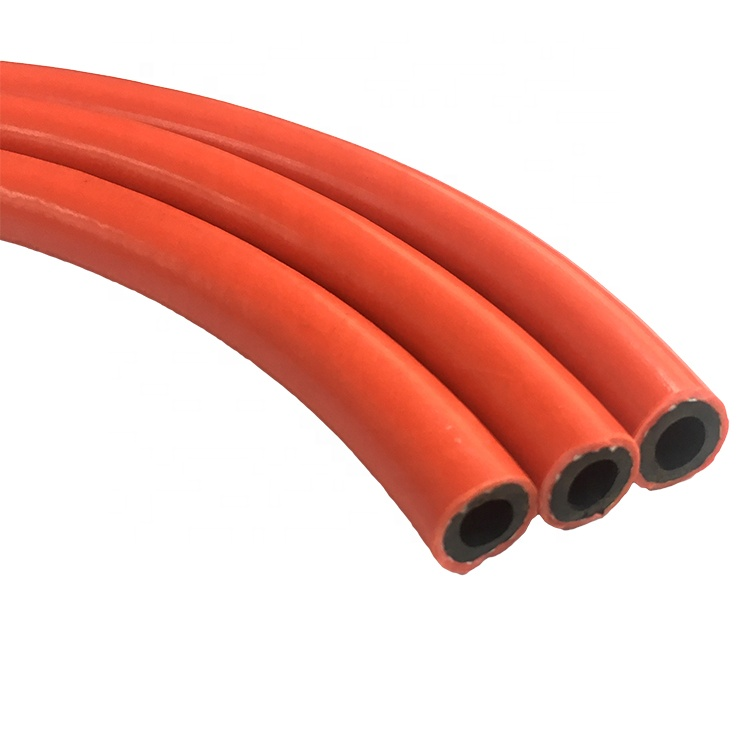
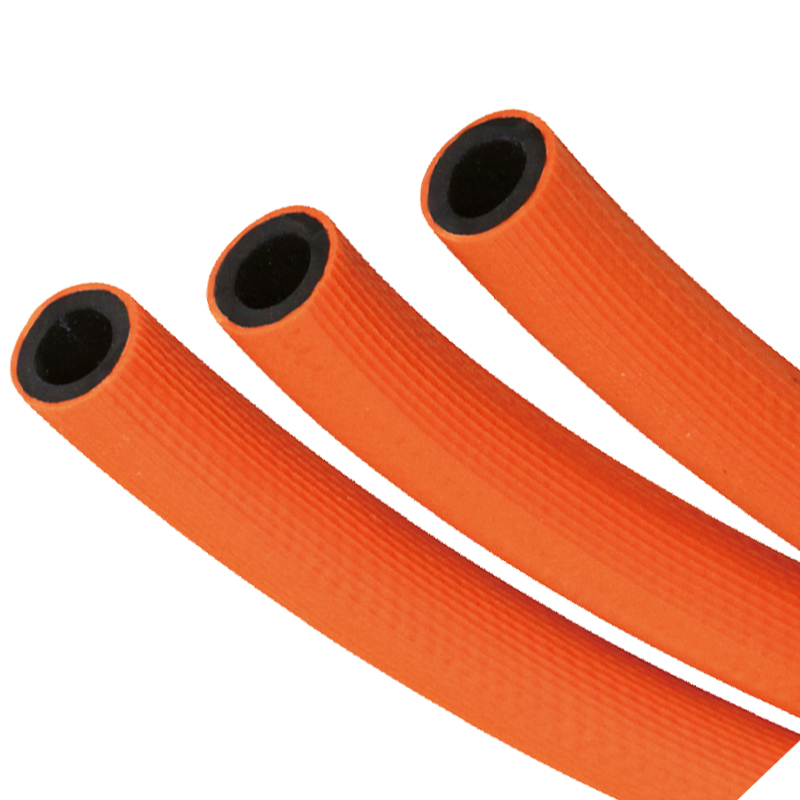
One of the standout features of this hose is the inclusion of two premium hose clamps, which guarantee a tight, leak-free connection. These clamps are designed to withstand rigorous use, ensuring operational safety and preventing gas leaks—a critical factor in maintaining a secure environment for both residential and industrial applications.
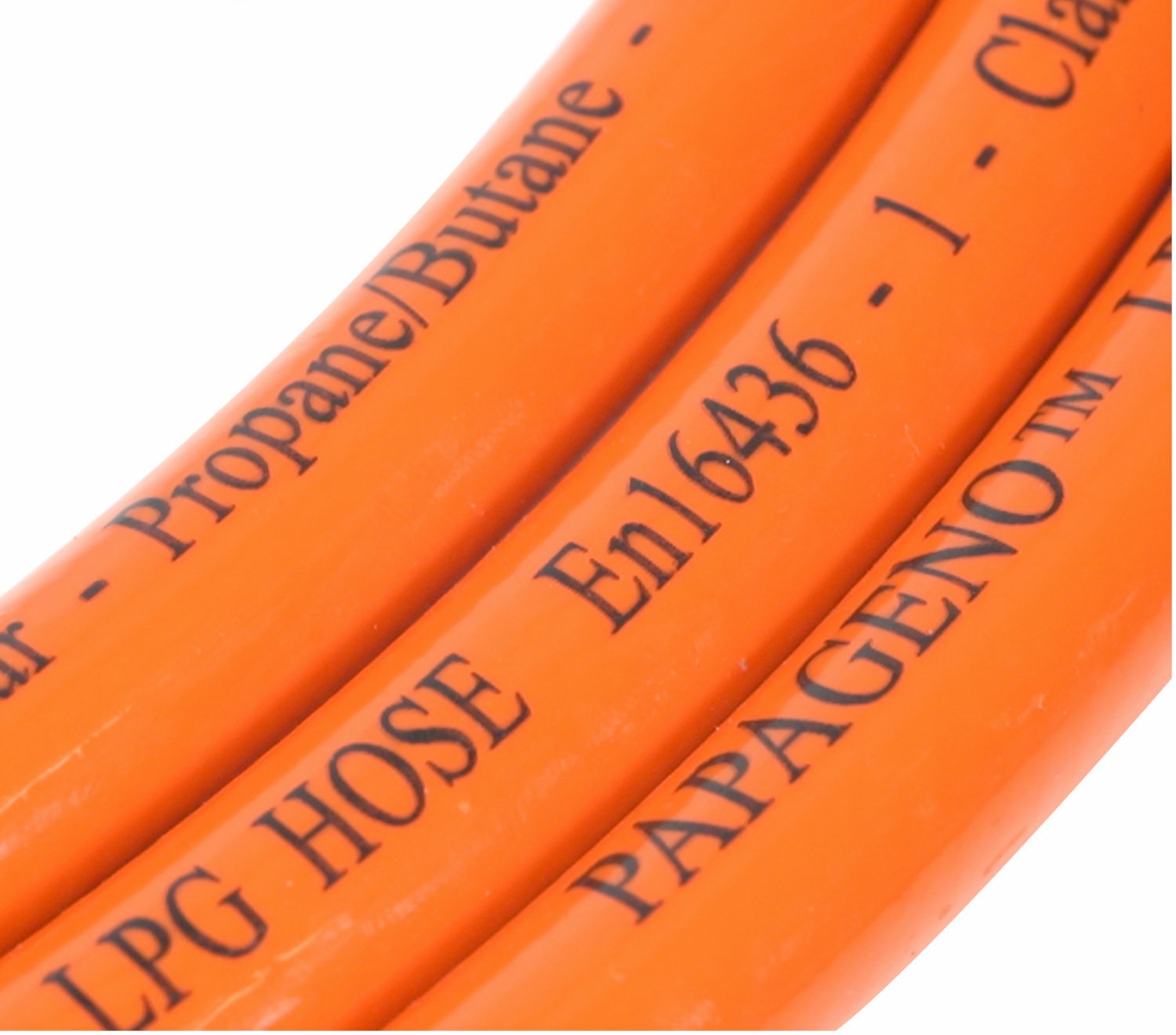
Technical Specifications
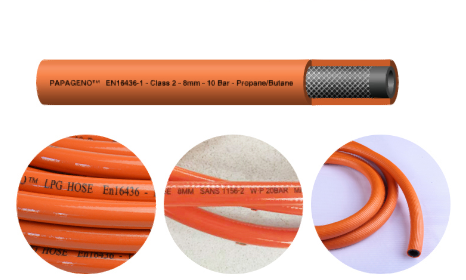
The LPG Gas Transfer Hose is constructed with a smooth PVC tube reinforced with high-tensile polyester or cotton braiding. The outer cover is available in orange or black, offering both aesthetic appeal and protection against environmental factors. The hose is designed to operate within a temperature range of -10°C (-50°F) to +60°C (+140°F), making it suitable for a wide range of climates and conditions.
Product Specifications Table
| inch | I.D (mm) | O.D (mm) | W.P. (bar) | B.P. (bar) | Weight (g/m) |
|---|---|---|---|---|---|
| 1/4" | 6 | 12 | 20 | 60 | 115 |
| 5/16" | 8 | 14 | 20 | 60 | 140 |
| 3/8" | 9 | 15 | 20 | 60 | 152 |
| 3/8" | 9.5 | 15.5 | 20 | 60 | 160 |
| 3/8" | 10 | 16 | 20 | 60 | 164 |
Key Features and Advantages
The LPG Gas Transfer Hose offers several advantages that make it a preferred choice for gas transfer applications:
- Anti-Aging and Weather Resistance: The hose is designed to withstand prolonged exposure to sunlight, ozone, and extreme temperatures, ensuring a long service life.
- Lightweight and Flexible: Its lightweight design and flexibility make it easy to handle and install, even in tight spaces.
- Non-Kinking: The reinforced construction prevents kinking, ensuring a consistent flow of gas without interruptions.
- UV and Ozone Resistance: The outer cover is treated to resist UV radiation and ozone, maintaining its integrity over time.
Applications
The LPG Gas Transfer Hose is widely used in residential and commercial settings, particularly for low-pressure gas applications. Its primary use is in connecting LPG cylinders to stoves, but it is also suitable for furnaces, forges, and other gas-powered equipment. The hose's ability to handle a wide range of temperatures and its resistance to environmental factors make it ideal for both indoor and outdoor use.
Company Background
Hebei Kebing Import and Export Trade Co., Ltd. is a leading supplier of high-quality gas transfer solutions, with a strong commitment to safety, innovation, and customer satisfaction. The company's products are designed to meet international standards, ensuring reliability and performance in diverse environments. With a focus on quality control and customer support, Hebei Kebing has established itself as a trusted name in the gas equipment industry.
For more information about the company, visit their official website.
Ensuring Safety and Compliance
Gas transfer systems must adhere to strict safety standards to prevent accidents and ensure reliable performance. The LPG Gas Transfer Hose is designed with these requirements in mind, incorporating features that align with industry best practices. According to the National Institute of Standards and Technology (NIST), "precise measurements and adherence to standards are critical in ensuring the safety and efficiency of gas transfer systems." The hose's construction and testing protocols reflect this commitment to safety and compliance.
Conclusion
The LPG Gas Transfer Hose from Hebei Kebing Import and Export Trade Co., Ltd. is a reliable, durable, and user-friendly solution for low-pressure gas transfer applications. With its robust construction, ease of use, and compliance with industry standards, this hose is an excellent choice for both residential and commercial users. Whether you're connecting a stove, furnace, or other gas-powered equipment, this product offers the performance and safety you need.
References
National Institute of Standards and Technology (NIST). (n.d.). What We Do. Retrieved from https://www.nist.gov
-
High Strength Industrial Clear Braided PVC Hose Pipe GuideNewsApr.16,2026
-
Industrial Reinforced Braided PVC Hose for Fluid Transfer GuideNewsApr.09,2026
-
Comprehensive Guide to Braided PVC Tubing Applications and BenefitsNewsApr.07,2026
-
Comprehensive Guide to Braided Clear Vinyl Tubing Applications and BenefitsNewsApr.04,2026
-
Comprehensive Guide to PVC Braided Hose Applications and SelectionNewsMar.31,2026
-
Comprehensive Guide to Selecting the Best Double Welding Hose for Your NeedsNewsMar.28,2026
 Afrikaans
 Albanian
 Arabic
 Azerbaijani
 Belarusian
 Bengali
 Bulgarian
 Czech
Czech
 Danish
 Dutch
Dutch
 Finnish
 French
 German
 Greek
Greek
 Hebrew
 Hindi
Hindi
 Hungarian
 Indonesian
 Irish
Irish
 Italian
 Japanese
 Kazakh
 Korean
 Kyrgyz
 Lao
Lao
 Latin
Latin
 Lithuanian
 Luxembourgish
 Malay
Malay
 Mongolian
 Myanmar
 Nepali
 Norwegian
 Persian
 Polish
 Portuguese
 Russian
 Serbian
 Slovak
 Spanish
 Swedish
 Tagalog
 Thai
Thai
 Turkish
 Ukrainian
 Uighur
 Uzbek
Uzbek
 Vietnamese
 Welsh
Welsh
 English