


Foil Duct for Dryer: Global Safety, Efficiency & Future Trends Explained
Foil Duct for Dryer: What It Is and Why It Matters Globally
Foil ducts for dryers may seem like a small part of our daily lives—after all, what’s more mundane than venting hot air from your dryer? But in real terms, these components play a surprisingly vital role in energy efficiency, safety, and even environmental impact worldwide. Knowing how and why foil ducts matter can help industries, contractors, and even homeowners make smarter, safer choices that ripple into long-term benefits.
Introduction: The Global Context of Foil Ducts for Dryers
Looking beyond your laundry room, the global demand for energy-efficient ventilation solutions is climbing rapidly. According to the International Energy Agency (IEA), residential energy use accounts for nearly 30% of the world’s total consumption. Efficiently venting dryers is a small but essential part of that puzzle, especially as modern households and commercial laundries scale up their energy footprints.
Oddly enough, many safety incidents around house fires are tied back to poorly installed or deteriorated dryer vents, often made from subpar materials. That’s where foil ducts come in — offering better heat resistance and flexibility compared to older plastic options. In places like North America and Europe where fire safety regulations have tightened, foil ducts have become standard practice.
What Is a Foil Duct for Dryer?
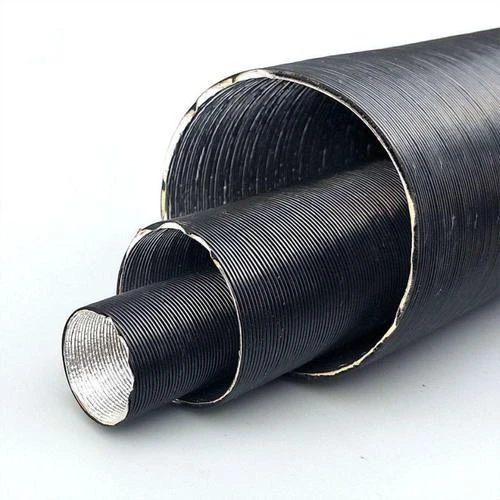
Simply put, a foil duct for dryer is a flexible ventilation tube used to channel hot, moist air from a clothes dryer out of a building safely. Usually constructed from aluminum foil layered over a plastic or wire spiral framework, these ducts are designed to withstand heat, resist moisture, and bend easily to fit complex installation spaces.
In broader terms, foil ducts tie into industrial ventilation, HVAC systems, and even humanitarian applications, such as temporary cooling or drying stations in disaster relief camps. Their adaptability and cost-effectiveness make them valuable beyond just residential use.
Core Components and Key Factors
Durability
Foil ducts combine aluminum’s heat resistance with a tear-resistant structure. This prevents sagging, punctures, or degradation from dryer heat and humidity over years of use—crucial for safety.
Flexibility & Scalability
Easily bent around corners and tightened into limited spaces, these ducts can be customized onsite, which saves time and labor.
Cost Efficiency
Compared to rigid metal ducts or plastic hoses, foil ducts provide an affordable, lightweight alternative without sacrificing performance—this is especially important in large-scale or property-wide installations.
Heat and Fire Safety Ratings
Good foil ducts comply with standards such as UL 181 or ISO 6944-2, meaning they resist heat buildup and mitigate fire risk better than cheap alternatives.
Environmental Considerations
Many foil ducts are partially recyclable and can reduce energy waste by optimizing airflow efficiency—both important in today’s sustainability-conscious market.
Mini takeaway: The foil duct’s blend of durability, flexibility, and cost-effectiveness is why it remains a go-to product worldwide for dryer venting.
Product Specifications Table
| Specification | Description |
|---|---|
| Material | Heavy-duty aluminum foil laminated over plastic spiral |
| Diameter | 4 to 8 inches (100 to 200 mm) |
| Temperature Resistance | Up to 250°F (120°C) |
| Length | Available in rolls or pre-cut sections up to 25 feet |
| Certifications | UL 181, CSA, ISO 6944-2 |
Global Applications & Use Cases
From suburban households in the US to industrial laundries in Europe and disaster response sites in Asia, the foil duct for dryer plays an interesting role:
- Residential homes: Many building codes now require metal or foil ducts instead of plastic to reduce fire hazards.
- Industrial laundries & hotels: These facilities use extended foil ducting runs to safely vent multiple machines.
- Disaster relief camps: Temporary drying stations employ foil ducts for quick installation and reliability in harsh conditions.
- Remote areas: Regions with limited infrastructure rely on flexible ducting to adapt quickly to unique ventilation needs.
For more details on installation options, check out our foil duct for dryer solutions page for expert guidance and product lines.
Advantages & Long-Term Value
Choosing the right foil duct isn’t just about immediate functionality—it’s about trust, safety, and peace of mind over years:
- Safety: Less chance of lint buildup and overheating reduces fire risk.
- Energy efficiency: Properly vented dryers dry clothes faster, using less power.
- Cost savings: Lower installation costs, fewer replacements.
- Environmental impact: Materials often recyclable; reduced energy waste contributes to sustainability.
- Dignity and comfort: For disaster relief and humanitarian projects, good ventilation means healthier conditions.
Future Trends & Innovations
Looking ahead, manufacturers are experimenting with greener materials, integrating sensors for airflow diagnostics, and making ducts easier to recycle. Digital transformation means that smart vents could one day automate cleaning alerts or optimize drying cycles remotely, reducing maintenance headaches.
Regulations are tightening worldwide to enhance fire safety and sustainability, pushing innovation in foil duct design towards longer-lasting, more adaptable, and greener solutions.
Challenges & Solutions
Like any product, foil ducts come with challenges. Improper installation can negate their benefits—crush them too tightly, and airflow plummets. Some lower-cost products skimp on materials, leading to failures.
Experts recommend certified products and professional installation, along with periodic inspection and cleaning. New hybrid ducts combining rigid and flexible sections are emerging to simplify complex duct runs.
FAQ: Frequently Asked Questions About Foil Duct for Dryer
Q1: What makes foil ducts safer than plastic dryer vents?
A1: Foil ducts resist high temperatures better and don’t melt or warp like plastic. Their metal surface also inhibits buildup of lint fires. This safety advantage is why building codes often require them.
Q2: Can foil ducts be reused or recycled?
A2: Many foil ducts can be recycled since they’re primarily aluminum, but it depends on local recycling facilities. Reusing sections after inspection is common in commercial settings, but residential use typically favors replacement for reliability.
Q3: How long does a typical foil dryer duct last?
A3: With proper installation and maintenance, a foil duct can last 10 to 15 years or more. Exposure to crushing or moisture may shorten lifespan, so inspections are important.
Q4: Are there eco-friendly alternatives to traditional foil ducts?
A4: Yes, some vendors now offer ducts made with recyclable or biodegradable liners and lower-impact manufacturing processes—combining safety with sustainability goals.
Q5: How do I find certified foil ducts that meet international safety standards?
A5: Look for certifications from UL, CSA, or ISO, and choose reputable brands with clear documentation. Our foil duct for dryer catalog features such options.
Vendor Comparison Table: Popular Foil Duct Suppliers
| Vendor | Certifications | Typical Lengths | Material Grade | Price Range |
|---|---|---|---|---|
| Kebing Hose | UL 181, ISO 6944-2 | 5 to 25 feet | Heavy-duty aluminum foil | $$ |
| MetalFlex Corp. | CSA, UL Certified | 3 to 30 feet | Reinforced foil with plastic spiral | $$$ |
| EcoDuct Solutions | ISO 9001, Green Seal | 5 to 20 feet | Recyclable foil composite | $$$ |
Conclusion + Call to Action
In a nutshell, the foil duct for dryer is much more than “just a hose.” It’s a proven, versatile, and essential component for modern ventilation—combining safety, efficiency, and sustainability in a simple, cost-effective solution. Whether for homes, industrial laundries, or humanitarian projects, investing in quality foil ducting pays off over time.
Interested in the best foil duct for dryer options on the market? Visit our website at https://www.kebinghose.com for comprehensive product ranges, expert advice, and certifications you can trust.
Final thought: Sometimes, the best innovations are the ones quietly keeping us safe and efficient behind the scenes.
References:
-
High Strength Industrial Clear Braided PVC Hose Pipe GuideNewsApr.16,2026
-
Industrial Reinforced Braided PVC Hose for Fluid Transfer GuideNewsApr.09,2026
-
Comprehensive Guide to Braided PVC Tubing Applications and BenefitsNewsApr.07,2026
-
Comprehensive Guide to Braided Clear Vinyl Tubing Applications and BenefitsNewsApr.04,2026
-
Comprehensive Guide to PVC Braided Hose Applications and SelectionNewsMar.31,2026
-
Comprehensive Guide to Selecting the Best Double Welding Hose for Your NeedsNewsMar.28,2026
 Afrikaans
 Albanian
 Arabic
 Azerbaijani
 Belarusian
 Bengali
 Bulgarian
 Czech
Czech
 Danish
 Dutch
Dutch
 Finnish
 French
 German
 Greek
Greek
 Hebrew
 Hindi
Hindi
 Hungarian
 Indonesian
 Irish
Irish
 Italian
 Japanese
 Kazakh
 Korean
 Kyrgyz
 Lao
Lao
 Latin
Latin
 Lithuanian
 Luxembourgish
 Malay
Malay
 Mongolian
 Myanmar
 Nepali
 Norwegian
 Persian
 Polish
 Portuguese
 Russian
 Serbian
 Slovak
 Spanish
 Swedish
 Tagalog
 Thai
Thai
 Turkish
 Ukrainian
 Uighur
 Uzbek
Uzbek
 Vietnamese
 Welsh
Welsh
 English