


Foil Duct Explained: Global Applications, Benefits, and Innovations
Understanding Foil Duct: Essential Insights and Global Impact
Foil duct systems, sometimes called aluminum foil ducts or foil flexible ducts, might sound like just another piece of HVAC jargon. Yet, they play a surprisingly critical role in global industries and advancing infrastructural resilience. At its core, a foil duct is a conduit wrapped in reflective foil material, optimizing thermal insulation, air flow, and contamination resistance. Given the growing emphasis on energy efficiency and environmental responsibility worldwide, understanding foil duct technology matters—not just to engineers and facility managers, but to anyone interested in sustainable building, disaster relief, or remote industry solutions.
In real terms, foil ducts can reduce heat loss or gain substantially, which translates directly to cost savings and lower carbon footprints. And honestly, with urban landscapes expanding rapidly (the UN estimates over 68% of the world population will live in cities by 2050), efficient ductwork is not a trivial detail but a core infrastructure component.
Global Relevance of Foil Duct in Industry and Infrastructure
Across continents, from industrial hubs in Asia-Pacific to the energy facilities of Europe and North America, foil duct systems have pushed their way into the limelight as a smart solution for HVAC and air transport challenges. According to the International Energy Agency, heating and cooling account for nearly half of the global energy consumption in buildings. By improving duct insulation and minimizing air leakage, foil ducts directly address one of the key inefficiencies in modern energy systems.
On a larger scale, the World Bank emphasizes infrastructure resilience as a pillar of sustainable development. Here, foil ducts contribute to more reliable climate control in essential services like hospitals, schools, and emergency shelters, especially in challenging environments.
However, challenges such as durability, installation flexibility, and cost often temper adoption. Let’s unpack what foil ducts are, and why the world’s taking notice.
Defining Foil Duct and Its Industrial Relevance
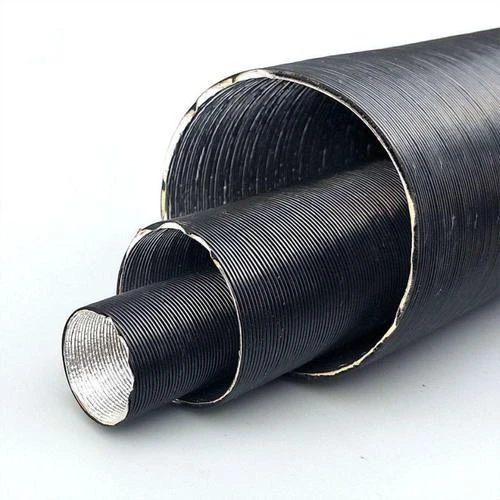
Simply put, a foil duct is a flexible or semi-rigid air duct wrapped with an aluminum foil layer. The foil acts as a radiant barrier, reflecting heat and protecting the duct material from environmental damage. Often combined with fiber or foam insulation layers inside, the design optimizes thermal retention and reduces condensation risks.
Modern industry depends on effective temperature-controlled environments —think clean rooms, data centers, or disaster relief tents. Foil ducts ensure air quality and temperature stability with minimal energy waste. Oddly enough, their lightweight but durable nature means they’re also used extensively in aerospace and remote industrial installations where weight and reliability count.
Key Features of Foil Duct Systems
1. Durability
Thanks to the outer foil layer, foil ducts resist moisture, corrosion, and UV exposure. In humid or harsh climates, this durability extends service life—and cuts maintenance costs. Many engineers note that this resilience is what sets foil ducts apart from traditional PVC or fabric ducts.
2. Thermal Insulation Efficiency
The reflective foil significantly reduces heat transfer. When paired with proper insulation, foil ducts maintain stable air temperatures, improving HVAC efficiency substantially.
3. Flexibility and Scalability
Foil ducts come in flexible rolls or pre-formed segments, allowing quick installation even in tight or irregular spaces. This versatility makes them ideal for retrofits or temporary structures.
4. Cost Effectiveness
While upfront costs may be slightly higher than basic duct options, the long-term savings in energy efficiency and repair make foil ducts an economical choice.
5. Lightweight Construction
Especially crucial in mobile or transportable setups, foil ducts’ low weight reduces labor strain and logistical obstacles.
Foil Duct Product Specification Table
| Feature | Typical Specification | Notes |
|---|---|---|
| Material | Aluminum foil laminated with polyester film | Enhances moisture resistance |
| Diameter Range | 50mm to 600mm | Varies by model |
| Temperature Range | -30°C to 120°C | Suitable for most HVAC uses |
| Insulation Thickness | 6mm to 25mm | Depends on application |
| Fire Resistance | Class B1 (self-extinguishing) | Meets ISO standards |
Mini takeaway: Foil ducts combine a sleek, reflective aluminum layer with flexible insulation to provide durable, efficient, and versatile air conduits.
Global Applications and Real-World Use Cases
Foil ducts shine in a variety of challenging contexts worldwide. For example, in post-disaster relief operations, rapid-deploy air conditioning tents equipped with foil ducting allow displaced persons to avoid heat stress—critical for health and morale. Agencies like the Red Cross and UNHCR have adopted such solutions, recognizing the value of quick setup and high performance.
Similarly, in remote mining and oil extraction zones where infrastructure is sparse, foil ducts provide reliable ventilation without adding significant cargo weight or installation complexity. In Europe’s dense urban centers, retrofits to aging buildings often call for flexible foil ducts that can snake through narrow walls without major renovations.
Even in aerospace and automotive factories, where strict contamination controls and precise climate conditions are needed, foil ducts offer dependable air delivery while resisting chemical degradation.
Vendor Comparison of Common Foil Duct Suppliers
| Vendor | Product Range | Price Tier | Lead Time | Certifications |
|---|---|---|---|---|
| Kebing Hose Co. | Standard & Custom Foil Ducts | Mid-range | 2-3 weeks | ISO 9001 & RoHS |
| FlexiAir Solutions | Wide Variety of Duct Types | Premium | 1-2 weeks | UL & ISO Certifications |
| EcoVentures Ltd. | Eco-Friendly Foil Ducts | Budget | 3-4 weeks | Green Seal |
Mini takeaway: Depending on budget, certification needs, and urgency, buyers can choose from vendors who specialize in quality, speed, or eco-friendliness.
Advantages and Long-Term Value of Foil Duct
There’s more beneath the surface than meets the eye. Beyond improved energy efficiency, foil ducts bring peace of mind—less downtime, fewer repairs, and better occupant comfort. For facility managers, that’s huge. For occupants, whether hospital patients or students, it can mean a safer, healthier environment.
Sustainability-wise, reduced energy demand helps curb carbon emissions—a necessity if we want to meet the Paris Agreement goals. The minimal weight and ease of installation mean faster project turnarounds, lowering labor costs and disruptions.
Emotionally, there’s something reassuring about systems built to last and protect, reaffirming trust in infrastructure in uncertain times.
Emerging Trends and Innovations
Looking forward, foil duct technology is evolving alongside the broader push towards green building and smart infrastructure. Innovations include:
- Advanced Composite Materials: Combining foil with bio-based insulation reduces environmental impact.
- Digital Monitoring Integration: Sensors embedded in ducts allow real-time airflow and temperature tracking, improving maintenance forecasting.
- Automated Manufacturing: Robotics enabling more precise and custom duct production at scale.
- Regulation-Driven Improvements: Stricter ISO standards push for better fire resistance and recyclability.
Frankly, I’m excited to see how these trends increase both the technical performance and environmental friendliness of foil ducts worldwide.
Challenges and How to Overcome Them
Foil ducts, for all their benefits, aren’t perfect. Installation demands skill to ensure airtight seals. Some cheaper variants may degrade faster under UV exposure or physical stress. Also, improper insulation thickness can hamper performance.
Solutions are emerging though. Training programs for installers, improved standards from bodies like ISO and UL, and vendor warranties are all steps to mitigate risks. Thoughtful design and selecting reputable suppliers—like Kebing Hose—help too.
FAQ: Practical Questions about Foil Duct
- What benefits do foil ducts offer compared to traditional metal ducts?
- Foil ducts are lighter and more flexible, allowing easier installation in tight spaces. Their reflective surfaces improve thermal insulation and reduce condensation risks, leading to better energy efficiency.
- How long do foil ducts typically last in industrial environments?
- With proper installation and maintenance, foil ducts can last 10-15 years, but exposure to harsh chemicals or UV without protection can shorten lifespan.
- Are foil ducts suitable for use in disaster relief shelters?
- Absolutely. Their lightweight nature, ease of deployment, and insulation properties make them ideal for temporary shelter HVAC setups, improving occupant comfort.
- Can foil ducts be recycled or reused?
- Many foil ducts use recyclable aluminum layers, but recycling depends on local facilities and the insulation materials used. Some vendors focus on eco-friendly designs.
Conclusion: Why Foil Duct Matters and Next Steps
To sum it up, foil duct technology blends durability, efficiency, and flexibility in air distribution systems that serve a truly global audience—from urban developments to disaster zones. As sustainability becomes unavoidable, their role only grows more essential.
If you’re curious about integrating reliable, cost-effective, and green HVAC solutions, explore the offerings available at Kebing Hose. The future of foil duct is bright, and frankly, it feels like a small but significant puzzle piece for better buildings and better lives worldwide.
Takeaway: Choosing the right foil duct system today pays off big tomorrow—in energy savings, environmental stewardship, and human comfort.
References:
-
High Strength Industrial Clear Braided PVC Hose Pipe GuideNewsApr.16,2026
-
Industrial Reinforced Braided PVC Hose for Fluid Transfer GuideNewsApr.09,2026
-
Comprehensive Guide to Braided PVC Tubing Applications and BenefitsNewsApr.07,2026
-
Comprehensive Guide to Braided Clear Vinyl Tubing Applications and BenefitsNewsApr.04,2026
-
Comprehensive Guide to PVC Braided Hose Applications and SelectionNewsMar.31,2026
-
Comprehensive Guide to Selecting the Best Double Welding Hose for Your NeedsNewsMar.28,2026
 Afrikaans
 Albanian
 Arabic
 Azerbaijani
 Belarusian
 Bengali
 Bulgarian
 Czech
Czech
 Danish
 Dutch
Dutch
 Finnish
 French
 German
 Greek
Greek
 Hebrew
 Hindi
Hindi
 Hungarian
 Indonesian
 Irish
Irish
 Italian
 Japanese
 Kazakh
 Korean
 Kyrgyz
 Lao
Lao
 Latin
Latin
 Lithuanian
 Luxembourgish
 Malay
Malay
 Mongolian
 Myanmar
 Nepali
 Norwegian
 Persian
 Polish
 Portuguese
 Russian
 Serbian
 Slovak
 Spanish
 Swedish
 Tagalog
 Thai
Thai
 Turkish
 Ukrainian
 Uighur
 Uzbek
Uzbek
 Vietnamese
 Welsh
Welsh
 English