


Flexible Vacuum Pipes & Hoses | Dust & Air Duct Solutions
The Critical Role and Evolution of Vacuum Pipes in Industrial Operations
In the intricate landscape of modern industrial operations, the efficiency and safety of material conveyance and air handling systems are paramount. Central to these systems are high-performance vacuum pipes, designed to facilitate the smooth, reliable, and contaminant-free transfer of air, fumes, and various particulate materials. These essential components play a pivotal role across diverse sectors, from maintaining optimal atmospheric conditions in cleanrooms to extracting hazardous dust in manufacturing facilities. Their design and material composition are critical factors determining their suitability for specific applications, ensuring both operational effectiveness and adherence to stringent safety and environmental standards.
The selection of the appropriate flexible air duct hose is not merely a purchasing decision; it is a strategic investment that directly impacts system uptime, energy consumption, and worker health. This comprehensive guide delves into the technical intricacies, manufacturing processes, application versatility, and strategic advantages of these crucial industrial components, providing B2B decision-makers and engineers with the insights necessary to make informed choices that drive operational excellence.
Manufacturing Process Flow of Flexible Air Duct Hoses
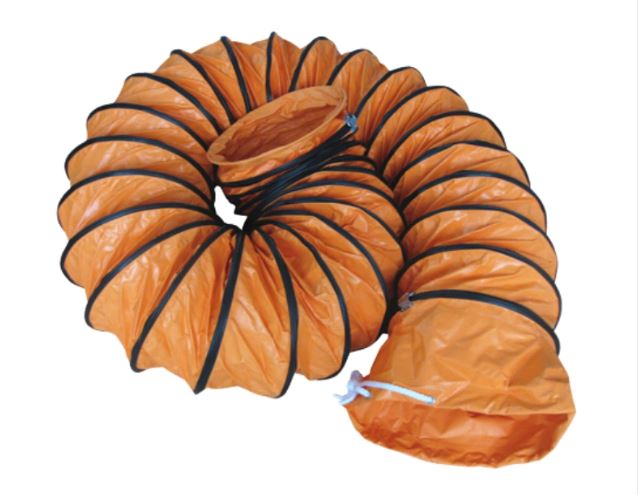
The production of high-quality flexible air duct hoses, often utilized as vacuum pipes, is a sophisticated process requiring precision engineering and adherence to strict quality control. The manufacturing methodology is tailored to impart specific characteristics such as durability, flexibility, temperature resistance, and chemical inertness, which are crucial for demanding industrial environments. Kebing Hose’s Flexible Air Duct Hose epitomizes this meticulous manufacturing approach.
Key Materials and Their Properties:
- Polyurethane (PU): Renowned for its excellent abrasion resistance, high tensile strength, and good flexibility, PU is often used for hoses conveying abrasive media like sawdust, granular materials, or chips.
- Polyvinyl Chloride (PVC): A cost-effective material offering good chemical resistance, smooth interior for efficient flow, and moderate flexibility. Suitable for general-purpose ventilation and light material handling.
- Silicone: Chosen for extreme temperature applications (both high and low) and resistance to a wide range of chemicals. Often reinforced with fiberglass for enhanced structural integrity.
- Fiberglass Fabric: Impregnated with various coatings (e.g., silicone, neoprene) for high-temperature resistance and chemical inertness.
- Steel Wire Helix: Integrated into the hose structure to provide robust reinforcement against crushing, kinking, and vacuum collapse. It ensures structural stability under both positive and negative pressure.
Detailed Manufacturing Process Steps:
- Material Preparation: Raw polymer granules (PU, PVC, etc.) are carefully selected based on application requirements. These are then mixed with additives, plasticizers, and stabilizers to achieve desired properties such as UV resistance, flame retardancy, and anti-static capabilities.
- Extrusion/Film Casting: For multi-layered hoses, the base film (e.g., PU or PVC) is extruded to a precise thickness. In some cases, a continuous extrusion process forms the initial hose wall.
- Spiral Winding & Reinforcement: A critical step where the steel wire helix is precisely wound into the extruded material or laminated fabric. This process can involve co-extrusion, where the wire is encapsulated within the polymer during extrusion, or a hot-air bonding technique where the wire is spirally wrapped and fused to the hose wall. This provides the structural integrity necessary for both positive pressure and high-vacuum applications.
- Lamination and Coating: For hoses requiring enhanced properties, additional layers are applied. This might include a smooth inner liner for improved flow characteristics, an outer wear strip for abrasion protection, or specialized coatings for chemical resistance or thermal insulation. Heat bonding or chemical adhesives are used to ensure strong interlayer adhesion.
- Curing/Vulcanization (for certain polymers): If rubber-based compounds are used, a curing or vulcanization process is employed to enhance elasticity, durability, and temperature resistance. This often involves controlled heat and pressure application.
- Cooling and Sizing: The newly formed hose is uniformly cooled to stabilize its dimensions and mechanical properties. It is then accurately cut to standard or custom lengths.
- Quality Control and Testing: Each batch undergoes rigorous testing to ensure compliance with international standards such as ISO 1080 (Rubber and plastics hoses and hose assemblies — Textile-reinforced hydraulic hoses for vacuum and light suction applications), and ANSI/AMCA 210 (Laboratory Methods of Testing Fans for Aerodynamic Performance Rating). Tests include:
- Pressure Testing: Hydrostatic or pneumatic tests to verify burst and working pressure limits.
- Vacuum Collapse Test: Ensuring the hose maintains its form under specified negative pressures.
- Abrasion Resistance: Measuring the material's ability to withstand wear from conveyed particles.
- Flexibility Test: Assessing bending radius and resistance to kinking.
- Temperature Stability: Performance evaluation across its specified temperature range.
- Material Integrity: Chemical composition analysis and visual inspection for defects.
- Finishing and Packaging: Ends may be cuffed or fitted with connectors as per customer requirements. Hoses are then coiled and packaged, often with protective wrapping to prevent damage during transit.
Service Life and Target Industries:
The service life of vacuum pipes depends heavily on material selection, operational conditions (temperature, pressure, abrasion), and maintenance. Properly selected and maintained hoses can offer extended service life, reducing downtime and replacement costs. Target industries include petrochemical, metallurgy, mining, food processing, pharmaceuticals, woodworking, HVAC, and general manufacturing, all benefiting from advantages like energy saving through optimized flow and excellent corrosion resistance due to advanced material formulations.
Industry Trends in Flexible Ducting Solutions
The market for industrial hoses, particularly those serving as vacuum pipes, is continuously evolving, driven by technological advancements, regulatory changes, and increasing demands for efficiency and sustainability. Several key trends are shaping the development and adoption of flexible ducting solutions:
- Sustainable Material Innovation: A growing emphasis on eco-friendly materials, including recyclable polymers and bio-based alternatives, to reduce environmental impact without compromising performance.
- Enhanced Performance in Extreme Environments: Development of `flexible hose vacuum` solutions capable of withstanding wider temperature ranges, higher pressures, and more aggressive chemical exposures, crucial for specialized industrial processes.
- Lightweight and Compact Designs: Demand for hoses that offer superior flexibility and reduced weight, facilitating easier installation, handling, and lower logistical costs, especially for applications requiring frequent repositioning or in confined spaces.
- Smart Sensing and Monitoring Integration: Emerging trends include the integration of sensors within `flexible duct hose` systems to monitor parameters like pressure, temperature, flow rates, and even wear, enabling predictive maintenance and optimizing operational efficiency.
- Customization and Modularity: Increasing client requirements for bespoke `air duct hose` solutions that precisely fit unique application specifications, including specific diameters, lengths, and end fittings. This trend emphasizes modular designs for quick assembly and reconfiguration.
- Energy Efficiency: Design innovations focused on reducing internal friction and optimizing flow dynamics, which minimizes pressure drop and consequently lowers the energy consumption of associated blowers and vacuum pumps. This directly contributes to operational cost savings and reduced carbon footprint.
These trends underscore a broader industry movement towards more intelligent, sustainable, and application-specific solutions that deliver superior performance and long-term value for industrial clients.
Technical Specifications and Parameters of Flexible Air Duct Hoses
Understanding the critical technical specifications of flexible air duct hoses is fundamental for selecting the optimal product for any industrial application. These parameters define the hose's performance capabilities, durability, and suitability for specific operational environments. Below is a comprehensive overview and an example specification table for a high-performance Flexible Air Duct Hose.
Key Technical Parameters:
- Material Composition: Defines resistance to abrasion, chemicals, temperature extremes, and UV. Common materials include PU, PVC, Silicone, Neoprene, and specialty fabrics.
- Inner Diameter (ID) Range: Crucial for flow rate and capacity, typically ranging from 25mm to 600mm (1 inch to 24 inches) for `flexible duct hose` applications.
- Wall Thickness: Impacts durability, crush resistance, and vacuum rating. Thicker walls generally offer higher resistance but may reduce flexibility.
- Temperature Range: The continuous operating temperature limits (min/max) that the hose can withstand without degradation. For instance, -40°C to +90°C for PU hoses, or up to +250°C for silicone-coated fiberglass hoses.
- Working Pressure: The maximum internal pressure the hose can safely sustain during continuous operation. Measured in bar or PSI.
- Vacuum Pressure / Vacuum Rating: The maximum negative pressure the hose can endure without collapsing. Essential for `flexible hose vacuum` applications, often expressed in mbar or inches of mercury (inHg).
- Bending Radius: The minimum radius to which the hose can be bent without kinking or sustaining damage, indicating its flexibility and ease of installation.
- Abrasion Resistance Index: A measure of the material's ability to resist wear from abrasive particles, often quantified through DIN 53516 abrasion loss tests.
- Chemical Resistance: The ability to withstand exposure to various chemicals, acids, alkalis, and solvents without degradation. Specific chemical resistance charts are often provided by manufacturers.
- Electrical Properties: Some applications require anti-static or electrically conductive hoses to prevent static charge buildup, especially in explosive environments.
Product Specification Table: Kebing Flexible Air Duct Hose
| Parameter | Specification | Unit/Standard |
|---|---|---|
| Material | Polyester Fabric with PVC Coating, Steel Wire Helix | N/A |
| Inner Diameter Range | 50 - 500 | mm |
| Wall Thickness | 0.35 - 0.65 | mm |
| Temperature Range | -20 to +100 (short term +120) | °C |
| Max. Working Pressure (100mm ID) | 2.5 | Bar |
| Max. Vacuum Pressure (100mm ID) | 0.25 (250) | Bar (mbar) |
| Min. Bending Radius (100mm ID) | 100 | mm |
| Abrasion Resistance | Excellent | (based on material) |
| Certifications | ISO 9001, RoHS, REACH | N/A |
These specifications are crucial for matching the hose to the exact demands of the application, ensuring safety, efficiency, and longevity in industrial operations that rely on robust vacuum pipes.
Core Technical Advantages of Advanced Flexible Hoses
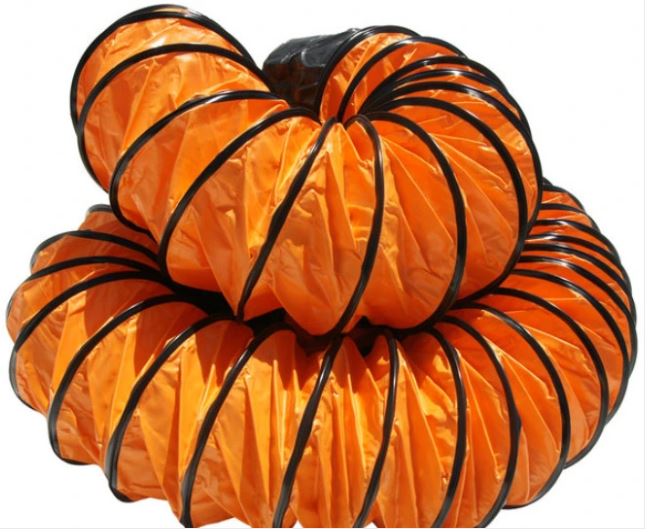
The superiority of modern flexible hoses, particularly those engineered for vacuum and air duct applications, lies in their distinct technical advantages over traditional rigid piping or less specialized alternatives. These benefits directly translate into operational efficiencies, cost savings, and enhanced safety for industrial users.
- Superior Flexibility and Ease of Installation: Unlike rigid ducts, flexible hoses can navigate complex layouts, around obstacles, and through confined spaces with ease. This significantly reduces installation time and costs, requiring fewer fittings and less labor, especially in retrofit scenarios. The inherent flexibility of these vacuum pipes also dampens vibrations and noise, contributing to a more stable and quieter operational environment.
- High Abrasion Resistance: For applications involving the conveyance of abrasive media such as granules, sawdust, chips, or powders, advanced flexible hoses made from materials like polyurethane offer exceptional resistance to wear and tear. This prolongs the service life of the hose, reduces maintenance frequency, and ensures continuous material flow without blockages or material degradation.
- Broad Chemical and Temperature Resistance: Engineered with specialized materials (e.g., PVC-coated polyester, silicone, EPDM) and reinforced with helix wires, these hoses can withstand exposure to a wide spectrum of chemicals, solvents, and extreme temperatures (both hot and cold). This versatility makes them indispensable in environments ranging from chemical processing plants to high-temperature furnace ventilation systems.
- Optimized Flow Dynamics for Energy Efficiency: The design of modern `flexible duct hose` solutions often incorporates smooth interior walls and optimized cross-sections to minimize air turbulence and pressure drop. This efficient flow dynamic reduces the workload on associated blowers and vacuum pumps, leading to substantial energy savings over time. For operations requiring high-volume air movement or robust material suction, this translates directly into lower electricity consumption and operational costs.
- Lightweight Construction: Despite their robust performance, advanced flexible hoses are typically lightweight compared to their rigid counterparts. This facilitates easier handling, reduces the structural load on supporting systems, and simplifies transport and storage.
- Excellent Vacuum Integrity: Reinforced with a rigid helix, these hoses are designed to maintain their structural integrity under significant negative pressure, preventing collapse and ensuring uninterrupted vacuum performance in suction and extraction systems.
These technical advantages collectively position flexible air duct hoses as a superior choice for industrial applications demanding reliability, efficiency, and adaptability in challenging operational contexts.
Application Scenarios & Real-World Case Studies
The versatility of flexible air duct hoses and vacuum pipes makes them indispensable across a multitude of industrial sectors. Their ability to adapt to complex installations and harsh conditions provides critical operational advantages.
Key Application Areas:
- HVAC and Ventilation Systems: Used extensively for air transfer, fume extraction, and fresh air supply in commercial buildings, factories, and marine applications. Their flexibility allows for easy routing around structural elements.
- Material Handling and Conveyance: Indispensable for pneumatic conveying of granular materials, pellets, powders, chips, and fibers in industries such as plastics, agriculture, food processing, and pharmaceuticals. The abrasion-resistant properties are key here.
- Dust and Fume Extraction: Critical in woodworking, welding, grinding, and chemical processing facilities to remove harmful dust particles, smoke, and corrosive fumes, thereby improving air quality and worker safety. The integrity of the `flexible hose vacuum` ensures efficient suction.
- Chemical Processing: Specialized hoses with high chemical resistance are used for exhaust of aggressive gases, light slurry transfer, and general ventilation in chemical plants.
- Mining and Construction: Providing essential ventilation in confined spaces, removing dust from drilling operations, and conveying aggregates. The rugged construction of `flexible duct hose` is paramount in these demanding environments.
- Pharmaceuticals and Food Processing: Requiring hoses that meet stringent hygiene standards (e.g., FDA compliance), used for cleanroom ventilation, sterile air transfer, and delicate powder handling.
Application Case Study: Enhanced Dust Extraction in a Woodworking Facility
Client Profile: A large-scale furniture manufacturing plant faced significant challenges with airborne sawdust and woodchip accumulation, leading to frequent machine maintenance, reduced air quality for employees, and compliance issues with occupational safety regulations.
Challenge: Their existing rigid ductwork system was prone to blockages, difficult to modify for new machine layouts, and experienced considerable pressure loss due to inefficient design and leakage at connections. This resulted in inadequate dust extraction at source points, leading to higher operational costs and safety risks.
Solution: The facility partnered with Kebing Hose to implement a comprehensive upgrade using high-performance, abrasion-resistant `air duct hose` solutions. Specifically, a heavy-duty polyurethane `flexible hose vacuum` with an embedded steel wire helix was selected due to its superior abrasion resistance, flexibility, and robust vacuum integrity. Hoses with varying diameters (from 100mm to 300mm) were custom-fabricated to connect individual woodworking machines (saws, sanders, planers) to a centralized dust collection unit.
Results:
- Improved Air Quality: Real-time air particulate monitoring showed a 70% reduction in airborne sawdust levels, significantly enhancing the working environment and reducing respiratory health risks for employees.
- Reduced Maintenance Costs: The inherent abrasion resistance of the PU hose led to a 40% decrease in hose replacements and blockages compared to previous solutions, minimizing downtime and labor costs.
- Enhanced Flexibility and Adaptability: The flexibility of the hoses allowed for quick and easy reconfiguration of the dust extraction system when machine layouts changed, saving substantial time and resources.
- Energy Savings: Optimized flow dynamics and airtight connections contributed to a noticeable reduction in the energy consumption of the dust collector, estimated at 15% annually.
This case study exemplifies how strategically deployed flexible vacuum pipes can deliver tangible operational improvements and significant long-term value in demanding industrial settings.
Vendor Comparison and Selection Criteria for Industrial Hoses
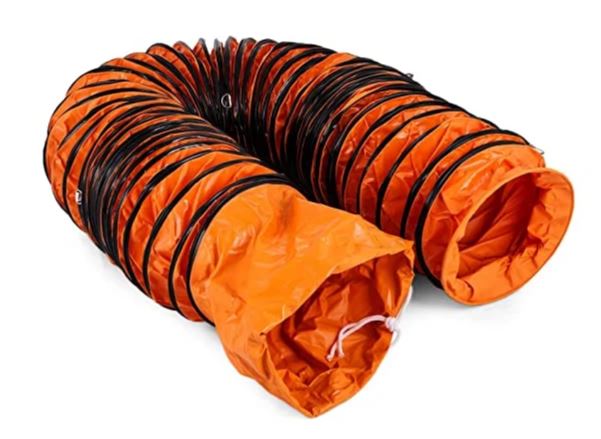
Choosing the right supplier for industrial hoses, particularly high-performance vacuum pipes, is as critical as selecting the product itself. A thorough vendor comparison goes beyond initial cost, evaluating factors that impact long-term performance, reliability, and overall return on investment. B2B decision-makers should consider the following criteria:
Key Vendor Selection Criteria:
- Material Quality and Product Range: Assess the diversity and quality of materials used in their flexible hose vacuum offerings. Does the vendor offer options for various temperature ranges, chemical resistances, and abrasion levels?
- Manufacturing Consistency and Quality Control: Verify the vendor's commitment to consistent product quality, evidenced by certifications (e.g., ISO 9001) and internal testing protocols. Inconsistent manufacturing can lead to premature hose failure.
- Technical Expertise and Customization Capabilities: Can the vendor provide technical consultation and develop customized `flexible duct hose` solutions for unique or challenging applications? This includes custom diameters, lengths, materials, and end fittings.
- Certifications and Compliance: Ensure products meet relevant industry standards (e.g., FDA for food contact, ATEX for explosive atmospheres, RoHS/REACH for environmental compliance) and possess certifications from recognized bodies.
- Lead Times and Supply Chain Reliability: Evaluate the vendor's ability to meet delivery schedules, especially for critical components. A robust supply chain minimizes downtime for the client.
- After-Sales Support and Warranty: Assess the quality of technical support, troubleshooting assistance, and the comprehensiveness of warranty provisions. Reliable support is crucial for addressing unforeseen issues.
- Reputation and Industry Experience: Consider the vendor's track record, years in the industry, and client testimonials. A strong reputation often indicates reliability and proven performance.
- Pricing Structure and Value Proposition: While cost is a factor, focus on the overall value proposition, including product longevity, efficiency gains, and reduced maintenance, rather than just the lowest upfront price.
Comparative Vendor Overview (Illustrative):
| Criteria | Kebing Hose (Example) | Vendor B (Competitor) | Vendor C (Competitor) |
|---|---|---|---|
| Product Range (Air Duct Hoses) | Extensive (PU, PVC, Silicone, etc., for various applications) | Moderate (Focus on general-purpose PVC) | Specialized (High-temp, limited material options) |
| Customization Capabilities | High (Custom dimensions, materials, end fittings) | Limited (Standard sizes only) | Moderate (Custom lengths, some material variations) |
| Certifications | ISO 9001, RoHS, REACH (Application specific) | Basic (e.g., CE mark) | Industry-specific (e.g., FDA for certain products) |
| Technical Support & Service | Excellent (Dedicated engineers, prompt response) | Standard (Online FAQ, basic contact) | Good (Technical hotline) |
| Lead Time (Standard Orders) | Competitive (e.g., 5-10 business days) | Longer (e.g., 10-15 business days) | Variable (Depending on complexity) |
Kebing Hose aims to distinguish itself through a broad product portfolio, extensive customization capabilities for `air duct hose` solutions, stringent quality control, and robust technical support, ensuring that clients receive products perfectly tailored to their unique industrial demands.
Customized Solutions for Unique Industrial Needs
In the complex world of B2B industrial applications, off-the-shelf `flexible duct hose` solutions often fall short of meeting specific operational parameters, environmental challenges, or integration requirements. This is where customized vacuum pipes become indispensable. A reputable manufacturer offers comprehensive customization services to ensure optimal performance, efficiency, and longevity tailored to unique client demands.
Aspects of Customization:
- Material Engineering: Tailoring the base polymer (e.g., specific grades of PU for extreme abrasion, PVC for certain chemical resistance, silicone for high temperatures) and reinforcement elements (e.g., different wire gauges, fiberglass fabric weave) to perfectly match the conveyed media and environmental conditions.
- Dimension Specificity: Manufacturing hoses to exact internal diameters, wall thicknesses, and custom lengths. This eliminates waste, optimizes flow, and ensures a precise fit for existing equipment or confined spaces.
- Specialized Coatings and Liners: Applying internal or external coatings for enhanced properties such as anti-static, anti-microbial, flame retardancy, UV resistance, or improved chemical inertness. Smooth internal liners can further reduce friction for efficient material transfer.
- Integrated End Fittings and Connectors: Pre-fitting hoses with specific couplings, clamps, flanges, or quick-release connectors designed for seamless integration into the client's existing system, reducing installation time and ensuring leak-proof connections.
- Color Coding and Branding: Custom colors for easy identification of different lines or for brand consistency, along with bespoke branding elements for the client.
Benefits of Customized Flexible Air Duct Hoses:
- Optimized Performance: Hoses are engineered to specific pressure, vacuum, temperature, and abrasion requirements, ensuring maximum efficiency and reliability.
- Extended Service Life: Material and design choices are optimized for the precise application, leading to greater durability and reduced frequency of replacement.
- Cost-Effectiveness: While initial investment might be higher, a customized solution often results in significant long-term savings through improved efficiency, reduced maintenance, and avoidance of premature failure.
- Enhanced Safety and Compliance: Hoses are designed to meet specific safety regulations (e.g., flame resistance, electrical conductivity) relevant to the operational environment, mitigating risks.
- Seamless Integration: Tailored dimensions and fittings ensure a perfect fit with existing machinery, minimizing installation challenges and potential leaks.
By collaborating with clients to understand their exact needs, Kebing Hose leverages its engineering expertise to deliver bespoke `flexible hose vacuum` solutions that drive superior operational outcomes and provide a competitive edge.
Ensuring Trust and Authority: Kebing Hose's Commitment to
In the B2B industrial sector, trustworthiness, expertise, authoritativeness, and experience () are not just marketing buzzwords; they are fundamental pillars of a successful partnership. Kebing Hose is dedicated to upholding these principles in every aspect of its operations, from product development to customer support, ensuring clients receive not just a product, but a reliable solution backed by verifiable credentials.
Authoritativeness & Expertise:
- Certifications and Standards: Our manufacturing processes for `air duct hose` and other products are rigorously compliant with international quality management standards, including ISO 9001:2015. Additionally, our products adhere to specific regulatory requirements such as RoHS and REACH, ensuring environmental responsibility and material safety. Depending on the application, we also produce hoses that meet FDA requirements for food contact or ATEX directives for potentially explosive atmospheres.
- Decades of Industry Experience: With over [X, e.g., 20] years in the industrial hose manufacturing sector, Kebing Hose has accumulated unparalleled expertise in designing and producing robust flexible air duct hose solutions. Our deep understanding of material science, fluid dynamics, and diverse industrial applications enables us to provide superior products and technical guidance.
- R&D and Testing: Our commitment to innovation is supported by continuous research and development. Each product undergoes extensive internal testing beyond standard compliance, including burst pressure tests, vacuum collapse tests, abrasion resistance analysis (e.g., DIN 53516), and dynamic fatigue tests. This data-driven approach ensures that our vacuum pipes perform reliably under real-world conditions.
Experience & Trustworthiness:
- Proven Track Record and Partner Clients: We serve a diverse global client base, including major players in petrochemicals, mining, pharmaceuticals, and manufacturing. Our long-standing relationships and numerous successful project implementations stand as testament to our consistent delivery of high-quality `flexible hose vacuum` solutions.
- Transparent Customer Feedback: We actively solicit and integrate customer feedback to refine our products and services. Our clients consistently highlight our products' durability, ease of installation, and the responsiveness of our technical support team. For instance, a long-term partner in the grain processing industry remarked: "Kebing's flexible duct hoses have drastically reduced our system maintenance and improved the efficiency of our pneumatic conveyors. Their team's technical knowledge and support are invaluable."
- Comprehensive Warranty and Support: Every Kebing Hose product comes with a comprehensive warranty, demonstrating our confidence in our manufacturing quality and product longevity. Our dedicated customer service and technical support teams are readily available to assist with product selection, installation guidance, and troubleshooting, ensuring maximum uptime for our clients.
By integrating these elements into our core business strategy, Kebing Hose strives to be more than just a supplier; we aim to be a trusted, authoritative partner in your industrial operations.
FAQ – Frequently Asked Questions About Flexible Air Duct Hoses
Q1: What materials are flexible air duct hoses typically made from?
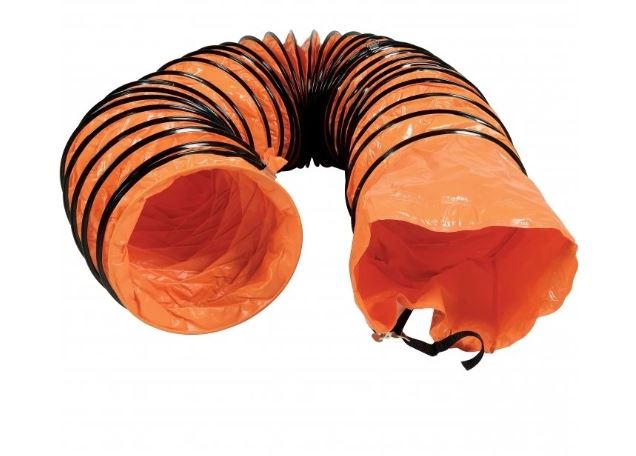
A1: Flexible air duct hoses, including those serving as vacuum pipes, are commonly manufactured from a range of polymers such as Polyurethane (PU), Polyvinyl Chloride (PVC), and Silicone, often reinforced with a spring steel wire helix or fabric plies. The choice of material depends on the application's specific requirements for abrasion resistance, temperature range, chemical resistance, and flexibility.
Q2: How do I choose the correct diameter for my `flexible duct hose` application?
A2: Selecting the correct diameter is crucial for efficient air/material flow and preventing pressure drop or blockages. It depends on factors like the volume of air or material to be conveyed, required flow velocity, and the specifications of your existing equipment (e.g., blowers, vacuum pumps). Consulting with our technical experts is recommended to ensure optimal sizing.
Q3: What are the main advantages of `flexible hose vacuum` over rigid piping?
A3: Flexible hoses offer significant advantages, including easier and faster installation due to their ability to bend around obstacles, reduced vibration transmission, lower noise levels, and often superior abrasion resistance in material handling. They are also ideal for temporary setups, areas requiring frequent reconfiguration, or connections to moving machinery, providing adaptability that rigid piping cannot match.
Q4: Can these `air duct hose` products handle both positive and negative pressure applications?
A4: Yes, many of our flexible air duct hoses are engineered to perform effectively under both positive pressure (blowing/delivery) and negative pressure (suction/vacuum) conditions. The integrated steel wire helix is specifically designed to prevent collapse under vacuum, ensuring robust performance across a wide range of operational pressures. Always check the specific working pressure and vacuum rating in the product's technical specifications.
Q5: What is the typical service life of a flexible air duct hose?
A5: The service life of a hose varies significantly based on its material, the severity of the application (e.g., temperature extremes, abrasion, chemical exposure), proper installation, and maintenance. High-quality hoses used within their specified operating parameters can last for many years. Regular inspection and replacement as per recommended schedules can prolong system integrity.
Logistics, Warranty, and Customer Support
At Kebing Hose, we understand that exceptional products must be complemented by reliable logistics, strong warranty commitments, and responsive customer support. Our goal is to ensure a seamless experience for our B2B partners, from initial inquiry to long-term operational success.
Lead Time and Fulfillment:
- Standard Lead Times: For our standard range of vacuum pipes and flexible air duct hoses, our typical lead time is 5-10 business days from order confirmation, depending on volume and current production schedules.
- Expedited Options: We offer expedited manufacturing and shipping services for urgent requirements, subject to material availability and a reasonable surcharge. Please contact our sales team to discuss specific timelines.
- Global Shipping Capabilities: Leveraging a robust network of logistics partners, we ensure efficient and reliable delivery to destinations worldwide, handling all necessary documentation and customs procedures.
- Customized Order Fulfillment: For large or custom orders, we work closely with clients to establish mutually agreeable production and delivery schedules, including phased shipments if required.
Warranty Commitments:
- Comprehensive Warranty: All Kebing Hose flexible air duct hoses are backed by a standard 12-month warranty from the date of purchase, covering manufacturing defects and material failures under normal operating conditions.
- Quality Assurance: This warranty reflects our confidence in our stringent quality control processes and the superior durability of our products.
- Claims Process: In the unlikely event of a warranty claim, our dedicated support team will guide you through a straightforward process to assess and resolve the issue promptly, ensuring minimal disruption to your operations.
Customer Support and After-Sales Service:
- Expert Technical Assistance: Our team of experienced engineers and product specialists is available to provide in-depth technical advice, assist with product selection, and offer guidance on installation and maintenance best practices for your `flexible hose vacuum` systems.
- Responsive Support Channels: We offer multiple channels for support, including phone, email, and online inquiry forms, ensuring that you can reach us quickly whenever you need assistance.
- Custom Engineering Support: For complex or highly specialized applications, we provide dedicated engineering consultation services to develop bespoke solutions, from design to prototyping and final production of `flexible duct hose` systems.
- Long-Term Partnership: Our commitment extends beyond the sale. We strive to build lasting partnerships by continuously offering support and value-added services throughout the lifecycle of our products, ensuring your industrial systems operate at peak performance.
Conclusion: The Indispensable Role of Advanced Vacuum Pipes
In summary, the role of modern flexible air duct hoses and vacuum pipes transcends that of simple conduits; they are critical engineering components that drive efficiency, ensure safety, and enable specialized operations across a vast spectrum of B2B industries. From their meticulous manufacturing processes, leveraging advanced material science, to their versatile application in challenging environments, these hoses are designed for durability, flexibility, and optimized performance.
The industry's continuous evolution, marked by demands for enhanced sustainability, lighter materials, and smart integration, underscores the need for expert partners who can deliver not just products, but comprehensive solutions. By prioritizing principles, offering extensive customization, and providing robust after-sales support, Kebing Hose positions itself as a trusted leader in providing high-quality, reliable, and technically superior flexible hose solutions that meet and exceed the rigorous demands of global industrial operations.
References
- International Organization for Standardization (ISO). ISO 1080:2020: Rubber and plastics hoses and hose assemblies — Textile-reinforced hydraulic hoses for vacuum and light suction applications — Specification.
- Air Movement and Control Association International (AMCA). ANSI/AMCA 210-16: Laboratory Methods of Testing Fans for Aerodynamic Performance Rating.
- ASTM International. ASTM D3768: Standard Test Method for Weight Loss of Plastic Materials and Fabricated Articles by Abrasive Wear.
- European Chemicals Agency (ECHA). REACH Regulation (EC) No 1907/2006.
- European Parliament. Directive 2011/65/EU on the restriction of the use of certain hazardous substances in electrical and electronic equipment (RoHS 2).
-
High Strength Industrial Clear Braided PVC Hose Pipe GuideNewsApr.16,2026
-
Industrial Reinforced Braided PVC Hose for Fluid Transfer GuideNewsApr.09,2026
-
Comprehensive Guide to Braided PVC Tubing Applications and BenefitsNewsApr.07,2026
-
Comprehensive Guide to Braided Clear Vinyl Tubing Applications and BenefitsNewsApr.04,2026
-
Comprehensive Guide to PVC Braided Hose Applications and SelectionNewsMar.31,2026
-
Comprehensive Guide to Selecting the Best Double Welding Hose for Your NeedsNewsMar.28,2026
 Afrikaans
 Albanian
 Arabic
 Azerbaijani
 Belarusian
 Bengali
 Bulgarian
 Czech
Czech
 Danish
 Dutch
Dutch
 Finnish
 French
 German
 Greek
Greek
 Hebrew
 Hindi
Hindi
 Hungarian
 Indonesian
 Irish
Irish
 Italian
 Japanese
 Kazakh
 Korean
 Kyrgyz
 Lao
Lao
 Latin
Latin
 Lithuanian
 Luxembourgish
 Malay
Malay
 Mongolian
 Myanmar
 Nepali
 Norwegian
 Persian
 Polish
 Portuguese
 Russian
 Serbian
 Slovak
 Spanish
 Swedish
 Tagalog
 Thai
Thai
 Turkish
 Ukrainian
 Uighur
 Uzbek
Uzbek
 Vietnamese
 Welsh
Welsh
 English