


Flexible Duct Hose | Durable Industrial Flexible Ducting Solutions
Understanding flexible duct hose: Insights from the field
Having spent a good chunk of my career knee-deep in factories and maintenance floors, I can say the humble flexible duct hose is one of those unsung heroes you hardly notice—until it’s not working. Oddly enough, it feels like such a simple piece of equipment but, in real terms, it’s essential for everything from dust collection in woodworking to fume extraction in chemical plants.
Over the years, I’ve seen how the right choice of flexible duct hose can save headaches. Often, plant engineers grapple with balancing durability, flexibility, and weight. This balance, frankly, can make or break an installation’s efficiency—plus reduce downtime in the long run.
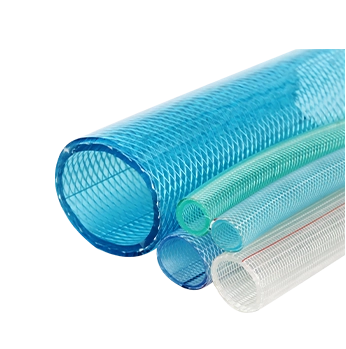
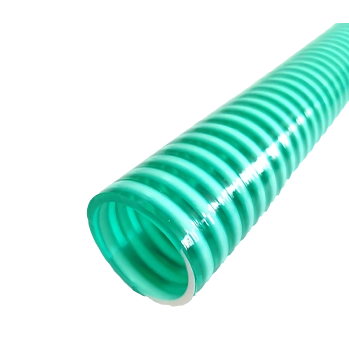
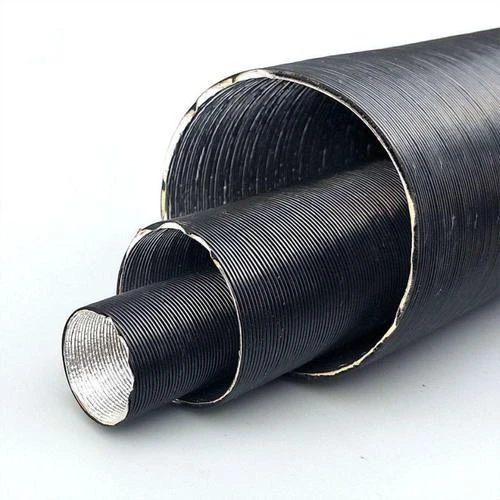
The construction of these hoses typically features a combination of tough synthetic polymers and embedded steel wires or reinforcement fibers. For example, PVC-coated fabrics remain a favorite because they resist abrasion while staying lightweight. Others prefer polyurethane or silicone coatings, especially in high-temperature or corrosive environments.
Testing standards have evolved too. Nowadays, hoses often undergo pressure and burst testing to ensure they’ll hold up under industrial demands. I remember one client who had multiple hose failures before switching to a model certified for 15 PSI burst pressure—it made a world of difference.
| Specification | Value / Range |
|---|---|
| Material | PVC-coated polyester, Polyurethane, Silicone |
| Temperature Range | -30°C to +150°C (depending on material) |
| Max Pressure | Up to 15 PSI |
| Diameter Range | 50mm to 1000mm |
| Reinforcement | Wire helix or polyester fiber |
| Typical Applications | Dust extraction, fume and gas conveyance, ventilation |
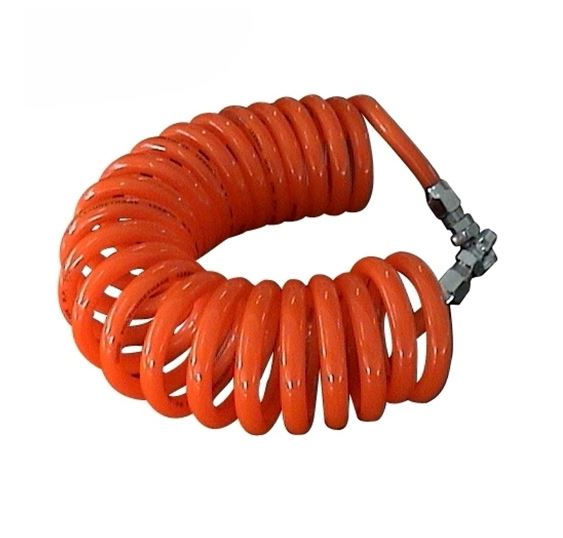
What I’ve noticed in recent years is that customization options have expanded greatly. You can get hoses tailored by diameter, length, coating type, and even colors to match different operational zones. This flexibility is a real boon to project managers juggling multiple specs.
Now, on to vendors. Not all hoses are created equal, and supplier expertise really counts. Some offer quick turnaround but limited product lines; others boast extensive testing facilities but at higher prices. Here’s a quick look comparing a few commonly used suppliers in our sector:
| Supplier | Lead Time | Customization | Price | Testing Certifications |
|---|---|---|---|---|
| KeBing Hose | 2-3 weeks | Extensive | Competitive | ISO, SGS |
| Vendor B | 1-2 weeks | Limited | Mid-range | CE Mark |
| Vendor C | 4+ weeks | Moderate | Premium | ISO, CE |
I once worked on a retrofit project where the site manager swore by flexible duct hose from KeBing Hose. Their prompt customer service and reliable specs helped us get the air handling system back up faster than expected. It felt like a small victory in a sea of challenges.
So, in wrapping up—whether you’re hunting for abrasion resistance, temperature endurance, or just something easy to handle, there’s a flexible duct hose out there suited to your needs. I suppose the key is knowing what trade-offs you’re willing to make and partnering with a vendor who can guide you through it.
After all, it's the little things in the factory that keep the whole operation humming.
References:
1. Industrial Hose Association Guidelines, 2023 Edition
2. "Selecting the Right Flexible Hose Material" - Industrial Tech Journal, 2022
3. KeBing Hose Product Data Sheet (https://www.kebinghose.com)
-
High Strength Industrial Clear Braided PVC Hose Pipe GuideNewsApr.16,2026
-
Industrial Reinforced Braided PVC Hose for Fluid Transfer GuideNewsApr.09,2026
-
Comprehensive Guide to Braided PVC Tubing Applications and BenefitsNewsApr.07,2026
-
Comprehensive Guide to Braided Clear Vinyl Tubing Applications and BenefitsNewsApr.04,2026
-
Comprehensive Guide to PVC Braided Hose Applications and SelectionNewsMar.31,2026
-
Comprehensive Guide to Selecting the Best Double Welding Hose for Your NeedsNewsMar.28,2026
 Afrikaans
 Albanian
 Arabic
 Azerbaijani
 Belarusian
 Bengali
 Bulgarian
 Czech
Czech
 Danish
 Dutch
Dutch
 Finnish
 French
 German
 Greek
Greek
 Hebrew
 Hindi
Hindi
 Hungarian
 Indonesian
 Irish
Irish
 Italian
 Japanese
 Kazakh
 Korean
 Kyrgyz
 Lao
Lao
 Latin
Latin
 Lithuanian
 Luxembourgish
 Malay
Malay
 Mongolian
 Myanmar
 Nepali
 Norwegian
 Persian
 Polish
 Portuguese
 Russian
 Serbian
 Slovak
 Spanish
 Swedish
 Tagalog
 Thai
Thai
 Turkish
 Ukrainian
 Uighur
 Uzbek
Uzbek
 Vietnamese
 Welsh
Welsh
 English