


Flexible Aluminum Foil Duct for HVAC & Ventilation Systems
Introduction to Advanced Aluminum Foil Duct Systems
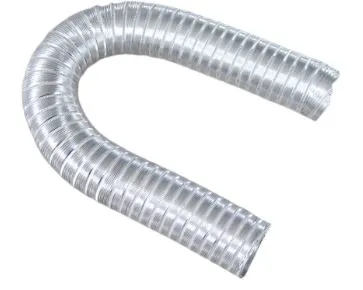
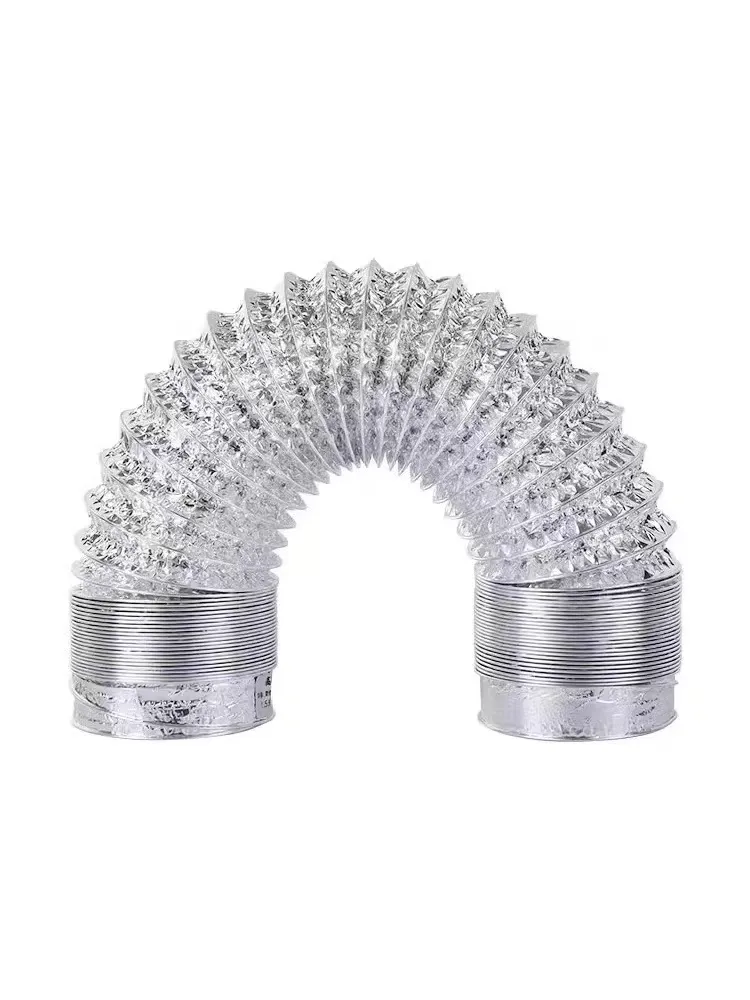
In industrial and commercial ventilation, heating, and cooling systems, the integrity and performance of air ducts are paramount. The aluminum foil duct stands as a critical component, engineered for its exceptional flexibility, thermal insulation properties, and corrosion resistance. These ducts are indispensable for efficient air transfer, smoke exhaust, and fume extraction in diverse environments, ranging from residential range hoods to complex industrial ventilation networks. Their design allows for easy installation in constrained spaces while maintaining high operational efficiency and safety standards. This comprehensive guide delves into the technical intricacies, application versatility, and market significance of these advanced ducting solutions.
Detailed Manufacturing Process & Material Specifications
The production of a high-quality aluminum foil duct involves a sophisticated multi-stage manufacturing process, ensuring both material integrity and functional performance. Understanding this process is key to appreciating the duct's durability and efficiency.
Key Materials
- Aluminum Foil: Typically made from high-grade aluminum alloy, often 1050 or 1100 series, known for its excellent ductility, corrosion resistance, and thermal conductivity. Thickness usually ranges from 0.08mm to 0.12mm.
- High-Tensile Steel Wire Helix: A continuous spring steel wire, usually galvanized or coated, forms the structural skeleton of the flexible aluminum foil duct. This provides mechanical strength, prevents collapse, and maintains the duct's circular cross-section.
- Adhesive/Sealant: A high-temperature resistant, flame-retardant adhesive is used to bond the aluminum foil layers to each other and encapsulate the steel helix, ensuring an airtight and durable seal.
Manufacturing Process Flow
- Foil Preparation: Large rolls of aluminum foil are unwound, often pre-coated with a thin polymer layer on one side for enhanced adhesion and tear resistance.
- Helix Forming: A continuous steel wire is fed into a forming machine that twists it into a precise helical coil. This helix forms the core structure.
- Foil Wrapping and Bonding (Casting/Extrusion Analog): The aluminum foil is then spiral-wrapped around the rotating steel helix. During this process, layers of foil are overlapped and sealed using specialized machinery. The adhesive is applied precisely to ensure strong lamination and airtightness. This step is akin to a continuous extrusion or casting process for shaping the duct.
- Curing and Setting: The newly formed duct undergoes a curing stage, often involving controlled heat, to fully activate and set the adhesive, creating a permanent bond between the foil layers and the steel helix.
- Cutting and Finishing: The continuous duct is cut into specified lengths. Ends are typically finished to prevent fraying and ensure easy connection to other system components.
- Quality Control & Testing: Each batch undergoes rigorous testing to ensure compliance with industry standards.
Testing Standards & Service Life
Aluminum foil hose products are subjected to stringent international testing standards to guarantee performance and safety. Key standards include:
- ISO 9001: For quality management systems throughout manufacturing.
- ASTM E84 / UL 181: For surface burning characteristics (flame spread and smoke development) crucial for fire safety in buildings.
- EN 13180: European standard for ventilation for buildings - ductwork - dimensions and mechanical requirements for flexible ducts.
- ASHRAE Standards: For HVAC system design and performance, ensuring thermal efficiency and airflow integrity.
The typical service life for a properly installed and maintained aluminium foil flexible duct can range from 10 to 20 years, depending on the operating environment (temperature, humidity, chemical exposure) and the quality of the original material and manufacturing.
Advantages in Typical Application Scenarios
- Energy Saving: The reflective properties of aluminum minimize heat loss or gain, contributing to HVAC system efficiency and reduced energy consumption.
- Corrosion Resistance: Aluminum's inherent resistance to oxidation and many corrosive agents makes it ideal for moist or chemically aggressive environments, prolonging system life.
- Flexibility & Ease of Installation: The helical structure allows for bending and shaping around obstacles without compromising airflow, significantly reducing installation time and labor costs compared to rigid ductwork.
- Fire Safety: Manufactured with fire-retardant materials, these ducts meet stringent fire safety regulations, mitigating risks in commercial and industrial settings.
Technical Specifications & Performance Parameters
Understanding the technical specifications of a flexible aluminum foil duct is crucial for proper system design and selection. Below are typical parameters for high-performance ducts.
Product Specification Table: Kebing Hose Range Hood Exhaust Pipe
| Parameter | Value/Description |
|---|---|
| Product Name | Range Hood Exhaust Pipe Aluminum Foil Flexible Pipe Ventilation Pipe |
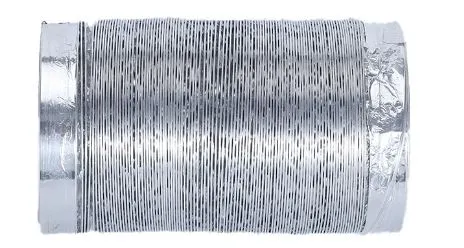
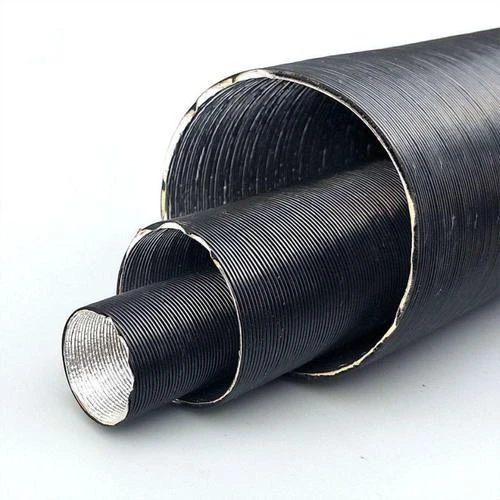
| Material Composition | Two layers of high-quality aluminum foil, reinforced with high-tensile spring steel wire helix. |
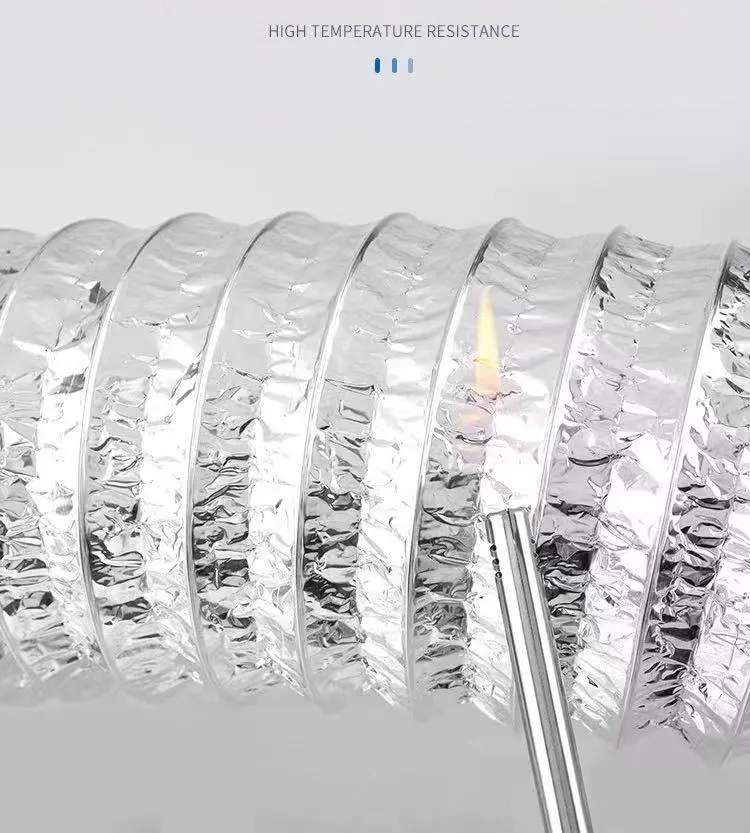
| Temperature Range | -30°C to +150°C (-22°F to +302°F) |
| Pressure Rating | Max. 2500 Pa (0.36 PSI) |
| Air Velocity | Max. 30 m/s (5900 FPM) |
| Diameter Range (ID) | 80mm to 500mm (3 inches to 20 inches) |
| Standard Lengths | 1m to 10m (3.3 ft to 33 ft) per section, customizable |
| Fire Rating | Self-extinguishing, meets UL 181 Class 1 or equivalent |
| UV Resistance | Good, suitable for indoor and protected outdoor installations |
| Chemical Resistance | Good against common household chemicals and mild industrial fumes |
Industry Trends & Market Dynamics for Flexible Ducting
The global market for flexible ducting, including the prominent aluminium foil flexible duct segment, is experiencing robust growth driven by several key trends:
- Increasing Construction Activity: Rapid urbanization and industrialization, particularly in emerging economies, are fueling demand for HVAC and ventilation systems in residential, commercial, and industrial buildings.
- Energy Efficiency Regulations: Stricter government regulations and growing environmental consciousness are pushing for more energy-efficient building materials and HVAC components. Flexible aluminum ducts, with their low air leakage rates and thermal properties, play a vital role.
- Indoor Air Quality (IAQ) Concerns: Heightened awareness of the importance of clean indoor air, especially post-pandemic, has increased the demand for effective ventilation systems in schools, hospitals, offices, and homes.
- Technological Advancements: Innovations in material science are leading to ducts with improved fire resistance, anti-microbial properties, and enhanced durability, further expanding their application scope.
- Ease of Installation: The inherent flexibility of these ducts significantly reduces installation time and labor costs, making them a preferred choice for installers over rigid ductwork in many scenarios.
Market analysis indicates that the global flexible duct market is projected to grow at a compound annual growth rate (CAGR) of over 5% from 2023 to 2028, with the aluminum foil duct segment holding a significant share due to its balanced cost-effectiveness and performance profile.
Diverse Application Scenarios and Target Industries
The versatility of the aluminum foil duct allows its application across a broad spectrum of industries and settings:
Target Industries
- HVAC & Refrigeration: Central to residential, commercial, and industrial heating, ventilation, and air conditioning systems for air supply and return.
- Residential Buildings: Essential for kitchen range hood exhaust, bathroom ventilation, dryer vents, and general domestic air circulation.
- Commercial Kitchens: For robust exhaust systems handling hot, greasy air from cooking appliances.
- Manufacturing & Industrial Facilities: Fume extraction in welding shops, dust collection in woodworking, and general air exchange in assembly lines.
- Chemical & Pharmaceutical Plants: For venting non-corrosive fumes and maintaining controlled environments, although specific chemical resistance needs careful selection.
- Data Centers: For cooling equipment and ensuring efficient heat dissipation.
- Marine and Automotive: Used in specialized ventilation systems where flexibility and corrosion resistance are critical.
Typical Application Scenarios (Experience Focus)
Consider a large-scale commercial kitchen where consistent high-volume exhaust is critical. An aluminum foil hose system is deployed for its ability to withstand high temperatures and resist grease buildup, ensuring efficient removal of cooking fumes and maintaining a safe working environment. Similarly, in a residential development, these ducts are the preferred choice for bathroom exhaust due to their ease of installation in tight ceiling spaces and their resistance to moisture, preventing mold and mildew growth. In small-scale industrial workshops, such as those performing light welding, the flexible nature allows for quick repositioning of fume extractors to capture localized pollutants, protecting worker health and complying with occupational safety standards.
Technical Advantages & Performance Benefits
The inherent properties and engineering design of the aluminum foil duct provide a distinct set of advantages over alternative ducting materials:
- Exceptional Flexibility: The spirally wound steel wire helix allows for significant bending and compression, making installation easy even around complex obstacles and in confined spaces. This minimizes the need for elbows and fittings, reducing airflow resistance and material costs.
- Superior Corrosion Resistance: Aluminum naturally forms a passive oxide layer, protecting it from rust and corrosion, especially in humid or corrosive environments. This extends the lifespan of the ductwork and reduces maintenance requirements.
- Excellent Thermal Performance: The aluminum foil acts as a radiant barrier, reflecting heat and contributing to better thermal insulation. This reduces heat loss in heating applications and heat gain in cooling applications, leading to significant energy savings.
- Lightweight Construction: Compared to rigid metal ducting, flexible aluminum foil duct is significantly lighter, simplifying transport, handling, and installation, which reduces labor intensity and structural support requirements.
- Fire Safety Compliance: Manufactured with self-extinguishing properties and adherence to critical fire ratings like UL 181, these ducts minimize fire spread risk, crucial for safety in commercial and residential buildings.
- Cost-Effectiveness: The combination of lower material costs (compared to stainless steel), reduced installation time, and long service life makes these ducts a highly economical solution for ventilation needs.
- Reduced Air Leakage: When properly installed with appropriate seals, these ducts offer low air leakage rates, ensuring that conditioned air reaches its destination efficiently without significant loss.
Customized Solutions & Vendor Comparison
While standard aluminium foil flexible duct products meet many requirements, the ability to provide customized solutions is a key differentiator for leading manufacturers.
Customized Solutions
Specialized applications often demand tailored specifications. Kebing Hose, for example, offers customization options including:
- Specific Diameters & Lengths: Beyond standard sizes, ducts can be manufactured to precise internal diameters and extended lengths to minimize joints and optimize system design.
- Enhanced Material Layers: Options for multi-layer foil construction or specialized coatings to achieve higher temperature resistance, increased chemical inertness, or improved abrasion resistance.
- Integrated Connectors: Pre-attached flanges, cuffs, or other connecting mechanisms to facilitate rapid, secure installation with specific HVAC components.
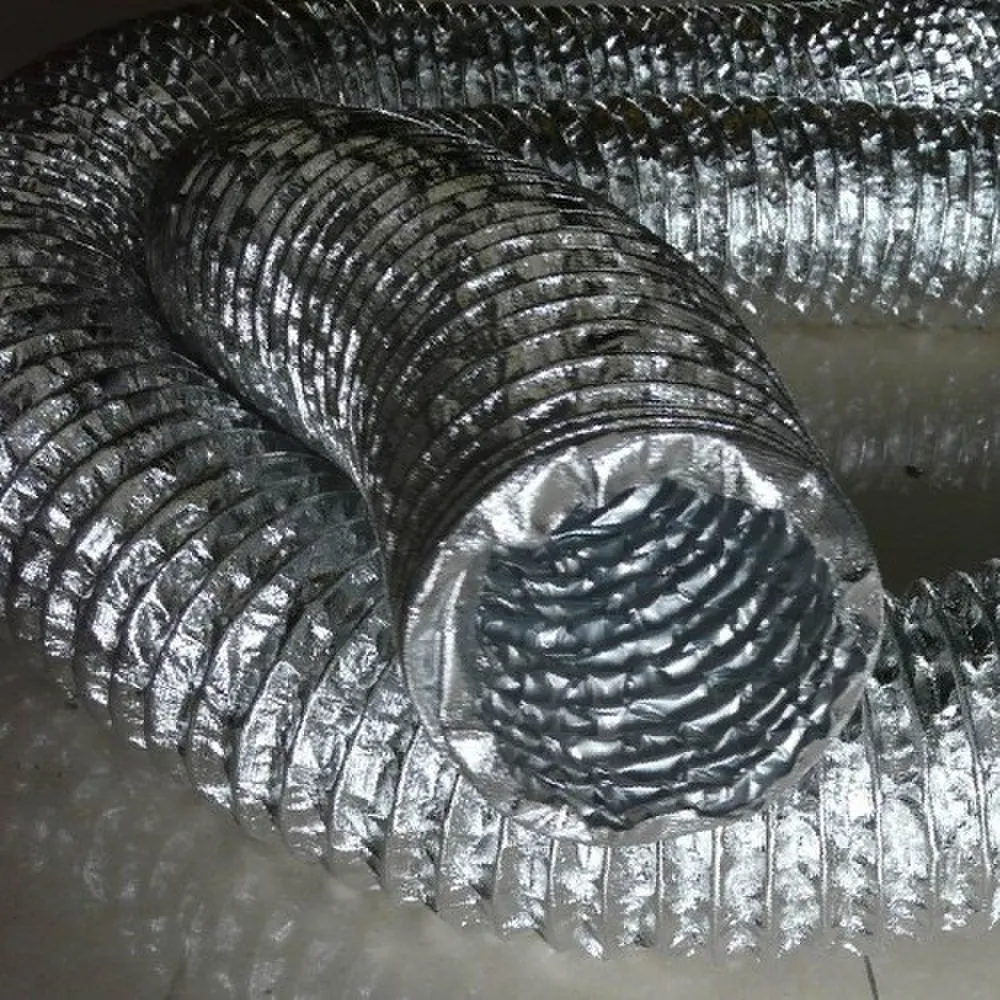
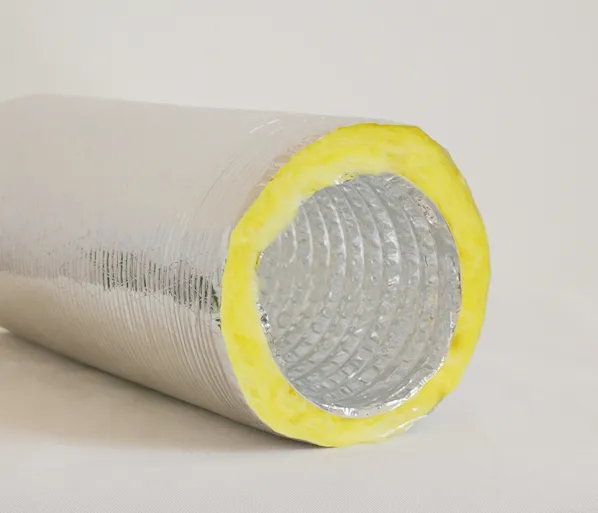
- Insulated Variants: Ducts can be supplied with integrated thermal insulation layers (e.g., fiberglass or polyester wool) encased in an outer jacket for superior thermal performance and condensation prevention.
- Color & Branding: For applications where aesthetics or brand consistency are important, outer jackets can be customized in various colors or with company branding.
Vendor Comparison Considerations
When selecting a supplier for aluminum foil duct, B2B decision-makers should evaluate vendors based on critical criteria:
| Criteria | High-Quality Vendor | Standard Vendor (Potential Risks) |
|---|---|---|
| Material Quality | Utilizes virgin, high-grade aluminum alloys (e.g., 1050/1100), strong galvanized steel wire, fire-retardant adhesives. | May use recycled or lower-grade aluminum, thinner wire, non-rated adhesives. (Risk: reduced lifespan, fire hazard). |
| Manufacturing Standards | ISO 9001 certified, consistent production methods, tight tolerances, robust sealing processes. | Inconsistent quality control, potential for air leakage at seams, poor structural integrity. (Risk: system inefficiency, frequent repairs). |
| Certifications & Compliance | UL 181, EN 13180, RoHS, CE, and other relevant regional/international safety and performance certifications. | Lack of comprehensive certifications or only basic compliance. (Risk: regulatory fines, safety hazards, project delays). |
| Customization Capability | Offers a wide range of custom diameters, lengths, material enhancements, and integrated solutions. | Limited to standard off-the-shelf products, requiring costly workarounds or compromises. (Risk: suboptimal system performance, higher installation costs). |
| Technical Support & Warranty | Comprehensive pre-sales consultation, detailed technical documentation, strong warranty, and responsive after-sales support. | Minimal support, unclear specifications, limited or absent warranty. (Risk: operational downtime, higher total cost of ownership). |
Application Case Studies & Customer Feedback
Real-world implementations highlight the tangible benefits of high-quality aluminum foil duct systems.
Case Study 1: Commercial HVAC Renovation
A large office building in a metropolitan area underwent a complete HVAC system overhaul. The original rigid ductwork presented significant installation challenges due to the building's historical architecture and limited ceiling space. By utilizing flexible aluminum foil duct, the installation team was able to navigate existing structural elements with ease, reducing installation time by an estimated 35%. Post-installation air balancing indicated optimal airflow distribution and minimal pressure drop. The project manager noted, "The flexibility and lightweight nature of the aluminum ducts were game-changers for this challenging renovation. We achieved superior airflow efficiency without compromising the building's structural integrity."
Case Study 2: Industrial Fume Extraction in a Welding Facility
A metal fabrication company required an upgraded fume extraction system to comply with new OSHA regulations. The existing system struggled with localized fume capture. Implementing aluminium foil flexible duct for drop lines to individual welding stations provided the necessary flexibility for workers to position extraction hoods precisely. The ducts' ability to withstand temperatures up to 150°C and their smooth interior surface (minimizing particle buildup) ensured efficient removal of welding fumes. This led to a 20% improvement in ambient air quality readings and significantly enhanced worker safety, with the facility manager commenting on the "robustness and adaptability" of the ducting solution.
Customer Feedback Overview
Across various sectors, customer feedback consistently praises the:
- Ease of handling and installation, significantly reducing labor costs.
- Durability and resistance to damage during transport and installation.
- Consistent performance in maintaining airflow and temperature.
- Reliability of material under specified operating conditions.
Ensuring Quality, Trust, and Support
Authoritative Certifications & Partnerships
Kebing Hose is committed to delivering products that not only meet but exceed industry standards. Our aluminum foil hose products are manufactured under strict ISO 9001:2015 certified quality management systems. This commitment ensures consistency and reliability across our product lines. Our products typically hold certifications such as UL 181 (for air ducts) and meet various European (EN) and American (ASTM) standards for fire resistance, mechanical strength, and material safety. We partner with numerous industrial clients and leading HVAC contractors across the globe, testament to our decade-long expertise and trusted service in the flexible ducting market.
Frequently Asked Questions (FAQ)
- Q: What is the primary difference between insulated and non-insulated aluminum foil duct?
- A: Non-insulated ducts are single or double-layer aluminum foil with a steel helix, suitable for general ventilation where temperature control is not critical. Insulated ducts add a layer of thermal insulation (e.g., fiberglass or polyester wool) between two duct layers, encapsulated by a protective outer jacket. They are designed to prevent heat loss/gain and condensation in HVAC systems.
- Q: Can aluminum foil duct be used outdoors?
- A: While the aluminum itself is corrosion-resistant, direct, prolonged exposure to UV radiation and harsh weather can degrade outer layers and adhesives over time. For outdoor applications, it is highly recommended to use an insulated flexible duct with a durable, UV-stabilized outer jacket (e.g., reinforced polyester or PVC) or ensure the duct is properly shielded from the elements.
- Q: How do you properly install a flexible aluminum foil duct?
- A: Proper installation involves extending the duct to its full length without stretching, minimizing bends, and supporting it at regular intervals (typically every 1.5-2 meters) to prevent sagging. Connections to plenums or fittings should be secured with clamps and sealed with appropriate duct tape or sealant to ensure airtightness and prevent leakage.
- Q: What is the temperature resistance of Kebing Hose's aluminum foil ducts?
- A: Our standard flexible aluminum foil duct products are designed to withstand temperatures ranging from -30°C to +150°C. Specific product variations may offer different temperature tolerances; always refer to the detailed product specifications.
Lead Time, Warranty & After-Sales Support
- Lead Time: Standard orders typically have a lead time of 7-14 business days, depending on volume and customization requirements. Expedited options are available upon request. For large-scale projects, specific production schedules are agreed upon during the quoting phase.
- Warranty: Kebing Hose provides a comprehensive 1-year limited warranty on all aluminum foil duct products, covering manufacturing defects and material failures under normal operating conditions. Extended warranty options may be available for specific project scales.
- Customer Support: Our dedicated technical support team is available from 8:00 AM to 6:00 PM (GMT+8), Monday to Friday, to assist with product selection, installation guidance, and troubleshooting. We offer both online and phone support to ensure prompt resolution of any inquiries.
Conclusion
The aluminum foil duct remains a cornerstone in modern ventilation and HVAC systems, offering an unmatched combination of flexibility, durability, and cost-effectiveness. Its ability to adapt to diverse environments, coupled with strong technical performance in terms of temperature, pressure, and corrosion resistance, positions it as a preferred solution for engineers and procurement specialists. As industries continue to prioritize energy efficiency, indoor air quality, and ease of installation, the demand for high-quality flexible aluminum foil duct will undoubtedly grow, driving further innovation in material science and manufacturing processes. Partnering with a reputable manufacturer committed to quality, customization, and robust support ensures long-term operational efficiency and safety for any project.
References
- American Society of Heating, Refrigerating and Air-Conditioning Engineers (ASHRAE). ASHRAE Handbook—HVAC Systems and Equipment.
- Underwriters Laboratories (UL). UL 181: Standard for Factory-Made Air Ducts and Air Connectors.
- International Organization for Standardization (ISO). ISO 9001: Quality management systems – Requirements.
- European Committee for Standardization (CEN). EN 13180: Ventilation for buildings – Ductwork – Dimensions and mechanical requirements for flexible ducts.
- Grand View Research. Flexible Duct Market Size, Share & Trends Analysis Report.
-
High Strength Industrial Clear Braided PVC Hose Pipe GuideNewsApr.16,2026
-
Industrial Reinforced Braided PVC Hose for Fluid Transfer GuideNewsApr.09,2026
-
Comprehensive Guide to Braided PVC Tubing Applications and BenefitsNewsApr.07,2026
-
Comprehensive Guide to Braided Clear Vinyl Tubing Applications and BenefitsNewsApr.04,2026
-
Comprehensive Guide to PVC Braided Hose Applications and SelectionNewsMar.31,2026
-
Comprehensive Guide to Selecting the Best Double Welding Hose for Your NeedsNewsMar.28,2026
 Afrikaans
 Albanian
 Arabic
 Azerbaijani
 Belarusian
 Bengali
 Bulgarian
 Czech
Czech
 Danish
 Dutch
Dutch
 Finnish
 French
 German
 Greek
Greek
 Hebrew
 Hindi
Hindi
 Hungarian
 Indonesian
 Irish
Irish
 Italian
 Japanese
 Kazakh
 Korean
 Kyrgyz
 Lao
Lao
 Latin
Latin
 Lithuanian
 Luxembourgish
 Malay
Malay
 Mongolian
 Myanmar
 Nepali
 Norwegian
 Persian
 Polish
 Portuguese
 Russian
 Serbian
 Slovak
 Spanish
 Swedish
 Tagalog
 Thai
Thai
 Turkish
 Ukrainian
 Uighur
 Uzbek
Uzbek
 Vietnamese
 Welsh
Welsh
 English