


Expert Insights on HVAC Duct Hose – Materials, Specs & Vendor Comparison
A Closer Look at HVAC Duct Hose: Practical Insights from the Field
Having spent over a decade in the industrial equipment sector, I’ve come across all sorts of ducting solutions. But the HVAC duct hose always stands out as a deceptively simple yet crucial piece of the puzzle in modern heating, ventilation, and air conditioning systems. It’s one of those components that don’t get much spotlight—in fact, many engineers barely give it a second thought until performance issues arise.
In real terms, the right duct hose can greatly affect airflow efficiency, noise levels, and even energy consumption. Oddly enough, I noticed on a recent project how switching to a high-quality flexible duct hose mitigated vibration and noise problems that had plagued an older installation for years.
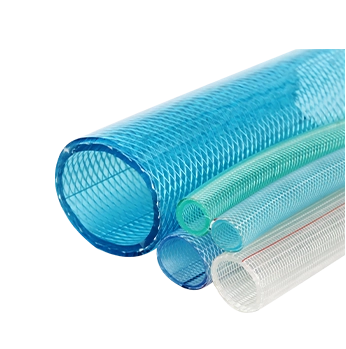
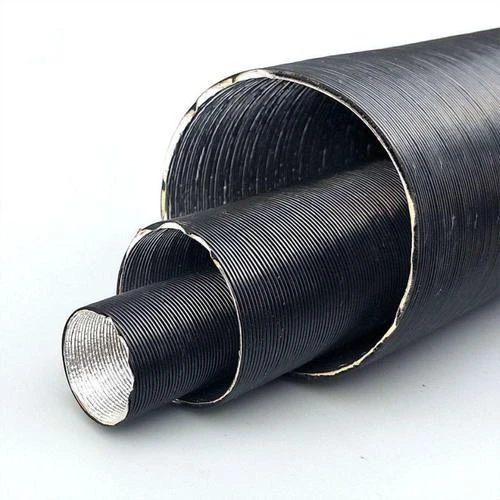
These hoses come in various designs and materials to suit different environmental and operational requirements. Some are fabric-reinforced, others metal, and some hybrid composites. The one constant is that they must resist temperature extremes, harsh chemicals, and mechanical wear. And frankly, not all suppliers offer equal quality or testing rigor.
Key Specifications of Typical HVAC Duct Hoses
| Specification | Details |
|---|---|
| Material | PVC-coated polyester fabric, aluminum, or stainless steel |
| Temperature Range | -30°C to +120°C (varies by material) |
| Diameter Range | 50 mm – 1000 mm |
| Pressure Rating | Vacuum to positive pressures up to 1500 Pa |
| Flexibility | High flexibility with spiral reinforcement |
| Fire Resistance | Compliant with relevant fire safety standards (ISO 6945 or UL 94–varies) |
From my experience, customization options play a big role in selecting duct hose. Sometimes a specific coating or reinforcement is needed to address chemical fumes or UV exposure. I've seen cases where the supplier's ability to tailor wall thickness or finish drastically improved the lifespan of the hoses installed outdoors.
Industry Vendors: How Do They Stack Up?
| Vendor | Material Variety | Customization | Testing Certification | Lead Times |
|---|---|---|---|---|
| Kebing Hose | Extensive (PVC, metal, hybrid) | Highly customizable (wall thickness, coatings) | ISO and UL certified | 4-6 weeks typical |
| Vendor B | Limited (mostly PVC) | Standard options only | Partial certifications | 2-4 weeks |
| Vendor C | Metal focused | Limited flexibility | Comprehensive certifications | 6-8 weeks |
One particular story that sticks with me is when a client faced ongoing maintenance headaches due to inferior duct hoses corroding under acidic fumes. After switching to a HVAC duct hose with chemical-resistant coating and spiral wire reinforcement, their downtime dropped sharply. They hadn’t realized just how much the duct hose quality factored into overall system reliability.
So, choosing the right HVAC duct hose is less about ‘just a hose’ and more about matching materials, design, and supplier expertise to the application. It’s a small part of the system, but it can punch well above its weight in terms of impact.
In the end, it feels like any seasoned pro will tell you: never underestimate the duct hose — it’s one of those humble heroes that keep your air moving smoothly, quietly, and safely.
References:
- ASHRAE Handbook – Fundamentals, 2017 Edition
- ISO Standards for Flexible Ducting (ISO 6945, ISO 2230)
- Kebing Hose Technical Documentation, 2023
-
High Strength Industrial Clear Braided PVC Hose Pipe GuideNewsApr.16,2026
-
Industrial Reinforced Braided PVC Hose for Fluid Transfer GuideNewsApr.09,2026
-
Comprehensive Guide to Braided PVC Tubing Applications and BenefitsNewsApr.07,2026
-
Comprehensive Guide to Braided Clear Vinyl Tubing Applications and BenefitsNewsApr.04,2026
-
Comprehensive Guide to PVC Braided Hose Applications and SelectionNewsMar.31,2026
-
Comprehensive Guide to Selecting the Best Double Welding Hose for Your NeedsNewsMar.28,2026

 Afrikaans
 Albanian
 Arabic
 Azerbaijani
 Belarusian
 Bengali
 Bulgarian
 Czech
Czech
 Danish
 Dutch
Dutch
 Finnish
 French
 German
 Greek
Greek
 Hebrew
 Hindi
Hindi
 Hungarian
 Indonesian
 Irish
Irish
 Italian
 Japanese
 Kazakh
 Korean
 Kyrgyz
 Lao
Lao
 Latin
Latin
 Lithuanian
 Luxembourgish
 Malay
Malay
 Mongolian
 Myanmar
 Nepali
 Norwegian
 Persian
 Polish
 Portuguese
 Russian
 Serbian
 Slovak
 Spanish
 Swedish
 Tagalog
 Thai
Thai
 Turkish
 Ukrainian
 Uighur
 Uzbek
Uzbek
 Vietnamese
 Welsh
Welsh
 English