


Durable & Versatile PVC Suction Hose Solutions for Industry & Relief
Understanding PVC Suction Hose: Why It Matters Globally
In today's interconnected industrial world, seemingly modest products like the pvc suction hose play outsized roles. Beyond just a piece of pipe, these hoses underpin operations that keep water moving, chemicals flowing, and disaster relief efforts functioning smoothly. The global market for flexible hoses is projected to grow substantially in the next decade, driven by urbanization, agriculture, and emergency preparedness initiatives. So understanding what a PVC suction hose really is—and why it’s everywhere—is not just technical curiosity but a peek into infrastructure lifelines worldwide.
Introduction: The Global Importance of PVC Suction Hoses
Look around at any construction site, agricultural field, or disaster relief camp, and you're likely to spot PVC suction hoses in action. According to the International Organization for Standardization (ISO 8330), industrial hoses must meet strict safety and durability standards—standards these hoses largely satisfy. The World Bank estimates that infrastructure development in emerging economies will require millions of meters of flexible hose products just to maintain the flow of water and fuel.
But there's a catch: many regions worldwide suffer from unreliable water access or chemical transfer safety issues, exacerbated by poor-quality hoses prone to collapse or contamination. Here, PVC suction hoses become vital tools to mitigate these challenges by offering a lightweight yet resilient solution.
What Exactly Is a PVC Suction Hose?
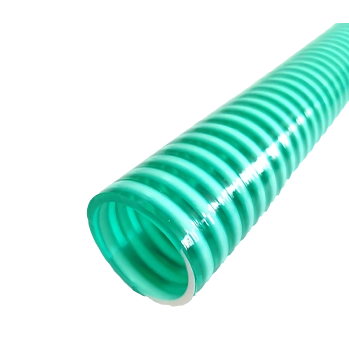
In plain terms, a PVC suction hose is a type of flexible tubing designed specifically to handle suction tasks—think pumping water out of flooded basements or transferring slurry in mining operations. Made primarily of polyvinyl chloride (PVC), these hoses combine durability with chemical resistance. Their reinforced structure allows them to withstand internal vacuum pressures without kinking or collapsing, which is crucial when suction is involved.
In modern industry, these hoses are indispensable for pumping, irrigation, and hazardous material handling. In humanitarian contexts, they’re lifesavers when deploying portable water systems quickly after natural disasters.
Core Aspects of PVC Suction Hoses
Durability & Reinforcement
The backbone of any effective suction hose lies in its ability to resist wear and pressure. PVC suction hoses often feature spiral wire reinforcements embedded within the tubing, allowing them to sustain vacuum without collapse. This design also protects against abrasion when dragged over rough surfaces.
Chemical & Temperature Resistance
Depending on formulation, PVC hoses exhibit chemical resistance to acids, oils, and solvents. Users in chemical industries value this highly. Most hoses handle temperatures between -10°C and 60°C, though special grades exist for more extreme conditions.
Flexibility & Weight
Compared to rubber hoses, PVC suction hoses are lighter and easier to handle—great when hoses need to be deployed quickly or moved frequently. Flexibility does tend to decline at lower temperatures, a caveat for cold-climate jobs.
Cost Efficiency
Mass production of PVC technology keeps costs reasonable, making these hoses a favorite for both small-scale farmers and large industrial firms. They also require minimal maintenance, reducing total cost of ownership.
Safety Compliance & Standards
Certified hoses meet ISO 3994 and EN 12115 (where applicable), ensuring safety during handling of potable water or fuel. This standardization means users can trust these hoses in critical operations.
Global Applications & Real-World Examples
Industries from agriculture in South America to mining in Australia rely heavily on PVC suction hoses. In Southeast Asia, these hoses support massive rice irrigation networks, ensuring crops are watered efficiently. Meanwhile, NGOs responding to floods in South Asia deploy them as quick-connect solutions for portable water pumps.
Oddly enough, they also show up in food processing plants across Europe, moving liquids without contaminating the product thanks to food-grade variants. The versatility across continents and purposes is fairly remarkable.
| Specification | Typical Value | Unit |
|---|---|---|
| Inner Diameter | 25 to 150 | mm |
| Working Pressure | 0.6 to 1.5 | MPa |
| Temperature Range | -10 to 60 | °C |
| Material | PVC with Reinforced Wire | - |
Advantages & Long-Term Impact of PVC Suction Hoses
- Cost-Effectiveness: Lower material and maintenance costs compared to rubber hoses.
- Environmental Impact: PVC is recyclable under proper programs and produces less waste in manufacturing.
- Reliability: Resistance to chemicals and vacuum pressure means less downtime and fewer replacements.
- Safety: Meeting international standards ensures safer handling of fuels and potable water.
- Social Benefits: Rapid deployment in emergencies means life-saving water transport and sanitation.
Many operators I’ve spoken with share that using PVC suction hoses isn’t just about “getting the job done.” It’s also about trust and the intangible dignity of providing consistent access to essentials like water or fuel.
Emerging Trends & Innovations in PVC Suction Hose Technology
The PVC hose industry continues evolving with next-gen formulations that reduce plasticizers and employ bio-based additives—making hoses greener. Smart sensors embedded in hoses are also an exciting frontier; these “digital hoses” can monitor pressure, wear, or leaks in real time, alerting users before failures occur.
Plus, with industrial automation and IoT integration growing globally, PVC suction hose products are evolving from passive tools into active components within complex supply chains.
Common Challenges & Thoughtful Solutions
No product is perfect. PVC suction hoses sometimes face issues like brittleness in freezing conditions or limited durability when exposed to UV rays without cover. Many engineers recommend using UV-resistant coatings or sleeves and considering hybrid materials for cold climates.
Also, while flexible, heavy-duty applications requiring extreme pressures might push hoses beyond PVC’s limits, recent blends with thermoplastic elastomers have helped expand operational ranges.
| Vendor | Product Range | Price Range | Special Features | Global Reach |
|---|---|---|---|---|
| Kebing Hose Co. | 10-150mm diameters | $$ | Reinforced spiral wire, UV resistant options | Asia, Europe, Americas |
| FlexiFlow Inc. | 25-200mm diameters | $$$ | Advanced polymer blends, heat resistant | North America, Europe |
| GlobalHose Ltd. | 20-120mm diameters | $ | Basic PVC suction hoses, budget-friendly | Africa, Asia |
FAQ: Your Common Questions About PVC Suction Hose
- Q: How long can a typical PVC suction hose be used before replacement?
- A: Under normal operating conditions, a well-maintained PVC suction hose can last 3 to 5 years. Usage environment, chemical exposure, and temperature fluctuations greatly influence lifespan.
- Q: Are PVC suction hoses safe for potable water applications?
- A: Yes, as long as the hose is certified food-grade and complies with relevant standards like NSF 61 or EN 12115, it can safely transport potable water without leaching harmful chemicals.
- Q: Can PVC suction hoses be used in freezing temperatures?
- A: Standard hoses may become brittle below -10°C; therefore, it’s recommended to use special cold-resistant formulations or insulation in colder climates.
- Q: How do I select the right diameter for my pump system?
- A: Choose a hose diameter that matches the pump outlet and suction capacity to avoid pressure drops or cavitation. Consulting pump specs and flow requirements helps pinpoint the ideal size.
In Closing: Why Invest in PVC Suction Hose Solutions?
Simply put, PVC suction hoses are quietly crucial connectors in a web of essential services—from agriculture and industry to emergency relief. They blend the best parts of durability, cost-efficiency, and safety, proving themselves time and again. If you’re hunting for a reliable suction hose for your next project or operation, I suggest exploring pvc suction hose options that balance innovation and proven performance.
After all, the pipes and hoses that keep industry running aren’t the flashiest parts of a story—but they are often its most dependable heroes.
References:
1. ISO 8330 – Rubber and plastics hoses and hose assemblies – Vocabulary
2. World Bank, Infrastructure Outlook Report 2022
3. UN Water, Sustainable Infrastructure Brief 2021
-
High Strength Industrial Clear Braided PVC Hose Pipe GuideNewsApr.16,2026
-
Industrial Reinforced Braided PVC Hose for Fluid Transfer GuideNewsApr.09,2026
-
Comprehensive Guide to Braided PVC Tubing Applications and BenefitsNewsApr.07,2026
-
Comprehensive Guide to Braided Clear Vinyl Tubing Applications and BenefitsNewsApr.04,2026
-
Comprehensive Guide to PVC Braided Hose Applications and SelectionNewsMar.31,2026
-
Comprehensive Guide to Selecting the Best Double Welding Hose for Your NeedsNewsMar.28,2026
 Afrikaans
 Albanian
 Arabic
 Azerbaijani
 Belarusian
 Bengali
 Bulgarian
 Czech
Czech
 Danish
 Dutch
Dutch
 Finnish
 French
 German
 Greek
Greek
 Hebrew
 Hindi
Hindi
 Hungarian
 Indonesian
 Irish
Irish
 Italian
 Japanese
 Kazakh
 Korean
 Kyrgyz
 Lao
Lao
 Latin
Latin
 Lithuanian
 Luxembourgish
 Malay
Malay
 Mongolian
 Myanmar
 Nepali
 Norwegian
 Persian
 Polish
 Portuguese
 Russian
 Serbian
 Slovak
 Spanish
 Swedish
 Tagalog
 Thai
Thai
 Turkish
 Ukrainian
 Uighur
 Uzbek
Uzbek
 Vietnamese
 Welsh
Welsh
 English