


Durable PVC Transparent Hose Pipe for Industrial Use | Kebing Hose
Why PVC Transparent Hose Pipe Still Leads Industrial Applications
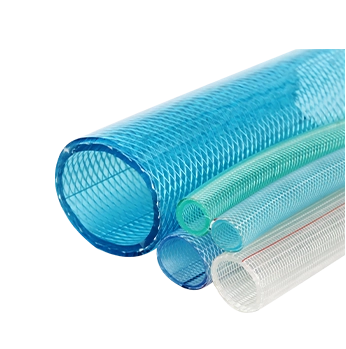
Having spent more than a decade in the industrial equipment sector, there’s one thing I’ve come to appreciate almost immediately: the simple yet reliable PVC transparent hose pipe is a real workhorse — you see them everywhere, from chemical plants to food processing lines. Oddly enough, despite all the complex materials out there, this humble hose often steals the show. It’s clear, literally and figuratively, what makes it such a favorite.
These hoses are made from polyvinyl chloride (PVC), which, frankly, hits a nice balance between flexibility, durability, and chemical resistance. What I find fascinating is how manufacturers tweak the formula—adding plasticizers for softness or layering in reinforcing fibers—to suit very specific operating demands. You get a hose that’s transparent enough to see liquids flowing, which is a huge plus in monitoring and safety checks.
Let me give you a quick snapshot of typical specs from a trusted PVC transparent hose pipe range I’ve worked with:
| Specification | Details |
|---|---|
| Material | Soft PVC with plasticizers |
| Diameter Range | 6mm to 100mm |
| Operating Pressure | Up to 10 bar (varies by thickness) |
| Temperature Range | -10°C to +65°C |
| Transparency | High, allows visual flow inspection |
| Reinforcement | Optional polyester braid or helix |
In real terms, why does all this matter? For starters, the transparent nature lets you quickly spot blockages or contamination without cutting the hose open — which has saved countless maintenance hours, believe me. Plus, the PVC’s flexibility means it doesn’t kink easily, and you can route it in tight spots without drama.
Now, if you’re ever wondered how choices stack up between suppliers, here’s a quick vendor comparison I jotted down based on my experience and customer feedback:
| Vendor | Price | Quality | Product Range | Delivery |
|---|---|---|---|---|
| Kebing Hose | Competitive | High consistency & durability | Extensive (diameters & reinforcements) | Reliable, global shipping |
| Generic Supplier A | Lower cost, variable quality | Occasional failures reported | Limited sizes | Sometimes delayed |
| Industrial Hose Co. | Premium pricing | Very high quality | Good size variety | Reliable |
I remember one instance when a small dairy processing plant called me up, struggling to find a transparent hose that could handle frequent cleaning chemicals without degrading. They were using a brittle hose that cracked quickly. After switching to a customized reinforced PVC transparent hose from Kebing, their downtime practically vanished. That’s the kind of real-world difference small details in material and design can make.
One should also highlight customization: you can specify thickness, reinforcement, length, and even additives that prevent microbial growth. This flexibility, frankly, is why the PVC transparent hose pipe remains a staple even amid newer materials and polymers emerging in the market.
To wrap it up, while the industrial hose market may look vast and complicated at first glance, the transparent PVC option ticks many boxes — inspection-friendly, flexible, cost-effective, and tested through decades. If you haven’t given it much thought before, I suppose now’s a good time.
Takeaway: For robust, visible, and versatile fluid transport, the PVC transparent hose pipe is one of those quietly strong choices that stands the test of time.
References:
1. PVC Material Handbook, Industrial Polymers Edition (2020)
2. Manufacturer Specifications, Kebing Hose (2024)
3. User Case Study: Dairy Plant Equipment, 2022
-
High Strength Industrial Clear Braided PVC Hose Pipe GuideNewsApr.16,2026
-
Industrial Reinforced Braided PVC Hose for Fluid Transfer GuideNewsApr.09,2026
-
Comprehensive Guide to Braided PVC Tubing Applications and BenefitsNewsApr.07,2026
-
Comprehensive Guide to Braided Clear Vinyl Tubing Applications and BenefitsNewsApr.04,2026
-
Comprehensive Guide to PVC Braided Hose Applications and SelectionNewsMar.31,2026
-
Comprehensive Guide to Selecting the Best Double Welding Hose for Your NeedsNewsMar.28,2026
 Afrikaans
 Albanian
 Arabic
 Azerbaijani
 Belarusian
 Bengali
 Bulgarian
 Czech
Czech
 Danish
 Dutch
Dutch
 Finnish
 French
 German
 Greek
Greek
 Hebrew
 Hindi
Hindi
 Hungarian
 Indonesian
 Irish
Irish
 Italian
 Japanese
 Kazakh
 Korean
 Kyrgyz
 Lao
Lao
 Latin
Latin
 Lithuanian
 Luxembourgish
 Malay
Malay
 Mongolian
 Myanmar
 Nepali
 Norwegian
 Persian
 Polish
 Portuguese
 Russian
 Serbian
 Slovak
 Spanish
 Swedish
 Tagalog
 Thai
Thai
 Turkish
 Ukrainian
 Uighur
 Uzbek
Uzbek
 Vietnamese
 Welsh
Welsh
 English