


Durable PVC Air Hose Factory Insights for Industrial Use
PVC Air Hose Factory: A Veteran’s Take from the Industrial Front
Having spent years in the industrial equipment arena, I can tell you one thing: not all PVC air hoses are created equal. Honestly, the story behind manufacturing these flexible, yet tough, tubes deserves a bit more spotlight than it usually gets. These hoses play a quiet but crucial role from factory floors to construction sites worldwide — and it’s fascinating how factories keep pushing the envelope on design and durability.
Now, let's talk materials first. PVC — polyvinyl chloride — is the star of the show mainly because it strikes a sweet balance: it’s lightweight, resistant to abrasion, and flexible enough to coil or mesh with various fittings. Frankly, it works just right for compressed air tools or pneumatic machinery where kink resistance matters. But the quality of PVC itself can vary, so a good factory will rigorously select resins and additives that improve UV resistance and cold weather performance. A cheap hose? You’ll notice it cracking or hardening over time, especially if used outdoors.
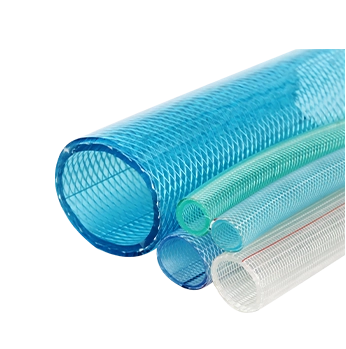
In my experience, the hose’s wall thickness and reinforcement are equally vital. That’s why most reliable factories reinforce their hoses with synthetic yarn or polyester braiding. It gives the hose enough burst strength to handle pressures upward of 10 bar (roughly 145 psi) — which, if you think about it, is quite a bit of pressure moving through a flexible tube. This level of safety margin isn’t just a nice-to-have; it’s essential to avoid unexpected failures that can halt production or even cause workplace injuries.
Speaking of standards, some factories implement ISO 2398 or similar certifications to test things like tensile strength, elongation at break, and chemical resistance. I've seen how these tests translate to real-world reliability. It’s not just paperwork; it's what keeps tools running smoothly when conditions get tough. Many industrial engineers I’ve spoken with swear by hoses that pass these standards; it just makes maintenance and inventory management easier.
One interesting trend I noticed recently is customization. More factories now offer tailored hose lengths, colors, and fittings to match particular industrial environments — like high-visibility colors for safety or food-grade PVC for food processing plants. Having those options straight from the factory means users don’t have to rely on aftermarket modifications that sometimes degrade hose lifespan.
Let me share a quick anecdote — a longtime friend who runs a mid-sized manufacturing plant told me about switching over to a PVC air hose from a trusted factory and how it dramatically cut down on downtime. The old hoses used to crack in winter, causing delays and costly repairs. With the newer hoses, the flexible yet sturdy material stood up to below-freezing temperatures without a fuss. Small upgrade, big impact.
PVC Air Hose Typical Specifications
| Specification | Typical Range | Notes |
|---|---|---|
| Inner Diameter | 6 mm to 50 mm | Varies by application |
| Working Pressure | 6 bar to 15 bar | Higher pressure needs reinforced hoses |
| Temperature Range | -10°C to 60°C | Some variants go lower/higher with additives |
| Material | PVC with synthetic fiber reinforcement | Depends on factory standards |
| Bending Radius | 5x inner diameter | Ensures flexibility without damage |
Comparison Between Leading PVC Air Hose Factories
| Feature | Factory A | Factory B | Factory C |
|---|---|---|---|
| ISO Certification | ISO 2398 | ISO 9001 | None |
| Max Pressure | 15 bar | 12 bar | 10 bar |
| Customization Options | Length, color, fittings | Length only | Limited |
| Delivery Speed | 2 weeks | 4 weeks | 3 weeks |
| Typical Price per meter | $1.50 | $1.20 | $1.00 |
Overall, if you’re in the market for quality PVC air hoses, finding a factory that balances adherence to standards, material quality, and flexibility with customization is key. PVC air hose factories like the one I’ve worked alongside understand the subtle, yet critical, details that make these hoses perform reliably over time.
At the end of the day, it feels like the right hose is not just about specs on paper but matching what the job demands in real terms — durability, ease of use, and safety. Small things like UV-resistant additives or tighter quality controls can really pay off when hoses face tough daily wear.
So, if you’re counting on hoses for pneumatic tools or factory automation, I’d say keep these factors in mind — and don’t skimp. After all, a hose is kind of the unsung workhorse in many industrial processes.
Just my two cents, but after years around the equipment, this is one piece of gear I always pay close attention to.
References:
1. ISO 2398 – International Standard for Rubber and Plastics Hoses
2. Kebing Hose Product Catalog - kebinghose.com
3. Field notes, personal experience in manufacturing plants (2010-2023)
-
High Strength Industrial Clear Braided PVC Hose Pipe GuideNewsApr.16,2026
-
Industrial Reinforced Braided PVC Hose for Fluid Transfer GuideNewsApr.09,2026
-
Comprehensive Guide to Braided PVC Tubing Applications and BenefitsNewsApr.07,2026
-
Comprehensive Guide to Braided Clear Vinyl Tubing Applications and BenefitsNewsApr.04,2026
-
Comprehensive Guide to PVC Braided Hose Applications and SelectionNewsMar.31,2026
-
Comprehensive Guide to Selecting the Best Double Welding Hose for Your NeedsNewsMar.28,2026
 Afrikaans
 Albanian
 Arabic
 Azerbaijani
 Belarusian
 Bengali
 Bulgarian
 Czech
Czech
 Danish
 Dutch
Dutch
 Finnish
 French
 German
 Greek
Greek
 Hebrew
 Hindi
Hindi
 Hungarian
 Indonesian
 Irish
Irish
 Italian
 Japanese
 Kazakh
 Korean
 Kyrgyz
 Lao
Lao
 Latin
Latin
 Lithuanian
 Luxembourgish
 Malay
Malay
 Mongolian
 Myanmar
 Nepali
 Norwegian
 Persian
 Polish
 Portuguese
 Russian
 Serbian
 Slovak
 Spanish
 Swedish
 Tagalog
 Thai
Thai
 Turkish
 Ukrainian
 Uighur
 Uzbek
Uzbek
 Vietnamese
 Welsh
Welsh
 English