


Durable Corrugated PVC Hose for Industrial Use – Reliable and Flexible
Understanding the Practical Benefits of Corrugated PVC Hose
Working in the industrial equipment sector for years, I've seen countless hoses come and go. But something about the corrugated PVC hose always strikes me as the unsung hero of material handling systems. It's like that reliable coworker you can count on when things get tough.
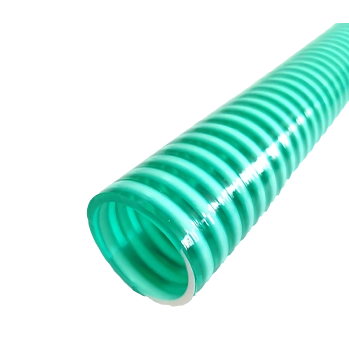
Corrugated PVC hoses are everywhere: they’re crucial in dust collection, vacuum applications, and even chemical transfer. Their design—with those characteristic ridges and flexible walls—makes them ideal for environments where rigidity just won't cut it.
Oddly enough, the corrugation isn't just about flexibility; it's also about strength and durability. Think about conveyors operating in dusty or abrasive environments. Flat hoses tend to kink or collapse, but corrugated ones keep their shape and keep materials moving.
What Makes Corrugated PVC Hose Stand Out in Industrial Use?
In real terms, the construction materials and manufacturing processes make a huge difference. Most corrugated PVC hoses feature smooth inner walls to reduce friction and material buildup, while the outer corrugations add that much-needed flexibility. The clever part? They combine chemical resistance with abrasion resistance, so they handle everything from dry powders to mildly corrosive liquids.
From my experience, the durability also comes from the PVC compound's formulation, often incorporating plasticizers and stabilizers that allow the hose to endure temperature fluctuations and mechanical stresses without cracking.
Customization is another key advantage. Suppliers who get this right offer various diameters, lengths, and pressure ratings. For specific conveyor systems, a hose that fits snugly yet flexes easily around bends usually saves a lot of downtime.
Typical Specifications for Corrugated PVC Hose
| Specification | Details |
|---|---|
| Material | Flexible PVC with plasticizers and stabilizers |
| Diameter Range | 25 mm to 200 mm (1" to 8") |
| Temperature Range | -10°C to +60°C (14°F to 140°F) |
| Working Pressure | Up to 0.2 MPa (29 psi) |
| Color Options | Transparent, Blue, Black, Green |
| Standards | RoHS Compliant, ISO 9001 Certified Production |
Choosing the Right Supplier: A Quick Comparison
It might surprise you, but not all corrugated PVC hoses are created equal, especially when you get down to details like chemical resistance or custom lengths. Here’s a quick rundown of three popular suppliers—I've worked with or heard feedback about—that supply these hoses for conveyor and industrial applications:
| Supplier | Material Quality | Customization Options | Lead Times | Typical Applications |
|---|---|---|---|---|
| Kebing Hose | High-grade PVC, stable plasticizers | Wide diameter & pressure range | 2–3 weeks | Dust collection, industrial vacuum, conveyors |
| FlexiTube Industries | Mid-tier PVC, omits some stabilizers | Standard sizes only | 1–2 weeks | Light industrial, gardening vacuum hoses |
| HosePro Solutions | Premium PVC blends, reinforced types | Highly customizable | 4–6 weeks | Heavy industry, chemical, food sector |
A Quick Story from the Field
I recall a conveyor setup at a cereal packaging plant where the abrasion rate was particularly high—they were moving dusty grains constantly, which wreaked havoc on flimsy tubing. Switching to a corrugated PVC hose from Kebing not only cut hose replacements by about 40%, but the system ran smoother with fewer stoppages. The plant manager was genuinely impressed, and honestly, it felt good to see a simple material switch make that kind of difference.
That said, it’s not a one-size-fits-all. You have to consider chemical exposure, temperature swings, and mechanical stress before settling on your hose type.
So next time you’re specifying a hose for your project, remember that corrugation isn’t just about looks—there’s real engineering magic behind all those ridges.
For more on reliable, flexible corrugated PVC hose options, Kebing offers a broad range built tough for real-world conditions.
Reflections and references:
1. Industry insights drawn from over a decade of materials handling experience.
2. Product specs courtesy of kebinghose.com technical sheets.
3. Casual feedback from plant technicians and engineers working with pneumatic conveying systems.
Always nice when performance and price align, right?
-
High Strength Industrial Clear Braided PVC Hose Pipe GuideNewsApr.16,2026
-
Industrial Reinforced Braided PVC Hose for Fluid Transfer GuideNewsApr.09,2026
-
Comprehensive Guide to Braided PVC Tubing Applications and BenefitsNewsApr.07,2026
-
Comprehensive Guide to Braided Clear Vinyl Tubing Applications and BenefitsNewsApr.04,2026
-
Comprehensive Guide to PVC Braided Hose Applications and SelectionNewsMar.31,2026
-
Comprehensive Guide to Selecting the Best Double Welding Hose for Your NeedsNewsMar.28,2026
 Afrikaans
 Albanian
 Arabic
 Azerbaijani
 Belarusian
 Bengali
 Bulgarian
 Czech
Czech
 Danish
 Dutch
Dutch
 Finnish
 French
 German
 Greek
Greek
 Hebrew
 Hindi
Hindi
 Hungarian
 Indonesian
 Irish
Irish
 Italian
 Japanese
 Kazakh
 Korean
 Kyrgyz
 Lao
Lao
 Latin
Latin
 Lithuanian
 Luxembourgish
 Malay
Malay
 Mongolian
 Myanmar
 Nepali
 Norwegian
 Persian
 Polish
 Portuguese
 Russian
 Serbian
 Slovak
 Spanish
 Swedish
 Tagalog
 Thai
Thai
 Turkish
 Ukrainian
 Uighur
 Uzbek
Uzbek
 Vietnamese
 Welsh
Welsh
 English