


Durable and Cost-Effective Pvc Reinforced Tubing for Industrial Use | KEBING Hose
Pvc Reinforced Tubing is a key solution in the industry, specifically within sectors such as chemical processing, food and beverage, and water treatment. This article explores how https://www.kebinghose.com supports professionals with durable, high-performance products, and explains why this product is an ideal choice for businesses in these sectors.
Table of Contents
- Pvc Reinforced Tubing Overview
- Benefits & Use Cases of Pvc Reinforced Tubing
- Cost, Maintenance & User Experience
- Sustainability & Market Trends
Pvc Reinforced Tubing Overview
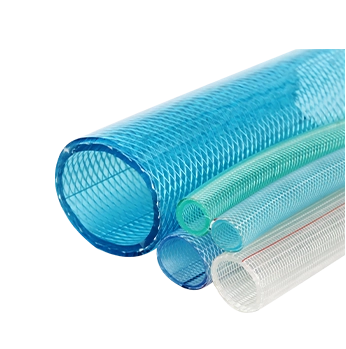
The term Pvc Reinforced Tubing might sound a bit technical at first, but its role is pretty straightforward: it’s a flexible hose made from polyvinyl chloride (PVC), enhanced by internal reinforcement to withstand higher pressure and repeated handling. These tubing products are everywhere in industry — think chemical transfer lines, pneumatic systems, or even food processing lines. What makes it especially relevant: its resilience combined with clear chemical resistance and affordability.
Technically speaking, the reinforced layer—often a polyester or nylon braid—embedded within the clear or colored PVC sheath boosts mechanical strength dramatically. For example, in a case study with a major beverage manufacturer, switching to PVC reinforced tubing from a less robust option resulted in a 30% reduction in leaks and downtime. That’s not trivial in fast-paced production environments.
| Specification | Details |
|---|---|
| Material | Flexible PVC with nylon reinforcement |
| Operating Temperature | -5°C to 65°C (23°F to 149°F) |
| Maximum Pressure | Up to 10 bar (145 psi) |
| Diameter Range | Inner: 6mm to 50mm |
| Color Options | Transparent, blue, black, custom colors available |
Benefits & Use Cases of Pvc Reinforced Tubing
Oddly enough, what draws many B2B buyers to PVC reinforced tubing isn’t just durability. It’s that rare sweet spot where cost-efficiency meets dependable performance. Industries from pharmaceuticals to agriculture swear by these tubes because they handle chemicals and water with minimal risk of degradation. Plus, the flexibility makes installation easier in tight or twisting setups.
Specific applications tend to include water supply lines, compressed air systems, and food-grade liquid delivery—where standards require non-toxic, easy-to-clean materials. The reinforced layer means it won’t kink or collapse under pressure, unlike plain PVC tubes. Many engineers I've talked to say this also reduces maintenance headaches down the line, which is a big deal when uptime means profit.
Cost, Maintenance & User Experience
In real terms, purchasing Pvc Reinforced Tubing means thinking about total cost of ownership, not just the sticker price. These tubes last longer because the reinforcement layer strengthens the PVC’s structure, which frankly saves a surprising amount in replacements and repairs. The ROI is often seen in the first year of use through fewer line failures and less downtime.
Feedback from customers at KEBING Hose highlights that their tubing’s smooth interior surface also helps reduce sediment buildup—handy for industries using water repeatedly. Overall, users describe installation as straightforward, often finding that they can adapt tubing lengths and diameters without the usual fuss. It’s these small wins that accumulate into a strong business case.
Sustainability & Market Trends
Sustainability in plastic products is a complex subject, and Pvc Reinforced Tubing is no exception. Manufacturers including KEBING Hose have started innovating towards more recyclable and lead-free PVC compounds, meeting evolving regulations worldwide. This makes a difference especially in Europe and North America, where environmental rules are tightening.
Market analysts note steady growth in demand for flexible tubing largely because of ongoing automation and miniaturization in industrial systems. The tubing must keep pace with these trends by being lighter, more versatile, and easier to customize—and Pvc Reinforced Tubing fits that bill. It’s a good bet that we’ll see even more eco-conscious material blends coming down the pipeline in the near future.
| Vendor | Material Quality | Price Range | Customization Options | Sustainability Focus |
|---|---|---|---|---|
| KEBING Hose | High-grade PVC + nylon reinforcement | Competitive | Full custom diameters/colors | Lead-free formulas, recyclable packaging |
| Vendor B | Standard PVC, polyester braid | Mid-range | Limited colors, fixed sizes | Basic recycling options |
| Vendor C | Mixed PVC, no reinforcement | Low-cost | No customization | Minimal environmental considerations |
Frequently Asked Questions about Pvc Reinforced Tubing
- What is Pvc Reinforced Tubing and how does it work?
- Basically, it’s a tubing made from PVC plastic but with a strong braided layer inside, usually nylon or polyester. This reinforcement allows the tubing to handle higher pressures and prevents collapse when bent, which is key in many industrial uses.
- What are the main benefits of using Pvc Reinforced Tubing in industrial applications?
- Durability, flexibility, and resistance to chemicals are top benefits. It also tends to be cost-effective compared to metal tubing and easier to install. Many users report less maintenance because the tubing holds up well under stress.
- How does Pvc Reinforced Tubing compare to traditional alternatives?
- Compared to rigid metal or plain PVC tubing, reinforced PVC offers more flexibility and fewer kink problems, while maintaining strength under pressure. It also weighs less and resists corrosion better, making it attractive for many modern industries.
- What industries can benefit most from Pvc Reinforced Tubing implementation?
- Primary sectors include chemical manufacturing, food & beverage processing, pharmaceuticals, agriculture irrigation, and automotive. Each has specific cases where durability and safety requirements make reinforced PVC tubing a go-to choice.
Conclusion on Pvc Reinforced Tubing from china
To wrap things up, Pvc Reinforced Tubing stands out as a smart, versatile solution for a wide range of industries needing reliable and cost-effective fluid handling. Its combination of strength, flexibility, and improving sustainability credentials makes it worth considering for your next project—especially if downtime or replacement costs have been a pain point.
- Recap the value of Pvc Reinforced Tubing.
- Visit our website: https://www.kebinghose.com
I suppose when you boil it down, it’s about balancing performance with sensible cost—a classic B2B equation—and here, Pvc Reinforced Tubing really delivers.
-
High Strength Industrial Clear Braided PVC Hose Pipe GuideNewsApr.16,2026
-
Industrial Reinforced Braided PVC Hose for Fluid Transfer GuideNewsApr.09,2026
-
Comprehensive Guide to Braided PVC Tubing Applications and BenefitsNewsApr.07,2026
-
Comprehensive Guide to Braided Clear Vinyl Tubing Applications and BenefitsNewsApr.04,2026
-
Comprehensive Guide to PVC Braided Hose Applications and SelectionNewsMar.31,2026
-
Comprehensive Guide to Selecting the Best Double Welding Hose for Your NeedsNewsMar.28,2026
 Afrikaans
 Albanian
 Arabic
 Azerbaijani
 Belarusian
 Bengali
 Bulgarian
 Czech
Czech
 Danish
 Dutch
Dutch
 Finnish
 French
 German
 Greek
Greek
 Hebrew
 Hindi
Hindi
 Hungarian
 Indonesian
 Irish
Irish
 Italian
 Japanese
 Kazakh
 Korean
 Kyrgyz
 Lao
Lao
 Latin
Latin
 Lithuanian
 Luxembourgish
 Malay
Malay
 Mongolian
 Myanmar
 Nepali
 Norwegian
 Persian
 Polish
 Portuguese
 Russian
 Serbian
 Slovak
 Spanish
 Swedish
 Tagalog
 Thai
Thai
 Turkish
 Ukrainian
 Uighur
 Uzbek
Uzbek
 Vietnamese
 Welsh
Welsh
 English