


Comprehensive Guide to Understanding Oxy Acetylene Hose Sizes and Selection
Understanding Oxy Acetylene Hose Sizes: A Comprehensive Guide
When working with oxy-acetylene systems, selecting the correct oxy acetylene hose sizes is crucial for safety and efficiency. Improper sizing can lead to reduced gas flow, uneven flame characteristics, and even potential hazards. This article will provide a detailed overview of the different hose sizes, their applications, and factors to consider when making your selection. We'll cover everything from identifying the right internal diameter to understanding the pressure ratings and construction materials. Choosing the right hose ensures optimal performance and minimizes risks associated with oxy-acetylene welding and cutting.
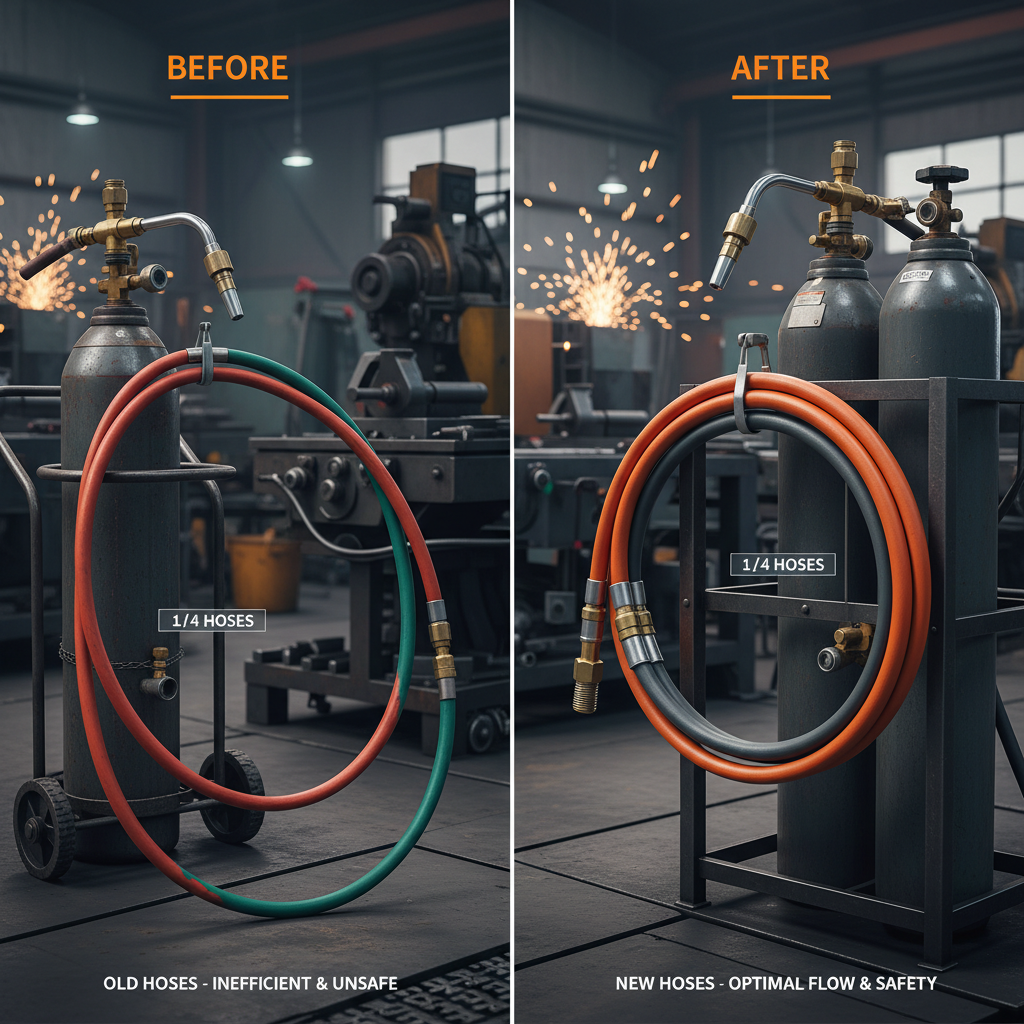
Standard Oxy Acetylene Hose Sizes
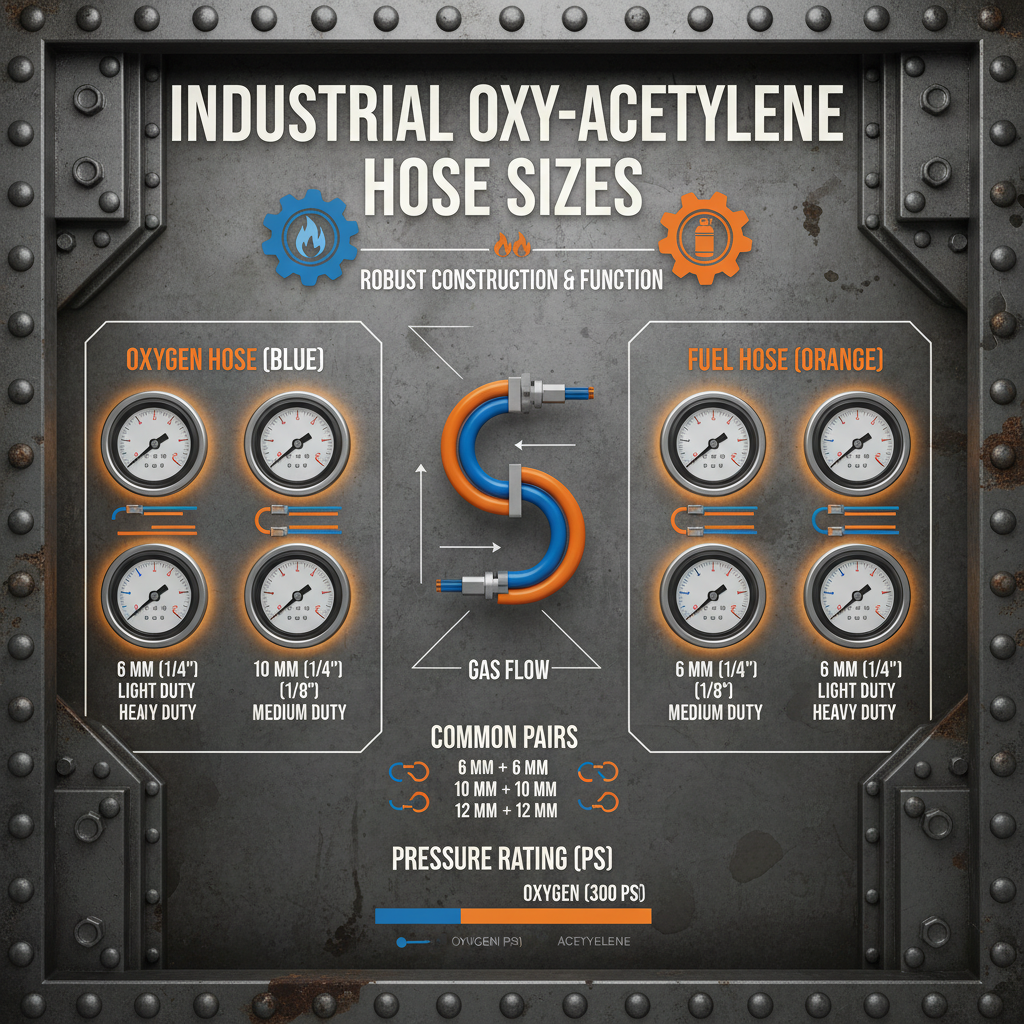
The most common oxy acetylene hose sizes are designated by an ID (Internal Diameter) number. This number doesn't directly correlate to a specific measurement in inches or millimeters, but rather a sizing convention within the industry. The most frequently used sizes are ID 1/4", ID 3/8", and ID 5/8". Each size is designed to accommodate different flow rates and applications. ID 1/4" is typically used for oxygen, while ID 3/8" is common for acetylene. However, this isn’t a hard rule and depends on the application's demands. Understanding these standard sizes is the first step toward selecting the right hose for your needs.
Key Takeaway: The ID number indicates the relative size and flow capacity of the hose, not a direct measurement.
Oxygen vs. Acetylene Hose Size Considerations
Oxygen and acetylene require different hose sizes due to their differing flow requirements and pressures. Oxygen, being a non-flammable gas, generally requires a smaller diameter hose (typically ID 1/4") to maintain sufficient pressure for clean and efficient cutting or welding. Acetylene, on the other hand, requires a larger diameter hose (often ID 3/8" or even ID 5/8" for heavier applications) because it has a lower burning velocity and needs a greater volume of gas to achieve a stable flame. Using the wrong size hose for each gas can significantly impact the quality of your work and potentially create a safety hazard.
Key Differences:
• Oxygen typically uses ID 1/4" hose.
• Acetylene typically uses ID 3/8" or ID 5/8" hose.
• Proper sizing ensures optimal gas flow and flame stability.
Comparing Common Oxy Acetylene Hose Sizes
Let’s take a closer look at the common oxy acetylene hose sizes and their typical applications. The following table illustrates the key differences:
Hose Construction and Pressure Ratings
The construction of your oxy acetylene hose also plays a critical role in its safety and performance. Hoses are typically made from a combination of materials, including rubber, reinforced with multiple layers of braided fabric (often nylon or aramid fibers) to withstand high pressures. Pressure ratings are crucial – ensure the hose’s working pressure exceeds the maximum pressure of your oxy-acetylene system. Look for hoses clearly marked with their pressure ratings. Kebing Hose offers a variety of hoses with different pressure capabilities to suit a range of applications.
Conclusion: Choosing the Right Hose for Your Needs
Selecting the correct oxy acetylene hose sizes is paramount for safe and efficient operation. By understanding the different sizes, their applications, and the importance of pressure ratings, you can make an informed decision that ensures optimal performance and minimizes risks. Consider the type of work you’ll be doing, the gases you’ll be using, and the pressure requirements of your system. At Kebing Hose, we offer a comprehensive selection of high-quality oxy-acetylene hoses to meet your specific needs.
Frequently Asked Questions (FAQs)
What happens if I use the wrong oxy acetylene hose size?
Using the incorrect hose size can lead to several problems. A hose that’s too small will restrict gas flow, resulting in an unstable flame, reduced cutting or welding efficiency, and potential backfires. A hose that’s too large can cause inconsistent gas pressure and potentially affect the quality of your work. It can also create a safety hazard if the hose isn't adequately reinforced to handle the full gas flow. Always prioritize using the recommended hose size for the specific application and gas type.
How often should I replace my oxy acetylene hoses?
Oxy acetylene hoses should be inspected regularly for cracks, abrasions, and leaks. Even if no visible damage is present, it’s generally recommended to replace hoses every 3-5 years, or sooner if they are used heavily or exposed to harsh conditions. Rubber deteriorates over time, and the reinforcing layers can weaken, compromising the hose’s safety. A proactive replacement schedule is crucial for maintaining a safe working environment.
What should I look for when inspecting oxy acetylene hoses?
When inspecting your hoses, pay close attention to any signs of wear and tear. Look for cracks in the rubber, abrasions on the outer surface, bulges or kinks in the hose, and leaks around the fittings. Also, check the hose for any signs of oil or chemical contamination, as these can degrade the rubber. If you find any damage, replace the hose immediately. Regularly inspecting your hoses is a simple but vital safety precaution.
Where can I find high-quality oxy acetylene hoses?
You can find a wide range of high-quality oxy acetylene hoses at Kebing Hose. We offer hoses in various sizes and pressure ratings, constructed from durable materials to ensure safety and performance. Our team can help you select the right hose for your specific application and provide expert advice on proper usage and maintenance. We are committed to providing our customers with reliable and safe products.
-
High Strength Industrial Clear Braided PVC Hose Pipe GuideNewsApr.16,2026
-
Industrial Reinforced Braided PVC Hose for Fluid Transfer GuideNewsApr.09,2026
-
Comprehensive Guide to Braided PVC Tubing Applications and BenefitsNewsApr.07,2026
-
Comprehensive Guide to Braided Clear Vinyl Tubing Applications and BenefitsNewsApr.04,2026
-
Comprehensive Guide to PVC Braided Hose Applications and SelectionNewsMar.31,2026
-
Comprehensive Guide to Selecting the Best Double Welding Hose for Your NeedsNewsMar.28,2026
 Afrikaans
 Albanian
 Arabic
 Azerbaijani
 Belarusian
 Bengali
 Bulgarian
 Czech
Czech
 Danish
 Dutch
Dutch
 Finnish
 French
 German
 Greek
Greek
 Hebrew
 Hindi
Hindi
 Hungarian
 Indonesian
 Irish
Irish
 Italian
 Japanese
 Kazakh
 Korean
 Kyrgyz
 Lao
Lao
 Latin
Latin
 Lithuanian
 Luxembourgish
 Malay
Malay
 Mongolian
 Myanmar
 Nepali
 Norwegian
 Persian
 Polish
 Portuguese
 Russian
 Serbian
 Slovak
 Spanish
 Swedish
 Tagalog
 Thai
Thai
 Turkish
 Ukrainian
 Uighur
 Uzbek
Uzbek
 Vietnamese
 Welsh
Welsh
 English