


Comprehensive Guide to Selecting the Right Hose Oxygen Acetylene for Safe Operations
Choosing the Right Hose Oxygen Acetylene: A Comprehensive Guide
When working with oxygen and acetylene, safety is paramount. The right hose oxygen acetylene is crucial for preventing accidents and ensuring efficient operations. This article provides a detailed overview of selecting the appropriate hose, its applications, safety considerations, and where to find high-quality options like those offered by Kebing Hose. Proper hose selection is not just about compatibility with your equipment; it’s about protecting yourself and your workspace.
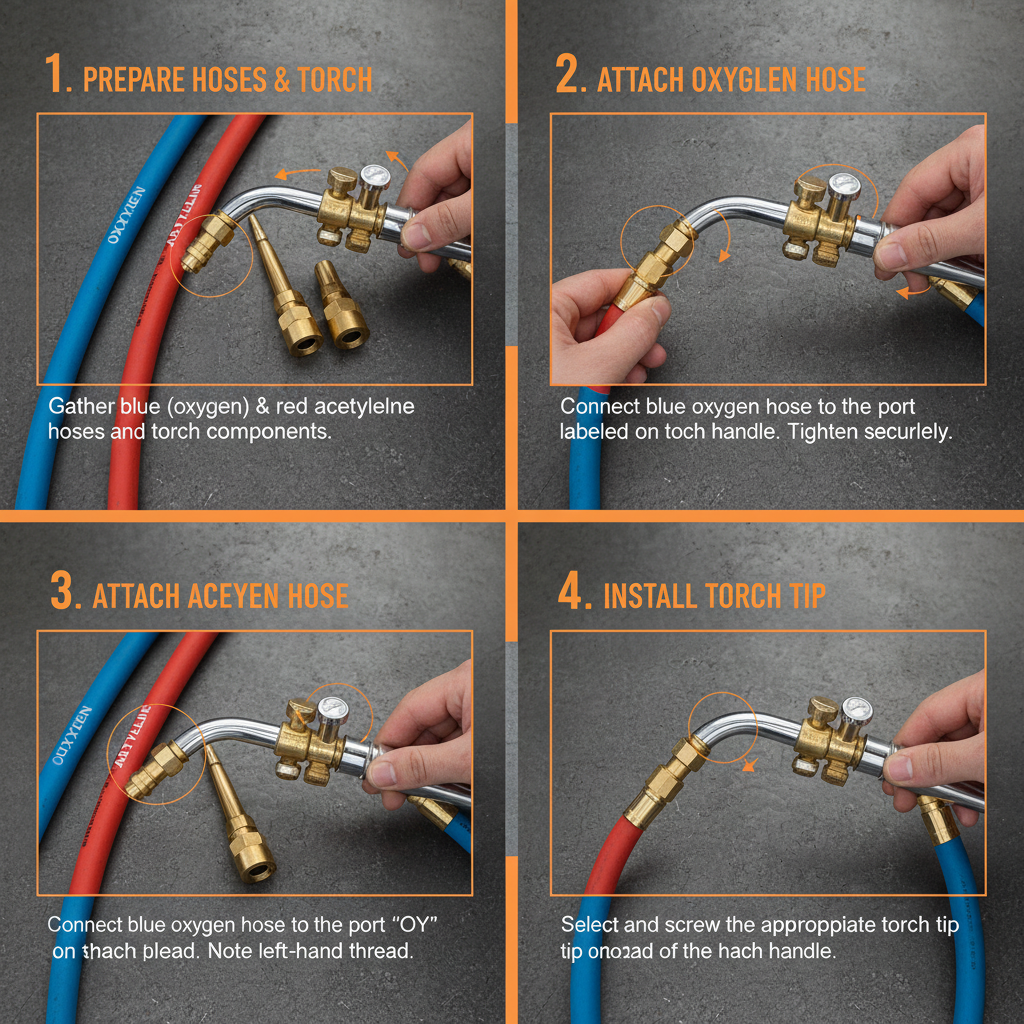
Understanding Hose Oxygen Acetylene: Key Considerations
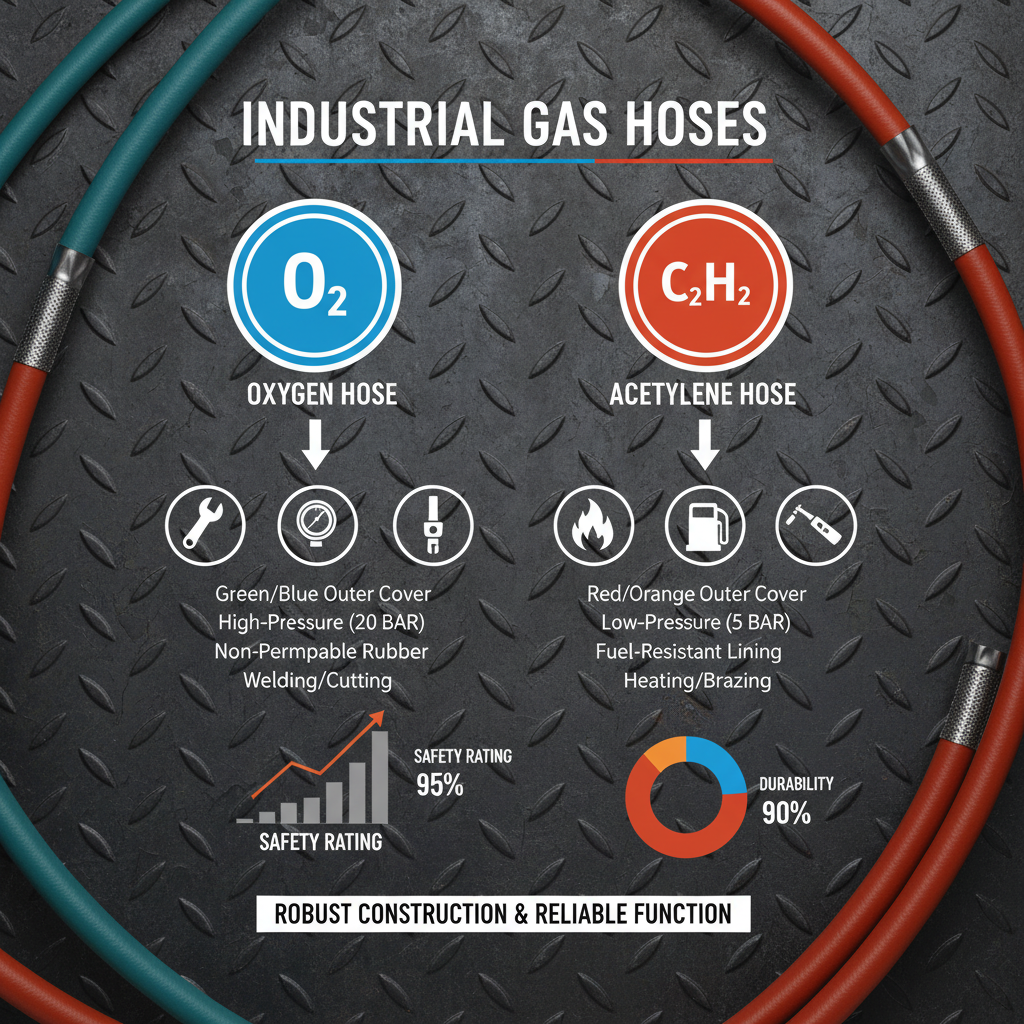
Hose oxygen acetylene are specifically designed to handle the high pressures and unique requirements of oxy-fuel gas welding, cutting, and heating. Unlike standard hoses, these are built with materials that won't react with oxygen or acetylene, preventing leaks and potential explosions. The construction of the hose – inner tube, reinforcement layers, and outer cover – plays a vital role in its safety and performance. Choosing the right hose type based on the application is essential, considering factors like gas pressure, temperature, and potential hazards. Kebing Hose provides a wide range of options tailored to various needs.
Key Features: Specialized construction to withstand high pressures, compatible with oxygen and acetylene, prevents leaks, and enhances safety.
Types of Hose Oxygen Acetylene: A Detailed Look
Several types of oxygen acetylene hose are available, each suited for different applications. Twin hoses, with separate lines for oxygen and acetylene, are the most common. Single hoses, while less common, are used in specific applications. High-pressure hoses are designed for heavier-duty tasks requiring greater gas flow. Consider the intended use, gas pressures, and operating environment when selecting the appropriate hose type. Kebing Hose offers a comprehensive selection to meet diverse requirements.
Hose Type Breakdown:
• Twin Hose: Most common, separate lines for oxygen and acetylene.
• Single Hose: Used in specialized applications.
• High-Pressure Hose: For heavy-duty tasks and greater gas flow.
Comparing Hose Materials: Rubber vs. Synthetic
The material of the hose oxygen acetylene significantly impacts its durability, flexibility, and resistance to chemicals and temperature. Rubber hoses offer excellent flexibility but may be less resistant to oil and abrasion. Synthetic rubber hoses, like those made from EPDM, provide superior resistance to various chemicals and higher temperatures. The choice depends on the specific application and environmental conditions. Kebing Hose utilizes high-quality materials to ensure long-lasting performance and safety.
Safety Precautions When Using Hose Oxygen Acetylene
Safety is paramount when using hose oxygen acetylene. Always inspect the hose for cracks, leaks, or abrasions before each use. Ensure proper connections and tighten fittings securely. Never use oil or grease on oxygen fittings. Store hoses properly, away from heat and sharp objects. Regular maintenance and replacement of worn hoses are crucial for preventing accidents.
Why Choose Kebing Hose for Your Oxygen Acetylene Needs?
Kebing Hose offers a comprehensive range of high-quality hose oxygen acetylene designed for safety and performance. We prioritize durable materials, precise manufacturing, and rigorous quality control. Our hoses meet industry standards and are available in various lengths and configurations to suit your specific requirements. With competitive pricing and exceptional customer service, Kebing Hose is your trusted partner for all your welding and cutting needs.
Conclusion: Ensuring Safety and Efficiency with Kebing Hose
Choosing the right hose oxygen acetylene is a critical investment in workplace safety and operational efficiency. Kebing Hose provides reliable, durable, and high-performing hoses to meet your specific needs. Prioritize safety, choose quality, and partner with Kebing Hose for peace of mind.
Frequently Asked Questions (FAQs)
How often should I replace my oxygen acetylene hose?
It's recommended to replace your oxygen acetylene hose every 2-3 years, or sooner if you notice any signs of wear and tear, such as cracks, bulges, or leaks. Regular inspection is vital, and even if the hose looks okay, its internal integrity may be compromised over time. Consider the frequency of use and the operating environment. High-usage applications or harsh conditions may necessitate more frequent replacement. Kebing Hose offers a range of replacement options to ensure you always have a reliable hose on hand.
What pressure rating should I look for in an oxygen acetylene hose?
The pressure rating of the hose must be equal to or greater than the maximum pressure of your oxygen and acetylene cylinders and welding/cutting equipment. Check the specifications of your equipment and choose a hose with a corresponding or higher working pressure. Using a hose with an insufficient pressure rating can lead to catastrophic failure. Kebing Hose clearly labels all hoses with their pressure ratings for easy identification and safe operation.
Can I use a general-purpose hose for oxygen acetylene?
Absolutely not. General-purpose hoses are not designed to withstand the high pressures and unique chemical properties of oxygen and acetylene. Using a non-approved hose can lead to leaks, explosions, and serious injuries. Hose oxygen acetylene are specifically constructed with materials that are compatible with these gases and can safely handle the associated pressures. Always use hoses specifically designed and labeled for oxygen and acetylene service, like those offered by Kebing Hose.
What are the signs of a failing oxygen acetylene hose?
Signs of a failing hose include visible cracks, bulges, or abrasions. Also, be alert to hissing sounds (indicating leaks), difficulty in maintaining pressure, or a general deterioration of the hose material. Any of these signs warrant immediate replacement of the hose. Don't risk your safety – inspect your hoses regularly and replace them promptly if any issues are detected.
-
High Strength Industrial Clear Braided PVC Hose Pipe GuideNewsApr.16,2026
-
Industrial Reinforced Braided PVC Hose for Fluid Transfer GuideNewsApr.09,2026
-
Comprehensive Guide to Braided PVC Tubing Applications and BenefitsNewsApr.07,2026
-
Comprehensive Guide to Braided Clear Vinyl Tubing Applications and BenefitsNewsApr.04,2026
-
Comprehensive Guide to PVC Braided Hose Applications and SelectionNewsMar.31,2026
-
Comprehensive Guide to Selecting the Best Double Welding Hose for Your NeedsNewsMar.28,2026
 Afrikaans
 Albanian
 Arabic
 Azerbaijani
 Belarusian
 Bengali
 Bulgarian
 Czech
Czech
 Danish
 Dutch
Dutch
 Finnish
 French
 German
 Greek
Greek
 Hebrew
 Hindi
Hindi
 Hungarian
 Indonesian
 Irish
Irish
 Italian
 Japanese
 Kazakh
 Korean
 Kyrgyz
 Lao
Lao
 Latin
Latin
 Lithuanian
 Luxembourgish
 Malay
Malay
 Mongolian
 Myanmar
 Nepali
 Norwegian
 Persian
 Polish
 Portuguese
 Russian
 Serbian
 Slovak
 Spanish
 Swedish
 Tagalog
 Thai
Thai
 Turkish
 Ukrainian
 Uighur
 Uzbek
Uzbek
 Vietnamese
 Welsh
Welsh
 English