


Comprehensive Guide to Selecting the Best Oxy Acetylene Hose 100 ft for Your Needs
Choosing the Right Oxy Acetylene Hose 100 ft: A Comprehensive Guide
When undertaking welding, cutting, or heating projects, the quality of your oxy acetylene hose 100 ft is paramount. It directly impacts safety, efficiency, and the quality of your work. This article provides a detailed guide to understanding the key considerations when selecting the best hose for your needs. We’ll cover everything from materials and construction to size and safety features, helping you make an informed decision. Selecting the correct hose prevents leaks and ensures a smooth, consistent flow of gases for optimal performance.
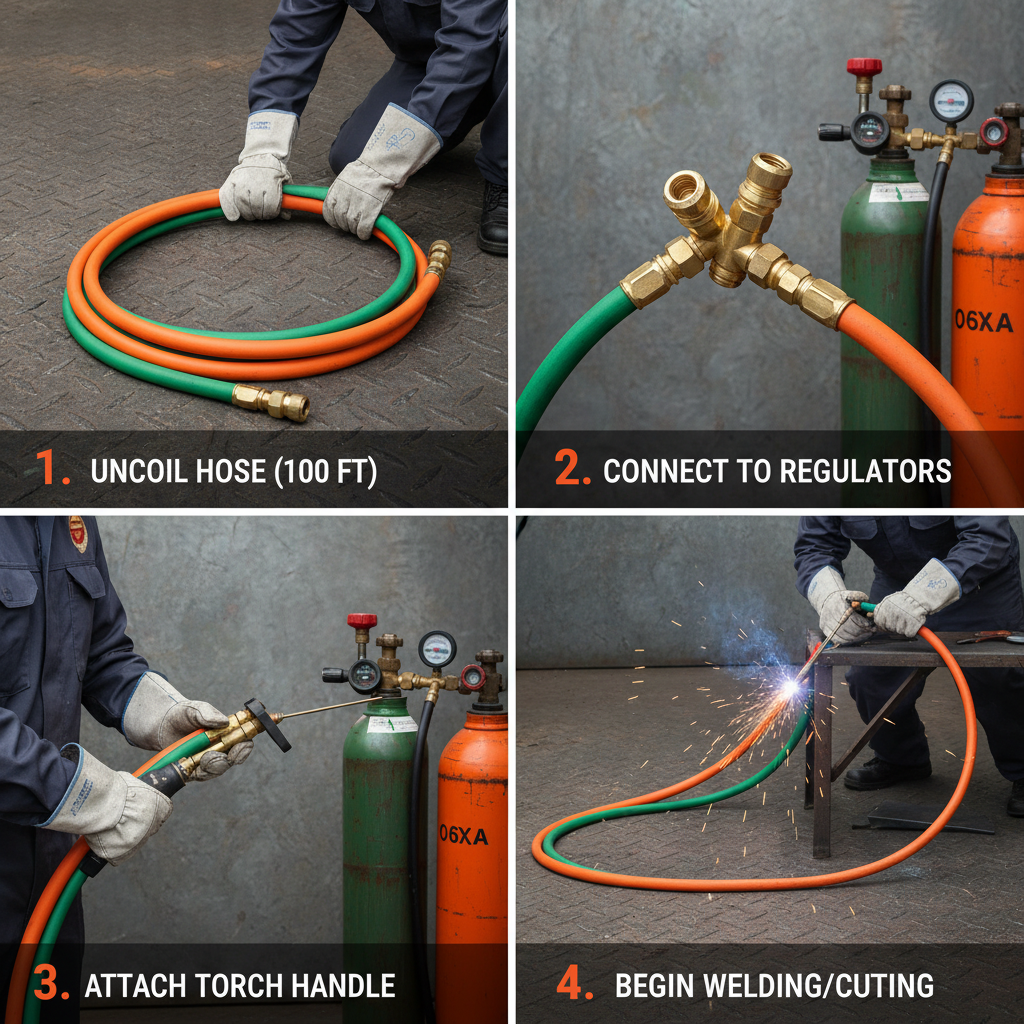
Understanding Oxy Acetylene Hose Construction
Oxy acetylene hoses are typically constructed with an inner tube, reinforcement layers, and an outer cover. The inner tube must be non-reactive to oxygen and acetylene to prevent degradation and ensure safety. Common materials include synthetic rubber. Reinforcement layers, often made of braided textile or steel wire, provide strength and prevent kinking. The outer cover protects against abrasion, weather, and oil. The quality of each layer significantly affects the hose's durability and performance. Choosing a hose with high-quality materials will save you money in the long run by reducing the need for frequent replacements. Kebing Hose offers a variety of robust options designed to withstand demanding conditions.
Key Considerations: The inner tube must be compatible with both oxygen and acetylene. Reinforcement layers determine the hose's pressure rating and flexibility. The outer cover provides protection against environmental factors.
Oxygen vs. Acetylene Hose: Key Differences
It’s crucial to understand that oxygen and acetylene hoses are not interchangeable. Oxygen requires a hose designed to withstand higher pressures and prevent the introduction of oil, which can react violently with oxygen. Acetylene hoses, on the other hand, need to be resistant to permeation, as acetylene can diffuse through some materials. They also require specialized fittings. Using the wrong hose can create a significant safety hazard. Kebing Hose clearly labels its hoses to ensure correct application.
Critical Differences:
• Oxygen hoses handle higher pressure.
• Oxygen hoses must be oil-free.
• Acetylene hoses prevent gas permeation.
• Always use dedicated hoses for each gas.
Choosing the Right Size Oxy Acetylene Hose 100 ft
The inner diameter (ID) of the hose determines the gas flow rate. For most welding and cutting applications, a 1/4 inch ID hose for acetylene and a 3/8 inch ID hose for oxygen are standard. Longer hoses, like a 100 ft oxy acetylene hose, may require a larger ID to maintain sufficient flow. Consider the length of your setup and the type of work you'll be doing. A larger ID will reduce pressure drop, especially over longer distances. Kebing Hose provides detailed specifications for each hose, including ID and pressure ratings.
Safety Features and Considerations
Always inspect your oxy acetylene hose 100 ft before each use for cracks, kinks, or leaks. Ensure the fittings are secure and compatible with your equipment. Never use a damaged hose. Store hoses properly, away from extreme temperatures, oil, and sharp objects. Use flashback arrestors on both the oxygen and acetylene sides to prevent dangerous backfires. Following these safety precautions will minimize the risk of accidents and ensure a safe working environment.
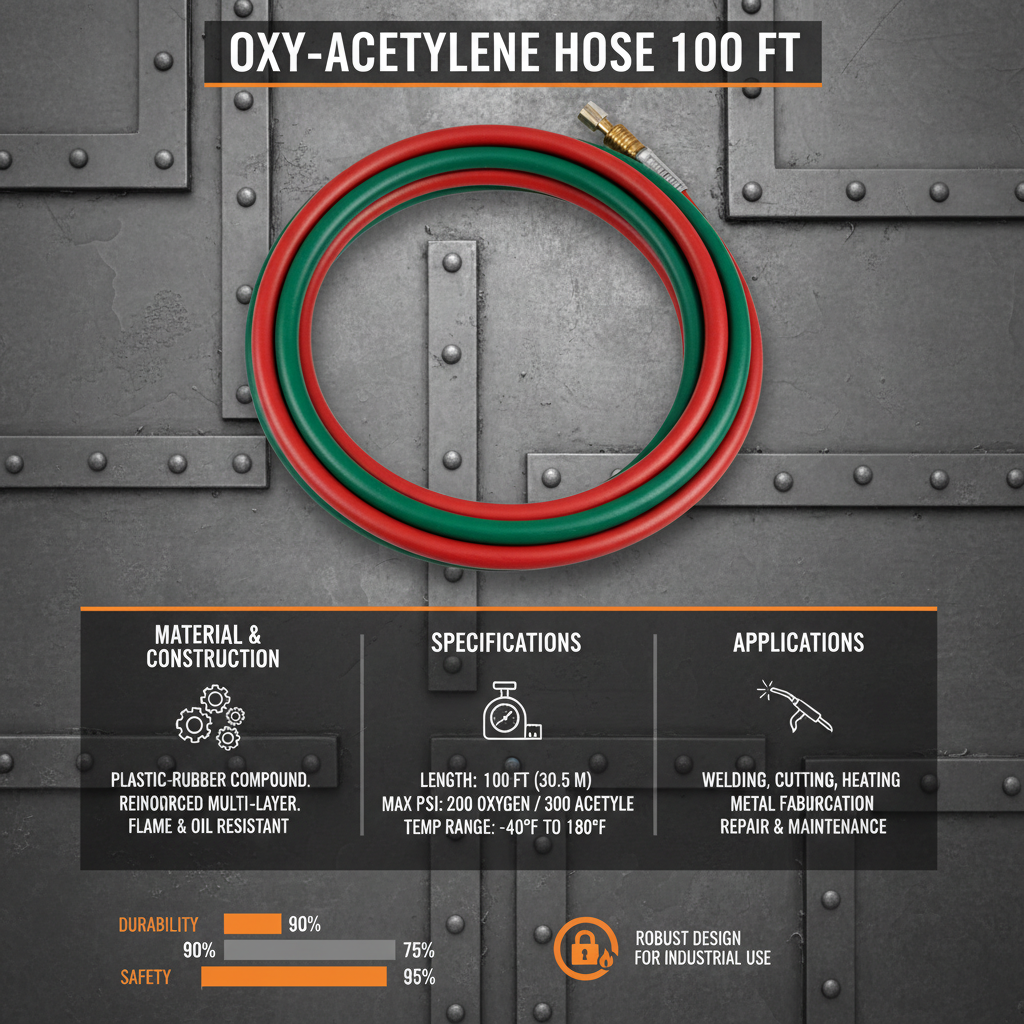
Conclusion: Invest in Quality and Safety
Selecting the right oxy acetylene hose 100 ft is a critical investment in both your work and your safety. By understanding the construction, size requirements, and safety considerations, you can make an informed decision that ensures reliable performance and minimizes risk. Kebing Hose offers a wide range of high-quality hoses to meet your specific needs. Don’t compromise on quality when it comes to safety!
Frequently Asked Questions (FAQs)
What is the working pressure of a typical oxy acetylene hose?
The working pressure varies depending on the hose construction and manufacturer. Typically, oxygen hoses are rated for 300-400 PSI, while acetylene hoses are rated for 200-300 PSI. It is crucial to check the hose markings to verify its specific pressure rating and never exceed the recommended limit. Exceeding the pressure rating can lead to hose failure and potentially dangerous situations. Kebing Hose provides clear pressure ratings on all its products.
How often should I replace my oxy acetylene hoses?
Regardless of visible wear, oxy acetylene hoses should be replaced every 5 years, or sooner if exposed to harsh conditions. Regular inspection is vital. Look for cracks, abrasions, kinks, or signs of deterioration. If you notice any damage, replace the hose immediately. It’s a small investment that can prevent a potentially catastrophic accident. Following the manufacturer’s recommendations is also crucial.
What are flashback arrestors, and why are they important?
Flashback arrestors are safety devices installed on both the oxygen and acetylene lines to prevent a flame from traveling back into the regulator or cylinders. This can happen if the flame ignites inside the hose, which can lead to an explosion. They work by quickly shutting off the gas flow if a backfire is detected. Flashback arrestors are a mandatory safety component in any oxy acetylene welding or cutting setup. Kebing Hose recommends using high-quality flashback arrestors with all its hoses.
Can I repair a damaged oxy acetylene hose?
No, you should never attempt to repair a damaged oxy acetylene hose. Any repair compromises the hose's integrity and could lead to a dangerous failure. Always replace a damaged hose with a new one. Attempting a repair could create a weak point that is susceptible to bursting under pressure, resulting in serious injury. Safety should always be your top priority.
-
High Strength Industrial Clear Braided PVC Hose Pipe GuideNewsApr.16,2026
-
Industrial Reinforced Braided PVC Hose for Fluid Transfer GuideNewsApr.09,2026
-
Comprehensive Guide to Braided PVC Tubing Applications and BenefitsNewsApr.07,2026
-
Comprehensive Guide to Braided Clear Vinyl Tubing Applications and BenefitsNewsApr.04,2026
-
Comprehensive Guide to PVC Braided Hose Applications and SelectionNewsMar.31,2026
-
Comprehensive Guide to Selecting the Best Double Welding Hose for Your NeedsNewsMar.28,2026
 Afrikaans
 Albanian
 Arabic
 Azerbaijani
 Belarusian
 Bengali
 Bulgarian
 Czech
Czech
 Danish
 Dutch
Dutch
 Finnish
 French
 German
 Greek
Greek
 Hebrew
 Hindi
Hindi
 Hungarian
 Indonesian
 Irish
Irish
 Italian
 Japanese
 Kazakh
 Korean
 Kyrgyz
 Lao
Lao
 Latin
Latin
 Lithuanian
 Luxembourgish
 Malay
Malay
 Mongolian
 Myanmar
 Nepali
 Norwegian
 Persian
 Polish
 Portuguese
 Russian
 Serbian
 Slovak
 Spanish
 Swedish
 Tagalog
 Thai
Thai
 Turkish
 Ukrainian
 Uighur
 Uzbek
Uzbek
 Vietnamese
 Welsh
Welsh
 English