


Comprehensive Guide to Rubber Twin Welding Hose Selection and Safety
Understanding Rubber Twin Welding Hose: A Comprehensive Guide
Rubber twin welding hoses are essential components in a variety of industrial applications, particularly in welding and gas supply systems. These hoses are designed to safely and efficiently transport gases like oxygen and acetylene to the welding torch. Choosing the right hose is crucial for safety, performance, and longevity. This article will provide a detailed overview of rubber twin welding hoses, covering their features, applications, safety considerations, and how to select the best option for your needs. We’ll explore the key specifications and benefits of investing in high-quality hoses.
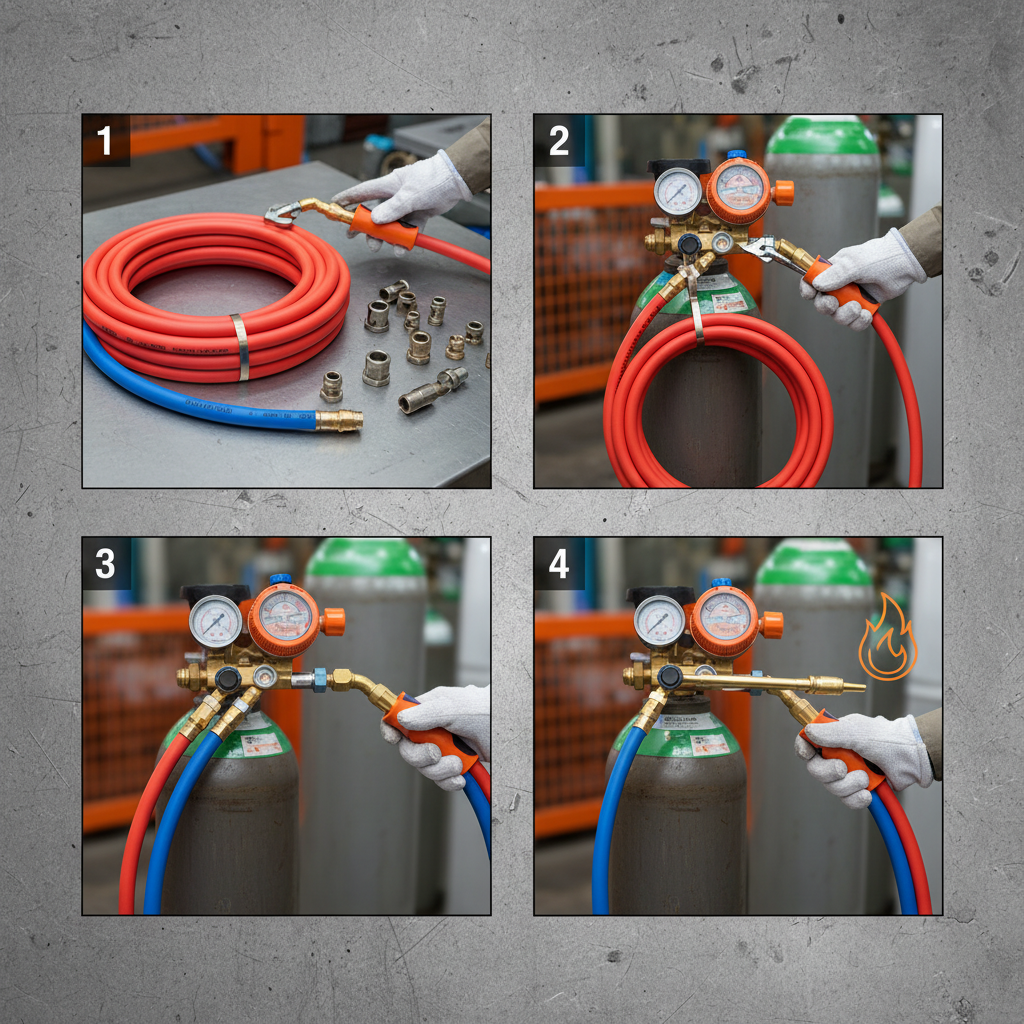
Key Features of Rubber Twin Welding Hose
Rubber twin welding hoses are characterized by their dual-hose construction, with one hose for oxygen and another for fuel gas, typically acetylene. The rubber material provides flexibility and resistance to abrasion, oil, and weathering. Reinforcement layers, often made of high-tensile braided fabric, enhance the hose’s pressure resistance and prevent kinking. Crucially, the hoses are color-coded – typically red for oxygen and blue for fuel gas – for easy identification and safe operation. A quality hose also features robust fittings to ensure a secure and leak-proof connection. Choosing the right hose ensures a safe and efficient welding process. You can explore a wide range of options at Kebing Hose.
Key Highlights: Durable rubber construction, color-coded for safety, reinforced for high pressure, and equipped with secure fittings.
Selecting the Right Size and Length for Your Application
Choosing the correct hose size (internal diameter) and length is essential for optimal performance. Hose size is determined by the flow rate requirements of your welding equipment and the distance between the gas source and the welding torch. Insufficient hose diameter can restrict gas flow, leading to uneven welds. Similarly, using a hose that is too long can reduce pressure and increase the risk of leaks. Consider the layout of your workspace when determining hose length, ensuring enough slack for movement but avoiding excessive coiling which can damage the hose.
Hose Size Guidelines:
• Oxygen Hose: Typically 1/4" ID
• Acetylene Hose: Typically 1/4" ID, but can vary depending on application
• Length: Choose a length that comfortably reaches your workspace without excessive slack.
Rubber Twin Welding Hose: Safety Considerations
Safety is paramount when working with welding gases. Always inspect hoses for cracks, abrasions, or leaks before each use. Never use a damaged hose, as it can pose a serious fire or explosion hazard. Ensure that fittings are securely tightened and compatible with the hose and gas cylinders. Store hoses away from heat, sparks, and open flames. Properly purge hoses before disconnecting them from gas cylinders. Regularly test the hoses with a leak detection solution to identify any potential problems. Familiarize yourself with the safety guidelines specific to your welding application.
Comparing Rubber Hoses with Alternatives
While rubber hoses are a common choice, other materials like thermoplastic are also available. Thermoplastic hoses are generally lighter and more resistant to oil, but may not withstand the same high temperatures as rubber. Rubber hoses offer excellent flexibility and durability, making them suitable for demanding welding applications. The optimal choice depends on your specific requirements and working environment. The team at Kebing Hose can help you evaluate your needs and select the most appropriate hose.
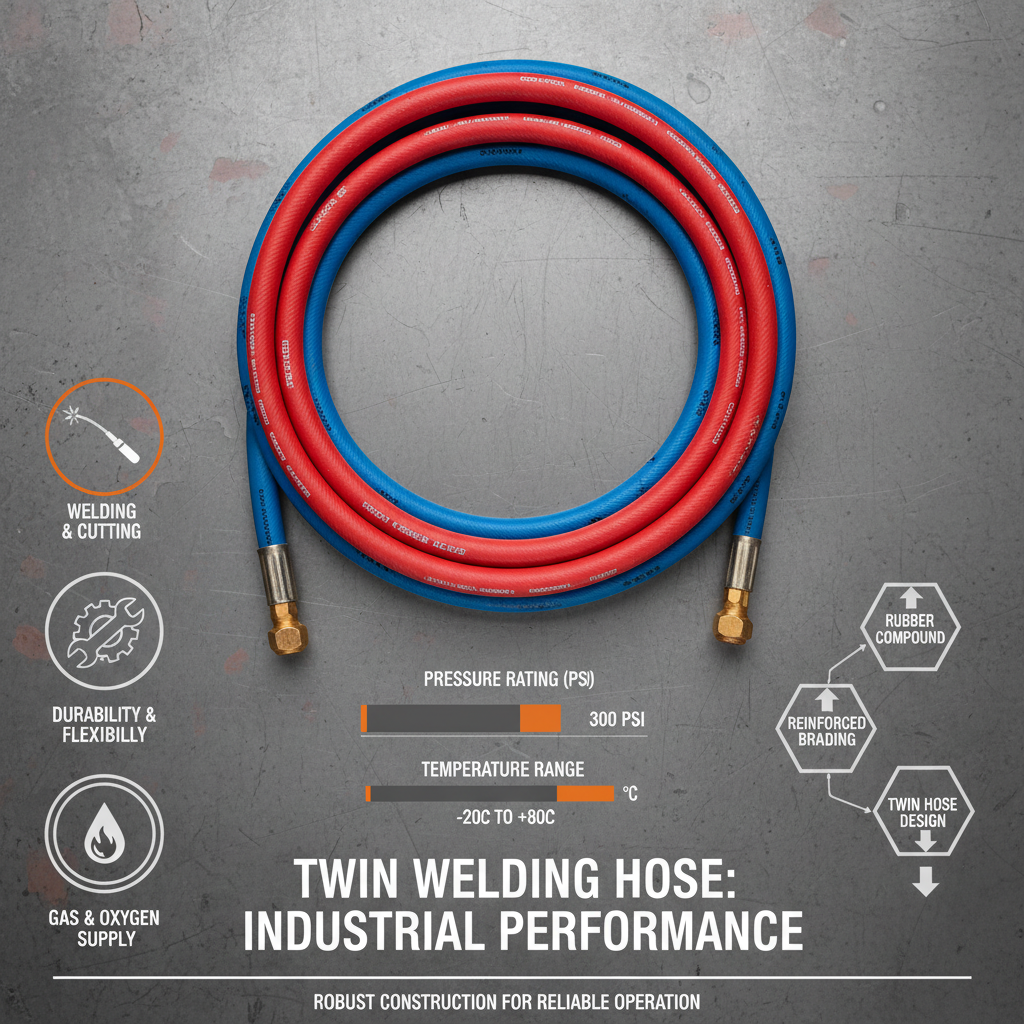
Product Specifications: Kebing Hose Rubber Twin Welding Hose
At Kebing Hose, we provide high-quality rubber twin welding hoses designed for durability and safety. Here are some key specifications:
Conclusion: Choosing the Right Rubber Twin Welding Hose
Selecting the right rubber twin welding hose is crucial for safety, efficiency, and the longevity of your welding equipment. Consider factors like hose size, length, working pressure, and material compatibility. Regularly inspect your hoses for damage and ensure proper storage and handling. Kebing Hose is committed to providing high-quality, reliable hoses to meet your specific welding needs. Invest in a quality hose today to protect your investment and ensure a safe working environment.
Frequently Asked Questions (FAQs)
How often should I replace my welding hoses?
Welding hoses should be replaced every 1-2 years, or sooner if they show signs of wear, damage, or deterioration. Regular inspection is crucial; look for cracks, abrasions, kinks, or leaks. Even if a hose appears visually sound, the rubber can degrade over time, compromising its pressure resistance and safety. Consider replacing hoses proactively to avoid potential hazards. A good practice is to maintain a log of hose usage and replacement dates.
What does the color coding on welding hoses signify?
Color coding is a critical safety feature. Red typically indicates the oxygen hose, while blue identifies the fuel gas hose (usually acetylene). This standardized color scheme helps prevent accidental misconnection, which can lead to a dangerous and potentially explosive situation. Always double-check the connections before starting your welding operation, and never interchange the hoses.
Can I repair a damaged welding hose?
Repairing a damaged welding hose is generally not recommended. Even a seemingly minor repair can compromise the hose’s integrity and pressure resistance. It’s much safer to replace the entire hose. Attempting a repair might create a weak point that could fail under pressure, leading to a potentially hazardous situation. Investing in a new hose is a small price to pay for ensuring your safety.
Where can I purchase high-quality rubber twin welding hoses?
You can purchase high-quality rubber twin welding hoses directly from Kebing Hose. We offer a wide selection of hoses to meet various welding application needs, along with expert advice and excellent customer service. We are committed to providing reliable and safe products for your welding operations.
-
High Strength Industrial Clear Braided PVC Hose Pipe GuideNewsApr.16,2026
-
Industrial Reinforced Braided PVC Hose for Fluid Transfer GuideNewsApr.09,2026
-
Comprehensive Guide to Braided PVC Tubing Applications and BenefitsNewsApr.07,2026
-
Comprehensive Guide to Braided Clear Vinyl Tubing Applications and BenefitsNewsApr.04,2026
-
Comprehensive Guide to PVC Braided Hose Applications and SelectionNewsMar.31,2026
-
Comprehensive Guide to Selecting the Best Double Welding Hose for Your NeedsNewsMar.28,2026
 Afrikaans
 Albanian
 Arabic
 Azerbaijani
 Belarusian
 Bengali
 Bulgarian
 Czech
Czech
 Danish
 Dutch
Dutch
 Finnish
 French
 German
 Greek
Greek
 Hebrew
 Hindi
Hindi
 Hungarian
 Indonesian
 Irish
Irish
 Italian
 Japanese
 Kazakh
 Korean
 Kyrgyz
 Lao
Lao
 Latin
Latin
 Lithuanian
 Luxembourgish
 Malay
Malay
 Mongolian
 Myanmar
 Nepali
 Norwegian
 Persian
 Polish
 Portuguese
 Russian
 Serbian
 Slovak
 Spanish
 Swedish
 Tagalog
 Thai
Thai
 Turkish
 Ukrainian
 Uighur
 Uzbek
Uzbek
 Vietnamese
 Welsh
Welsh
 English