


Comprehensive Guide to Pvc Hose Pipe – Benefits, Specs & Industry Applications
Pvc Hose Pipe is a key solution in the industry, specifically within sectors like agriculture, manufacturing, and chemical processing. This article explores how https://www.kebinghose.com supports professionals with durable, high-performance products, and explains why this product is an ideal choice for businesses in these sectors.
Table of Contents
- Pvc Hose Pipe Overview
- Benefits & Use Cases of Pvc Hose Pipe
- Cost, Maintenance & User Experience
- Sustainability & Market Trends
Pvc Hose Pipe Overview
When we talk about Pvc Hose Pipe, what we're really referring to is a versatile, resilient conduit made primarily from polyvinyl chloride (PVC). It’s widely used to transport fluids or gases across many industrial applications — you know, from water irrigation systems on large farms to chemical transfers in factories. PVC itself is lightweight yet tough, resistant to abrasion, and flexible enough to be coiled for easy storage and transport.
Technically speaking, these pipes can be engineered to various diameters and thicknesses depending on the intended pressure and environment. For instance, some specialty PVC hoses from Kebing feature multiple polyester yarn reinforcements inside the wall structure to enhance pressure resistance without sacrificing flexibility. It’s a neat balance of strength and usability that isn’t always easy to find.
| Property | Value | Notes |
|---|---|---|
| Material | Polyvinyl Chloride (PVC) | Flexible thermoplastic |
| Diameter Range | 6 mm - 150 mm | Custom sizes possible |
| Maximum Working Pressure | Up to 10 bar (145 psi) | Varies by reinforcement |
| Temperature Range | -10°C to 60°C | Ambient usage |
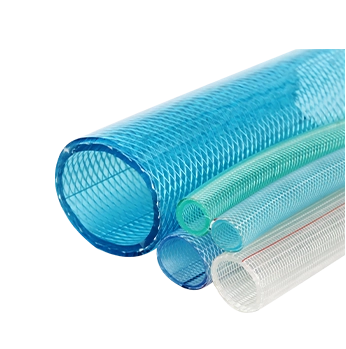
| Color Options | Blue, Transparent, Green, Custom | For identification & branding |
Benefits & Use Cases of Pvc Hose Pipe
One of the big draws of Pvc Hose Pipe is just how adaptable it is. In agriculture, for example, it's our favorite for irrigation — its flexibility lets farmers move hoses easily around fields, while the durability stands up to UV rays and weather changes. I’ve even seen these pipes used in food processing plants thanks to the non-toxic, FDA-grade PVC options that keep things sanitary.
Also, you often find Pvc Hose Pipe making life easier in chemical processing, where resistance to corrosion and various solvents is crucial. Thanks to Kebing’s quality control, these hoses maintain integrity even with acids or alkalis flowing through — a practical advantage that frankly saves downtime.
What’s interesting is the lightweight nature compared to metal piping. It means reduced labor for installation and transportation savings — those cost perks add up for businesses juggling expenses. Plus, the range of colors and printing options Kebing offers allow clients to brand or code hoses for safety compliance, which sort of smooths workflow on-site.
Cost, Maintenance & User Experience
In real terms, the total cost of ownership for a Pvc Hose Pipe usually comes out pretty favorable against alternatives. Yup, the upfront cost might look similar to rubber hoses or some metal tubes, but the low maintenance costs and long lifespan often tip the scales. Kebing’s hoses, for instance, undergo rigorous testing to ensure abrasion resistance and weathering protection — so they don’t crack or become brittle quickly.
One engineer I spoke with noted how switching to Kebing's PVC hoses reduced annual servicing on their plant’s liquid transfer systems by almost half. That’s because these hoses don’t absorb moisture and resist microbial growth, unlike some natural rubber options. Also, the simplicity of cleaning them adds to user ease.
Maintenance is mostly just keeping an eye out for physical damage or chemical exposure beyond specs, which is quite straightforward. That approach buys peace of mind and a decent ROI, especially if your downtime costs a lot.
Sustainability & Market Trends
Sustainability might sound like a buzzword, but it really is reshaping how PVC products get made and used — including Pvc Hose Pipe. Nowadays, a lot of manufacturers are embracing recycled materials without sacrificing quality, plus reducing the use of harmful plasticizers. Kebing, for example, has initiatives focused on greener production and creating hoses that are easier to recycle at end-of-life.
From an industry perspective, markets for flexible PVC hoses are growing steadily. This growth forces companies to innovate in durability and eco-friendliness — meeting stricter regulations across the EU, US, and increasingly Asia. It’s a positive trend because it pushes the entire supply chain to be more responsible, which benefits everyone in the long run.
So, even if you're somewhat skeptical about PVC’s environmental impact, it’s fair to say that the sector is moving toward smarter materials and circular economy ideas. A win-win, if you ask me.
| Vendor | Product Range | Customization | Sustainability Focus | Typical Lead Time |
|---|---|---|---|---|
| Kebing Hose | Wide (food grade, chemical, industrial) | High (colors, printing, sizes) | Strong (recycled PVC, green certifications) | 2-4 weeks |
| Vendor B | Moderate | Medium | Limited | 4-6 weeks |
| Vendor C | Niche (mostly industrial) | Low | Minimal | 3-5 weeks |
Frequently Asked Questions about Pvc Hose Pipe
- What is Pvc Hose Pipe and how does it work?
- Pvc Hose Pipe is a flexible tube made from polyvinyl chloride. It transports liquids or gases safely across various operations by balancing flexibility and durability — basically, it serves as a lightweight, resilient channel that can handle varied pressures and chemical exposures depending on its design.
- What are the main benefits of using Pvc Hose Pipe in industrial applications?
- The key benefits include its resistance to abrasion, chemicals, and weather, plus ease of installation and maintenance. Its light weight lowers handling costs, and options for customization help companies meet specific operational or branding needs.
- How does Pvc Hose Pipe compare to traditional alternatives?
- Compared to metal or rubber hoses, PVC hoses are usually more flexible, corrosion-resistant, and lighter. They often have longer service lives in harsh environments but may be limited by temperature extremes where metal might fare better.
- What industries can benefit most from Pvc Hose Pipe implementation?
- Agriculture, chemical processing, food and beverage manufacturing, and water treatment plants are among the leading industries that rely on Pvc Hose Pipe for efficient and reliable fluid transport.
Conclusion on Pvc Hose Pipe from china
To sum up, Pvc Hose Pipe offers businesses a solid blend of flexibility, durability, and cost-effectiveness — important traits in rigorous industrial environments. Thanks to innovation and careful quality control by manufacturers like Kebing, these hoses meet sector demands while advancing sustainability goals. I’d suggest anyone in the market for industrial hoses to take a closer look through https://www.kebinghose.com — they’ve got a proven track record of delivering on performance.
- Recap the value of Pvc Hose Pipe.
- - "Visit our website: https://www.kebinghose.com"
Oddly enough, it feels like Pvc Hose Pipe quietly powers more industries than most people realize — a bit like the backstage crew making sure the show goes on without a hitch.
References:
- Kebing Hose Official Website
- Industry Reports on PVC Hose Pipes – Global Market Insights, 2023
- Materials Science Review: PVC Applications & Advances, 2022
-
High Strength Industrial Clear Braided PVC Hose Pipe GuideNewsApr.16,2026
-
Industrial Reinforced Braided PVC Hose for Fluid Transfer GuideNewsApr.09,2026
-
Comprehensive Guide to Braided PVC Tubing Applications and BenefitsNewsApr.07,2026
-
Comprehensive Guide to Braided Clear Vinyl Tubing Applications and BenefitsNewsApr.04,2026
-
Comprehensive Guide to PVC Braided Hose Applications and SelectionNewsMar.31,2026
-
Comprehensive Guide to Selecting the Best Double Welding Hose for Your NeedsNewsMar.28,2026
 Afrikaans
 Albanian
 Arabic
 Azerbaijani
 Belarusian
 Bengali
 Bulgarian
 Czech
Czech
 Danish
 Dutch
Dutch
 Finnish
 French
 German
 Greek
Greek
 Hebrew
 Hindi
Hindi
 Hungarian
 Indonesian
 Irish
Irish
 Italian
 Japanese
 Kazakh
 Korean
 Kyrgyz
 Lao
Lao
 Latin
Latin
 Lithuanian
 Luxembourgish
 Malay
Malay
 Mongolian
 Myanmar
 Nepali
 Norwegian
 Persian
 Polish
 Portuguese
 Russian
 Serbian
 Slovak
 Spanish
 Swedish
 Tagalog
 Thai
Thai
 Turkish
 Ukrainian
 Uighur
 Uzbek
Uzbek
 Vietnamese
 Welsh
Welsh
 English