


Clear Reinforced PVC Hose - Durable Industrial Fluid Transfer Solutions
Clear Reinforced PVC Hose: Durable Transparency for Industrial Needs
Having spent over a decade dealing with industrial hoses—installations, breakdowns, and the occasional emergency fix—I’ve come to appreciate the subtle art behind the clear reinforced PVC hose. Oddly enough, it’s one of those components that many tend to overlook until it's their turn to replace a bursting line or find a better alternative for fluid transfer that's both sturdy and visible.
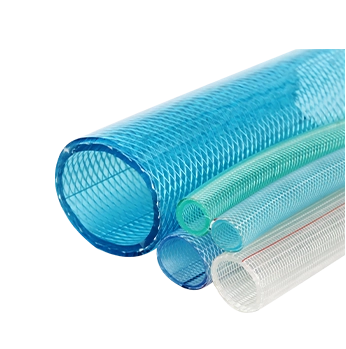
Clear PVC hoses aren’t just plastic tubes. Frankly, they need to marry flexibility with strength, durability with clarity. Reinforcement comes into play here—layers of polyester or nylon mesh embedded between PVC walls prevent bursting under pressure while maintaining transparency to monitor flow, contamination, or bubbles. It’s a simple concept but has been a game-changer in many industrial settings.
I recall one plant where a maintenance supervisor insisted on switching from opaque rubber hoses to clear reinforced PVC for their chemical feed lines. The visibility allowed quick spot checks without shutting down operations, significantly reducing downtime. Plus, operators could detect blockages before things turned messy—safety wins all around.
Material Composition and Why It Matters
The backbone of these hoses is polyvinyl chloride (PVC), chosen for its chemical resistance, light weight, and affordability. Reinforcement typically uses polyester yarn or spiral layers, creating that key balance between tensile strength and flexibility.
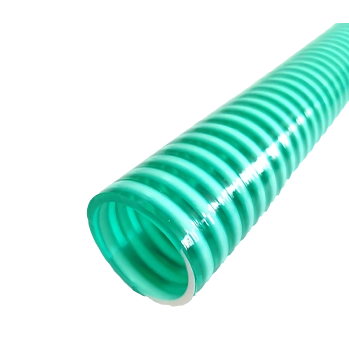
What’s nifty, though, is how manufacturers optimize the wall thickness and reinforcement pattern—some go with helical (spiral) reinforcement, others with braided mesh. Each delivers different pressure ratings or bending radii. For example, spiral reinforcement is superior for vacuum applications, preventing hose collapse when suction is applied.
| Characteristic | Specification |
|---|---|
| Material | PVC with Polyester Reinforcement |
| Temperature Range | -10°C to +65°C |
| Working Pressure | Up to 10 bar |
| Bending Radius | 5 x hose diameter |
| Features | Transparent, UV resistant,oil resistant |
Picking a Vendor: What to Watch For
Not all clear reinforced PVC hoses are born equal, which is why vendor comparison is vital. You want to check not only the specs but also quality assurance levels and how customization is handled. Customization—like thickness, reinforcement type, or even branding—can sometimes make the difference between a hose that just works and one that lasts for years.
| Vendor | Product Range | Customization | Certifications | Lead Time |
|---|---|---|---|---|
| KEBING Hose | Extensive sizes & types | High (custom thickness, color) | ISO9001, CE | 2-3 weeks |
| HoseCo | Moderate selection | Medium (color options) | ISO9001 | 3-4 weeks |
| FlexiHose | Limited | Low | None | 1-2 weeks |
At the end of the day, your choice boils down to the right blend of price, quality, and service. For me, suppliers like KEBING Hose stand out because of their transparency—not just literal, but in communication and specs. This kind of trustworthiness, paired with solid product engineering, makes a difference in high-stakes industrial environments.
Many engineers I know have joked about hoses being the unsung heroes of plant operation—reliable, often invisible, but utterly essential. When you get the right clear reinforced PVC hose, you feel it: a smooth fluid transfer, no leaks, clean operation. It’s one of those subtle wins you don’t shout about, but you appreciate every day.
So if you’re on the lookout for a hose that’s tough yet transparent, able to withstand pressure and resist common industrial chemicals, the clear reinforced PVC hose is worth a good look. And I’d wager that a trusted supplier with comprehensive customization options will serve you better in the long run.
Quick takeaway: Choosing the right clear reinforced PVC hose is part art, part science—and a dash of experience makes all the difference.
References
- Industry Standards on PVC Hose Construction, ASTM F-1001 (latest edition)
- KEBING Hose Technical Datasheets and Product Catalog (2023)
- “The Role of Hose Transparency in Process Monitoring,” Industrial Fluid Magazine, May 2022
-
High Strength Industrial Clear Braided PVC Hose Pipe GuideNewsApr.16,2026
-
Industrial Reinforced Braided PVC Hose for Fluid Transfer GuideNewsApr.09,2026
-
Comprehensive Guide to Braided PVC Tubing Applications and BenefitsNewsApr.07,2026
-
Comprehensive Guide to Braided Clear Vinyl Tubing Applications and BenefitsNewsApr.04,2026
-
Comprehensive Guide to PVC Braided Hose Applications and SelectionNewsMar.31,2026
-
Comprehensive Guide to Selecting the Best Double Welding Hose for Your NeedsNewsMar.28,2026
 Afrikaans
 Albanian
 Arabic
 Azerbaijani
 Belarusian
 Bengali
 Bulgarian
 Czech
Czech
 Danish
 Dutch
Dutch
 Finnish
 French
 German
 Greek
Greek
 Hebrew
 Hindi
Hindi
 Hungarian
 Indonesian
 Irish
Irish
 Italian
 Japanese
 Kazakh
 Korean
 Kyrgyz
 Lao
Lao
 Latin
Latin
 Lithuanian
 Luxembourgish
 Malay
Malay
 Mongolian
 Myanmar
 Nepali
 Norwegian
 Persian
 Polish
 Portuguese
 Russian
 Serbian
 Slovak
 Spanish
 Swedish
 Tagalog
 Thai
Thai
 Turkish
 Ukrainian
 Uighur
 Uzbek
Uzbek
 Vietnamese
 Welsh
Welsh
 English