


Choosing the Best 50 ft Oxy Acetylene Hose for Safe and Efficient Welding
Choosing the Right 50 ft Oxy Acetylene Hose for Your Needs
When undertaking welding, cutting, or heating applications, a reliable and durable 50 ft oxy acetylene hose is essential for safe and efficient operation. Selecting the correct hose isn’t just about length; it involves considering materials, construction, pressure ratings, and compatibility. This comprehensive guide will explore everything you need to know to choose the best hose for your specific requirements, ensuring a secure and productive workflow. We will delve into the key features and benefits of choosing the right hose for your particular application.
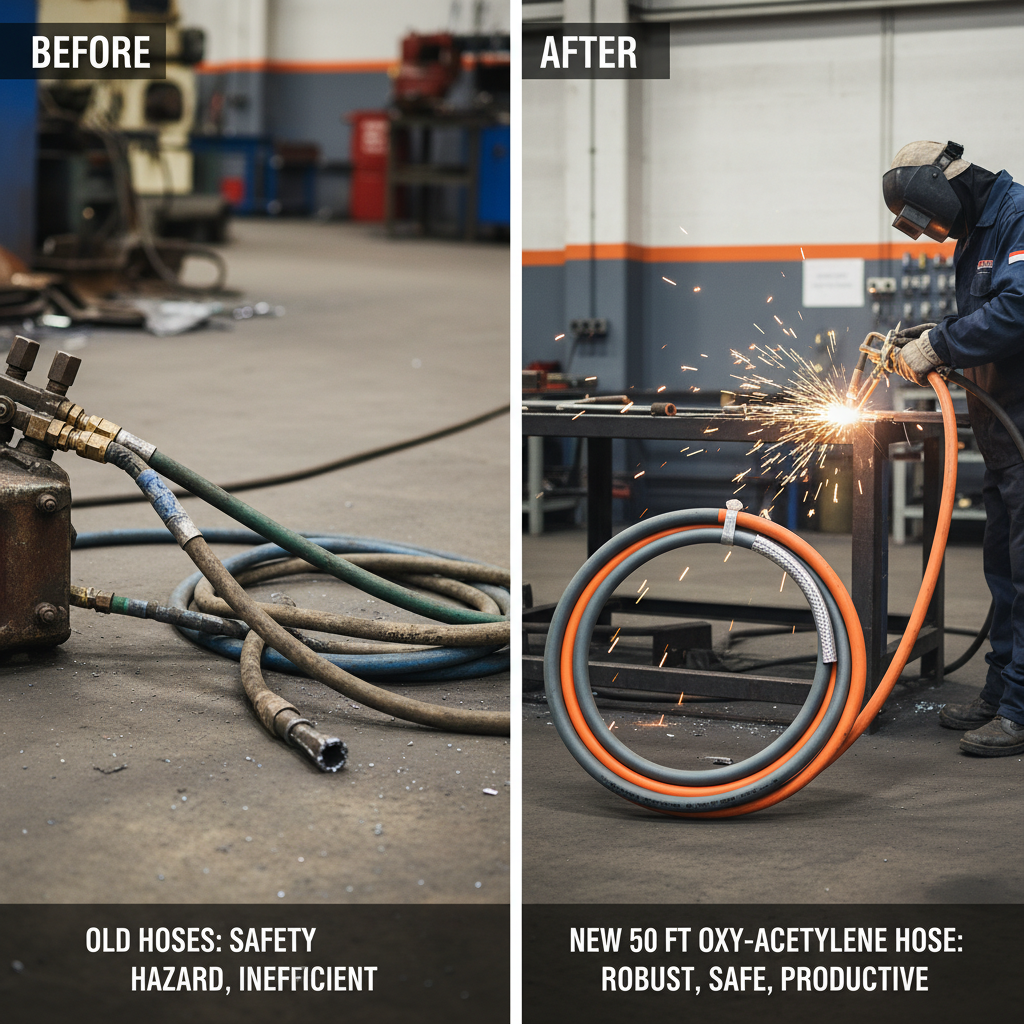
Understanding Oxy Acetylene Hose Construction
Oxy acetylene hoses are specifically designed to handle the high pressures and temperatures associated with oxy-fuel gas welding and cutting. Typically, these hoses consist of multiple layers. The inner tube is crucial, often made of synthetic rubber that is resistant to oils, chemicals, and gas permeation. The reinforcement layer provides strength and prevents kinking, usually composed of high-tensile braided textile or wire. Finally, the outer cover protects the hose from abrasion, weather, and UV exposure. A quality 50 ft oxy acetylene hose will have a robust construction to ensure long-lasting performance and safety.
Key Features to Look for in a 50 ft Oxy Acetylene Hose
When evaluating different hoses, several key features should be considered. Flexibility is vital for ease of maneuverability and positioning during work. A hose that is too stiff can be difficult to work with and more prone to kinking. Durability ensures the hose can withstand the rigors of industrial use. Look for hoses with abrasion-resistant outer covers. Pressure Rating is critically important; ensure the hose's maximum working pressure exceeds the pressure generated by your welding or cutting equipment. Finally, check for Compatibility, ensuring the hose is designed for use with both oxygen and acetylene gases.
Essential Considerations: Durability, Pressure Rating, Compatibility, and Flexibility are crucial features to evaluate.
50 ft Oxy Acetylene Hose: Materials & Their Benefits
The materials used in a 50 ft oxy acetylene hose significantly impact its performance and lifespan. Synthetic rubbers like neoprene and PVC are commonly used for the inner tube, offering excellent resistance to gas permeation and chemical degradation. Reinforcement layers typically consist of high-tensile strength braided textiles or steel wire. The outer cover materials include EPDM, which is known for its weather resistance, and PVC for general abrasion resistance. Choosing a hose with high-quality materials will contribute to long-term reliability and safety.
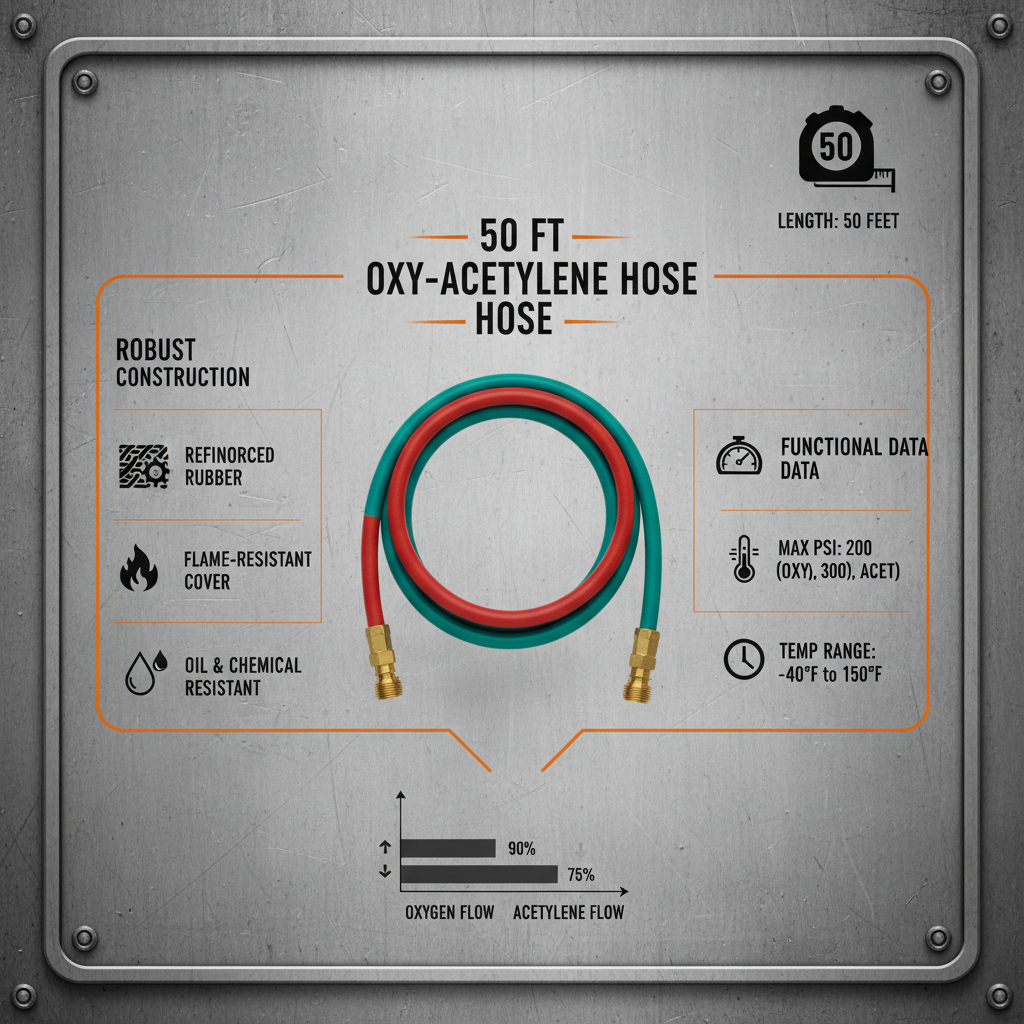
Comparing Different Hose Types: A Detailed Overview
Different types of oxy acetylene hoses are available, each with unique advantages and disadvantages. Rubber hoses offer excellent flexibility but may be more susceptible to cracking and weathering. PVC hoses are more rigid but provide good abrasion resistance and are often more affordable. Wire-braided hoses offer superior strength and kink resistance compared to textile-braided hoses. The best choice depends on your specific application and budget. Consider the working environment and frequency of use when making your decision. Kebinghose provides a diverse range of options to suit various needs.
Safety Precautions & Hose Maintenance
Maintaining your 50 ft oxy acetylene hose is crucial for safety and longevity. Before each use, inspect the hose for cracks, cuts, or abrasions. Check the connections for leaks using a soapy water solution. Never use a damaged hose, and replace it immediately if any defects are found. Store the hose in a cool, dry place away from direct sunlight and potential damage. Proper maintenance will extend the life of your hose and ensure safe operation.
Conclusion: Investing in Quality & Safety
Selecting the right 50 ft oxy acetylene hose is a critical investment in safety and efficiency. By considering the materials, construction, and features discussed in this guide, you can choose a hose that meets your specific needs and provides reliable performance for years to come. Don't compromise on quality – prioritize safety and choose a hose from a reputable supplier like Kebinghose.
Frequently Asked Questions (FAQs)
What is the working pressure of a typical 50 ft oxy acetylene hose?
The working pressure of a 50 ft oxy acetylene hose varies depending on the manufacturer and hose type. However, most hoses are rated to withstand pressures of at least 300 PSI for oxygen and 200 PSI for acetylene. It's crucial to check the hose's label or specifications to confirm its maximum working pressure. Exceeding the rated pressure can lead to hose failure and potentially dangerous situations. Always ensure the hose's pressure rating is compatible with your welding or cutting equipment.
How often should I replace my oxy acetylene hose?
While there's no fixed timeframe, it's generally recommended to replace your oxy acetylene hose every 3-5 years, even if it appears to be in good condition. Regular inspection is vital. Replace the hose immediately if you notice any cracks, cuts, abrasions, or signs of deterioration. Frequent use, exposure to harsh environments, and improper storage can shorten the hose's lifespan. Prioritizing replacement ensures continued safety and reliability.
Can I use a standard garden hose for oxy acetylene applications?
Absolutely not. Standard garden hoses are not designed to withstand the high pressures and temperatures associated with oxy acetylene welding and cutting. Using a garden hose is extremely dangerous and could result in hose failure, gas leaks, fire, or serious injury. Always use a hose specifically manufactured for oxy acetylene applications and that meets relevant safety standards. Kebinghose offers dedicated hoses for this purpose.
What are the risks of using a damaged oxy acetylene hose?
Using a damaged oxy acetylene hose poses significant risks. Cracks or abrasions can lead to gas leaks, creating a fire hazard. A weakened hose can burst under pressure, causing serious injury. Even minor damage can compromise the hose's integrity and reduce its ability to handle the demands of welding or cutting. Regular inspection and prompt replacement of damaged hoses are essential for workplace safety.
-
High Strength Industrial Clear Braided PVC Hose Pipe GuideNewsApr.16,2026
-
Industrial Reinforced Braided PVC Hose for Fluid Transfer GuideNewsApr.09,2026
-
Comprehensive Guide to Braided PVC Tubing Applications and BenefitsNewsApr.07,2026
-
Comprehensive Guide to Braided Clear Vinyl Tubing Applications and BenefitsNewsApr.04,2026
-
Comprehensive Guide to PVC Braided Hose Applications and SelectionNewsMar.31,2026
-
Comprehensive Guide to Selecting the Best Double Welding Hose for Your NeedsNewsMar.28,2026
 Afrikaans
 Albanian
 Arabic
 Azerbaijani
 Belarusian
 Bengali
 Bulgarian
 Czech
Czech
 Danish
 Dutch
Dutch
 Finnish
 French
 German
 Greek
Greek
 Hebrew
 Hindi
Hindi
 Hungarian
 Indonesian
 Irish
Irish
 Italian
 Japanese
 Kazakh
 Korean
 Kyrgyz
 Lao
Lao
 Latin
Latin
 Lithuanian
 Luxembourgish
 Malay
Malay
 Mongolian
 Myanmar
 Nepali
 Norwegian
 Persian
 Polish
 Portuguese
 Russian
 Serbian
 Slovak
 Spanish
 Swedish
 Tagalog
 Thai
Thai
 Turkish
 Ukrainian
 Uighur
 Uzbek
Uzbek
 Vietnamese
 Welsh
Welsh
 English