


Buy Reinforced Vacuum Hose – Durable & Versatile Industrial Hoses
Reinforced Vacuum Hose: The Unsung Hero in Modern Industry
At first glance, a reinforced vacuum hose might not sound like the world-changer it truly is. Yet, look a bit closer and you’ll see that these specialized hoses quietly power countless operations across the globe, from industrial plants to emergency relief sites. Understanding their design, global impact, and why they matter is more than just technical jargon—it reveals how industries improve safety, efficiency, and even sustainability.
Why Should We Care?
Globally, industries such as manufacturing, agriculture, and emergency services face a growing demand for tough, reliable hose solutions that can withstand pressure fluctuations, harsh chemicals, and variable temperatures. According to the International Organization for Standardization (ISO), vacuum hoses contribute significantly to the safe transport of materials in these sectors (ISO).
Moreover, reinforced vacuum hoses play a vital role in humanitarian efforts, especially in providing clean water and medical supplies during disaster relief. Frankly, a hose failing under pressure could stall an entire operation whether it’s a factory floor or a post-disaster refugee camp.
Defining the Reinforced Vacuum Hose
So, what exactly is a reinforced vacuum hose? In simple terms, it’s a flexible tubing designed specifically to handle extreme suction and pressure without collapsing—thanks to internal reinforcement layers. These layers (commonly made of synthetic fibers or metal spirals) keep the hose from buckling under intense vacuum.
While regular hoses might kink or degrade quickly, reinforced vacuum hoses combine flexibility with strength. Modern industries rely heavily on them, from transporting powders and liquids to providing vital suction in medical or environmental cleanup scenarios.
Core Components and What Makes Them Tick
1. Durability Under Pressure
The heart of any reinforced vacuum hose is its ability to resist internal and external forces. Materials like polyurethane or PVC paired with high-tensile synthetic reinforcement make these hoses last longer—roughly two to three times the service life of unreinforced hoses.
2. Chemical Resistance
Many industrial applications expose hoses to aggressive chemicals or solvents. The right hose material combined with reinforcement shields against corrosion or swelling that might otherwise lead to leaks or safety hazards.
3. Temperature Tolerance
Vacuum hoses operate in diverse environments—freezing cold warehouses or burning hot factories. Reinforced hoses with specially designed layers can handle temperatures ranging from roughly -40°C to +120°C without losing integrity.
4. Flexibility vs. Strength
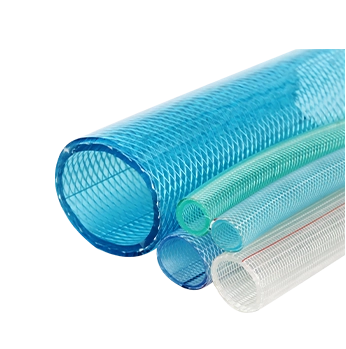
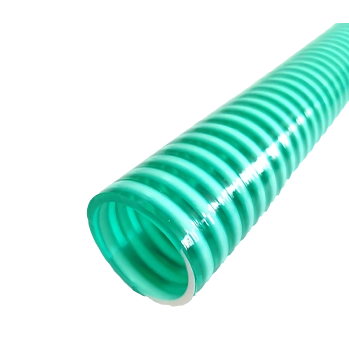
There’s a delicate balance—too rigid, and installation becomes a headache; too soft, and the hose collapses under suction. Reinforcement structures, often spiral or braided, help keep flexibility without compromising strength.
5. Length and Scalability
Depending on needs, hoses come in standardized or custom lengths. Reinforced vacuum hose kits often support modular setups, so users can scale systems up or down without concern.
How Reinforced Vacuum Hoses Power the Real World
Across Asia, Europe, and the Americas, reinforced vacuum hoses find homes in petrochemical plants, pharmaceutical industries, water treatment facilities, and emergency services. For instance:
- In post-disaster relief operations in Southeast Asia, hoses facilitate swift evacuation of floodwaters and contamination control.
- In mining regions of South America, they transport abrasive materials without rapid degradation.
- European manufacturers rely on these hoses during precision assembly lines where contamination control—via vacuum suction—is critical.
Oddly enough, it’s these hoses that often determine whether a project runs on schedule or stalls due to equipment failure. In humanitarian circles, reinforced vacuum hose brands with proven durability enable NGOs to deploy mobile water purification systems efficiently.
Product Specification Table
| Specification | Value/Range | Notes |
|---|---|---|
| Inner Diameter | 25mm to 150mm | Custom sizes available |
| Operating Temperature | -40°C to +120°C | Depends on material type |
| Maximum Vacuum | -0.95 bar (-95 kPa) | Ensures non-collapse under suction |
| Material | Polyurethane, PVC, Nylon Reinforcement | Varies by application |
| Length | Customizable up to 50m | Modular coupling supported |
Vendor Comparison: What to Look For
| Feature | Vendor A | Vendor B | Vendor C |
|---|---|---|---|
| Material Quality | High grade polyurethane | PVC with nylon braid | Thermoplastic with steel spiral |
| Max Operating Pressure | 0.95 bar vacuum | 0.9 bar vacuum | 1.0 bar vacuum |
| Customization Options | Full customization | Limited lengths & diameters | Modular coupling standard |
| Price Range (per meter) | $20–$35 | $15–$28 | $25–$40 |
| Delivery Time | 1–2 weeks | 3–4 weeks | 2 weeks |
Advantages & Long-Term Value of Reinforced Vacuum Hoses
When you look beyond the specs, it’s the real-world impact that shines through. Reinforced vacuum hoses provide:
- Cost efficiency: Less frequent replacements and breakdowns make budgets happier.
- Safety & Reliability: Prevent leaks and failures that might cause accidents or contamination.
- Sustainability: Durable materials cut down waste. Many hoses are now recyclable or made with eco-friendly polymers.
- Social Impact: Reliable hoses in humanitarian contexts enable safe water and medical supply distribution, protecting human dignity.
From an emotional standpoint, it’s reassuring for operators and engineers to trust a hose won’t fail mid-operation. And, you know, in some industries, that peace of mind is priceless.
Future Trends and Innovations Shaping the Industry
Looking ahead, the industry is veering into integrating smart sensors within hoses to monitor pressure and integrity in real time—part of the so-called “Industry 4.0” wave. Add to that the push for sustainable materials derived from bio-based polymers and automated manufacturing processes that ensure precision and reduce waste.
There’s also rising interest in hose designs compatible with green energy setups, like hydrogen transport and solar farms, where enhanced chemical resistance and temperature tolerance are must-haves.
Challenges & Solutions in Today’s Landscape
Of course, no tech is perfect. A common limitation with reinforced vacuum hoses is balancing weight versus flexibility—heavier reinforcement boosts durability but can make hoses unwieldy. Similarly, exposure to harsh UV rays or extreme chemical mixtures remains a challenge.
Innovative coatings and hybrid fiber reinforcements show promise as solutions. Plus, user training and proper maintenance routines often make a bigger difference than any material tweak.
FAQ: Frequently Asked Questions About Reinforced Vacuum Hose
Q1: How do reinforced vacuum hoses differ from standard hoses?
A reinforced vacuum hose includes internal support layers—typically spirals or braids—that prevent collapse under suction. Regular hoses often can't withstand such pressure without kinking or failing. This makes reinforced versions better for industrial suction and vacuum applications.
Q2: Can reinforced vacuum hoses handle chemical spills?
Yes, if chosen with appropriate materials. Many reinforced hoses resist chemical corrosion and swelling. However, it’s vital to confirm compatibility with the specific chemicals in your application to prevent degradation.
Q3: What maintenance do reinforced vacuum hoses require?
Routine inspection for cracks, abrasions, and leaks is key. Cleaning after use, avoiding sharp bends, and storing away from direct sunlight extends lifespan significantly.
Q4: Are reinforced vacuum hoses customizable for unique industrial setups?
Absolutely. Vendors typically offer options for length, diameter, reinforcement type, and coupling to fit custom needs perfectly.
Q5: How quickly can I get reinforced vacuum hoses for urgent deployments?
Depending on vendor and customization, delivery times generally range from 1 to 4 weeks. Some suppliers offer stock items for rapid dispatch.
Conclusion
All in all, the reinforced vacuum hose may not dominate headlines, but it quietly supports operations vital to global industry and humanitarian efforts alike. Its unique combination of strength, flexibility, and chemical resilience promises long-term value—and saves troubles down the line.
If you want to explore quality, reliable options, I suggest checking out our reinforced vacuum hose selection where durability meets innovation.
References
-
High Strength Industrial Clear Braided PVC Hose Pipe GuideNewsApr.16,2026
-
Industrial Reinforced Braided PVC Hose for Fluid Transfer GuideNewsApr.09,2026
-
Comprehensive Guide to Braided PVC Tubing Applications and BenefitsNewsApr.07,2026
-
Comprehensive Guide to Braided Clear Vinyl Tubing Applications and BenefitsNewsApr.04,2026
-
Comprehensive Guide to PVC Braided Hose Applications and SelectionNewsMar.31,2026
-
Comprehensive Guide to Selecting the Best Double Welding Hose for Your NeedsNewsMar.28,2026
 Afrikaans
 Albanian
 Arabic
 Azerbaijani
 Belarusian
 Bengali
 Bulgarian
 Czech
Czech
 Danish
 Dutch
Dutch
 Finnish
 French
 German
 Greek
Greek
 Hebrew
 Hindi
Hindi
 Hungarian
 Indonesian
 Irish
Irish
 Italian
 Japanese
 Kazakh
 Korean
 Kyrgyz
 Lao
Lao
 Latin
Latin
 Lithuanian
 Luxembourgish
 Malay
Malay
 Mongolian
 Myanmar
 Nepali
 Norwegian
 Persian
 Polish
 Portuguese
 Russian
 Serbian
 Slovak
 Spanish
 Swedish
 Tagalog
 Thai
Thai
 Turkish
 Ukrainian
 Uighur
 Uzbek
Uzbek
 Vietnamese
 Welsh
Welsh
 English