


Air Hose Rubber Vs Pvc | Durable Industrial Hoses by KEBING Hose
Air Hose Rubber Vs Pvc is a key solution in the industry, specifically within industrial manufacturing, automotive assembly, and pneumatic tool applications. This article explores how https://www.kebinghose.com supports professionals with durable, high-performance products, and explains why this product is an ideal choice for businesses in these sectors.
Table of Contents
- Air Hose Rubber Vs Pvc Overview
- Benefits & Use Cases of Air Hose Rubber Vs Pvc
- Cost, Maintenance & User Experience
- Sustainability & Market Trends
- Frequently Asked Questions about Air Hose Rubber Vs Pvc
- Conclusion on Air Hose Rubber Vs Pvc from China
Air Hose Rubber Vs Pvc Overview
When it comes to pneumatic lines, the choice between rubber and PVC air hoses often stirs debate among industry professionals. To quickly frame it, these hoses serve the same fundamental purpose — transporting compressed air — but the materials bring quite different profiles to the table. Rubber hoses tend to be more flexible and abrasion-resistant, while PVC hoses offer a lighter-weight, often more affordable option. Products from manufacturers like KEBING Hose highlight those contrasts sharply in their catalog.
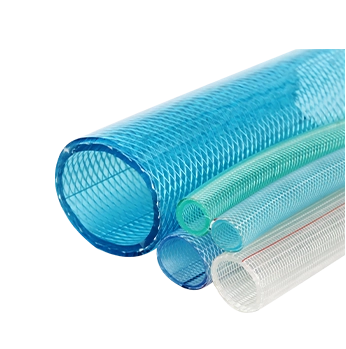
- Rubber air hoses typically consist of multiple layers of synthetic rubber and textile braiding, offering enhanced durability and elasticity.
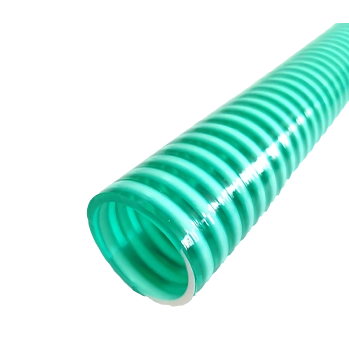
- PVC hoses are made from polyvinyl chloride with plasticizers to achieve flexibility, generally making them more lightweight but less resistant to certain chemicals and extreme temperatures.
- A typical industry spec comparison often includes pressure ratings up to 300 PSI for rubber hoses against roughly 150-250 PSI for PVC variants, depending on construction.
| Feature | Rubber Air Hose | PVC Air Hose |
|---|---|---|
| Maximum Working Pressure | Up to 300 PSI | 150-250 PSI |
| Weight (per meter) | Heavier | Lighter |
| Flexibility | Highly Flexible | Moderate Flexibility |
| Temperature Range | -40°C to 80°C | -10°C to 60°C |
| Resistance to Abrasion | Excellent | Moderate |
| Typical Use | Industrial & Heavy Duty | Light Industry & General |
Benefits & Use Cases of Air Hose Rubber Vs Pvc
From my experience visiting industrial sites, it's clear that rubber hoses dominate in environments where durability and flexibility can't be compromised — think automotive workshops, heavy machinery plants, or demanding construction sites. The extra abrasion resistance and temperature tolerance really come in handy where rough handling or extreme conditions are common. On the flip side, PVC hoses, because they are lighter and generally more cost-effective, find a welcoming niche in light manufacturing, assembly lines, and even pneumatic applications not subject to heavy wear.
- Rubber hoses excel in oil resistance and overall impact toughness.
- PVC hoses offer excellent chemical resistance to acids and alkalis that are sometimes present in food or pharmaceutical environments.
- KEBING Hose’s models come with custom fittings and reinforced layers that help maintain pressure integrity even under high cycles.
- They also offer transparent PVC hose options for visual monitoring of compressed air flow — which is oddly useful in quality control.
| Feature | KEBING Hose | Competitor A | Competitor B |
|---|---|---|---|
| Material Quality | Premium synthetic rubber & high-grade PVC | Standard rubber blends | Basic PVC blends |
| Customization Options | High (length, fittings, pressure ratings) | Limited | Moderate |
| Certifications | ISO 9001 & CE | ISO 9001 | None |
| Price Range | Mid to high (reflects quality) | Low | Low to mid |
| Lead Time | 1-2 weeks | 2-4 weeks | 3-5 weeks |
Cost, Maintenance & User Experience
Sure, budget always matters in B2B decisions. Rubber hoses carry a higher upfront price but generally offer a longer service life, lowering total cost of ownership over time. Many engineers I chatted with said rubber hoses from KEBING tend to last up to three times longer than cheaper PVC alternatives under tough conditions — so the ROI can be quite favorable. Maintenance-wise, PVC hoses sometimes suffer from cracking or brittleness in cold environments, which can cause unwanted downtime.
- User feedback frequently praises rubber hoses for reducing service interruptions thanks to their toughness.
- PVC hoses remain a practical choice for less demanding applications where cost control is paramount.
- KEBING Hose provides detailed maintenance guides that help customers maximize hose longevity — a helpful plus.
Sustainability & Market Trends
Oddly enough, sustainability doesn’t get talked about enough when it comes to hoses, but it should. Rubber hoses, especially those made using synthetic rubbers with eco-initiatives by manufacturers like KEBING Hose, are increasingly aimed to reduce environmental impact — including reduced VOC emissions and recyclable components. PVC’s environmental footprint is generally higher due to plasticizers and disposal concerns. Regulations in Europe and North America push for greener materials, and this is reflected in a slow but steady market shift favoring eco-certified rubber hoses.
- Manufacturers are innovating with bio-based rubbers and recyclable PVC blends.
- The global air hose market forecasts moderate growth, driven largely by automotive and industrial sectors investing in more durable equipment.
- KEBING Hose has committed to environmental compliance and supports clients with sustainable product lines.
Frequently Asked Questions about Air Hose Rubber Vs Pvc
- What is Air Hose Rubber Vs Pvc and how does it work?
- Essentially, these hoses are conduits for compressed air. Rubber hoses use layers of synthetic rubber and textile for a flexible, durable structure, ideal for rugged industrial contexts. PVC hoses, being plastic-based, are lighter and good for less-demanding uses. Both connect to compressors and tools, channeling air safely and efficiently.
- What are the main benefits of using Air Hose Rubber Vs Pvc in industrial applications?
- Rubber hoses provide superior durability, abrasion resistance, and temperature tolerance, while PVC hoses offer cost advantages and lighter weight. Choosing depends on application needs. Rubber hoses reduce downtime in tough environments; PVC is practical for short-term or less rigorous use.
- How does Air Hose Rubber Vs Pvc compare to traditional alternatives?
- Compared to older steel or braided hoses, both rubber and PVC hoses offer much greater flexibility and ease of handling. Rubber hoses have improved greatly in compound technology, offering superior wear resistance. PVC options have evolved with stronger plastics and some transparency features for better monitoring.
- What industries can benefit most from Air Hose Rubber Vs Pvc implementation?
- Automotive, manufacturing, construction, HVAC, and food/pharmaceutical industries all benefit. Rubber hoses often fit heavy industries, while PVC is common in lighter sectors or where chemical resistance is needed. Many companies in Asia and Europe report enhanced productivity switching to high-quality hoses from reputable vendors like KEBING Hose.
Conclusion on Air Hose Rubber Vs Pvc from china
To wrap it up, choosing between rubber and PVC air hoses boils down to your industry’s unique demands — durability, flexibility, and environment play huge roles. Chinese manufacturers like KEBING Hose provide a broad selection balancing quality, innovation, and sustainability, making them a dependable partner. If you want reliability paired with competitive pricing, it’s worth a look.
- Rubber and PVC hoses both have their place; understanding their specifications helps you make smarter procurement choices.
- Visit our website: https://www.kebinghose.com
Oddly enough, while the debate on rubber vs PVC hoses persists, I found an interesting note: the best choice might just be a nuanced mix tailored by each application’s specifics. So, lean on trusted suppliers and test practical use before rolling out large orders.
- International Rubber Study Group Report, 2023
- KEBING Hose Product Catalog, 2024
- Pneumatic Industry News — Hose Technology Update, Jan 2024
-
High Strength Industrial Clear Braided PVC Hose Pipe GuideNewsApr.16,2026
-
Industrial Reinforced Braided PVC Hose for Fluid Transfer GuideNewsApr.09,2026
-
Comprehensive Guide to Braided PVC Tubing Applications and BenefitsNewsApr.07,2026
-
Comprehensive Guide to Braided Clear Vinyl Tubing Applications and BenefitsNewsApr.04,2026
-
Comprehensive Guide to PVC Braided Hose Applications and SelectionNewsMar.31,2026
-
Comprehensive Guide to Selecting the Best Double Welding Hose for Your NeedsNewsMar.28,2026
 Afrikaans
 Albanian
 Arabic
 Azerbaijani
 Belarusian
 Bengali
 Bulgarian
 Czech
Czech
 Danish
 Dutch
Dutch
 Finnish
 French
 German
 Greek
Greek
 Hebrew
 Hindi
Hindi
 Hungarian
 Indonesian
 Irish
Irish
 Italian
 Japanese
 Kazakh
 Korean
 Kyrgyz
 Lao
Lao
 Latin
Latin
 Lithuanian
 Luxembourgish
 Malay
Malay
 Mongolian
 Myanmar
 Nepali
 Norwegian
 Persian
 Polish
 Portuguese
 Russian
 Serbian
 Slovak
 Spanish
 Swedish
 Tagalog
 Thai
Thai
 Turkish
 Ukrainian
 Uighur
 Uzbek
Uzbek
 Vietnamese
 Welsh
Welsh
 English